




Chicago Now Largest U.S. City to Commit to 100% Clean Energy
The resolution also calls for complete electrification of Chicago Transit Authority’s bus fleet by 2040.
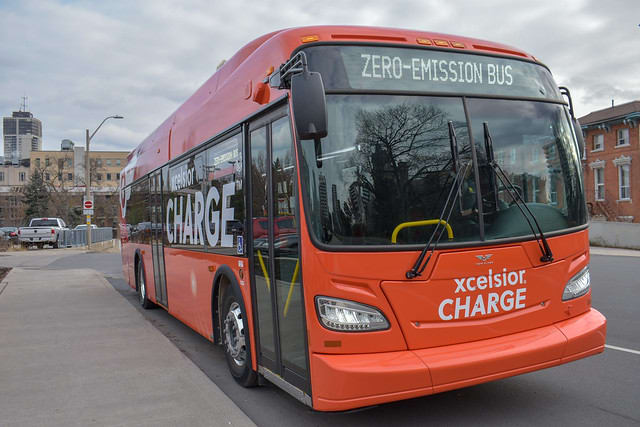
The resolution also calls for complete electrification of CTA’s bus fleet by 2040.
Photo via Joey Coleman/Flickr.
The Chicago City Council unanimously voted to establish the goal of transitioning the entire city to 100% clean, renewable energy, such as wind and solar, by 2035. Chicago becomes the largest city in the country to make this commitment, following cities like St. Louis, Madison, Wis., Atlanta, and San Francisco.
The city’s resolution was championed by the Ready For 100 Chicago Collective, a coalition consisting of several community- and state-based organizations, including Sierra Club Illinois Chapter, Chicago Youth Alliance for Climate Action, People for Community Recovery, Respiratory Health Association, The Climate Reality Project Chicago Chapter, SEIU Local 1, Citizens Utility Board, and other environmental, education, youth, labor, and justice groups across Chicago.
The recently introduced Illinois Clean Energy Jobs Act aims to move the entire state to 100% clean energy by 2050. By adopting its goal today, Chicago provides a state and national model for other communities looking to transition away from fossil fuels.
The resolution also calls for complete electrification of CTA’s bus fleet by 2040. It directs the mayor's Office Sustainability Team, in partnership with the Ready for 100 Chicago Collective and other community groups and stakeholders, to develop a community-wide transition plan by December 2020 for achieving 100% renewable electricity.
Chicago joins 118 other cities across the U.S. already committed to an equitable transition to 100 percent clean, renewable energy community-wide, including Evanston in Illinois.
More Fleet Forward

Vibe Coding: When Fleet Managers Become Software Builders
Five fleet professionals — none with programming skills — discuss how they’re using AI to build fleet solutions in-house and in a fraction of the time.
Read More →
What Fleets Want: FFC Panel to Examine the Future of the Fleet-OEM Relationship
Fleet and OEM leaders will tackle how connected vehicles, embedded telematics, and data are changing the relationship between commercial fleets and automakers.
Read More →
2026 Fleet Manager of the Year Finalists Announced
Who are the 2026 Fleet Manager of the Year finalists?
Read More →
John Rossant to Deliver Opening Keynote at 2026 Fleet Forward Conference
The CoMotion founder will draw on developments across Europe, China, the Middle East, and other international markets to identify trends that could influence how U.S. fleets plan for the coming decade.
Read More →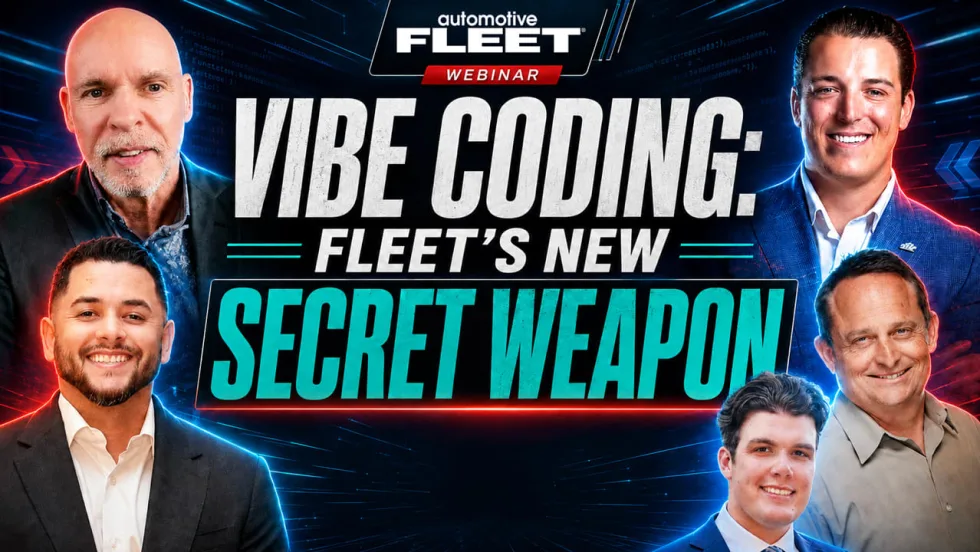
How to Build Custom Fleet Tools With AI and Vibe Coding [Webinar]
A new Automotive Fleet webinar explores how fleet managers are using AI and vibe coding to automate routine work and create simple operational tools without traditional programming skills.
Read More →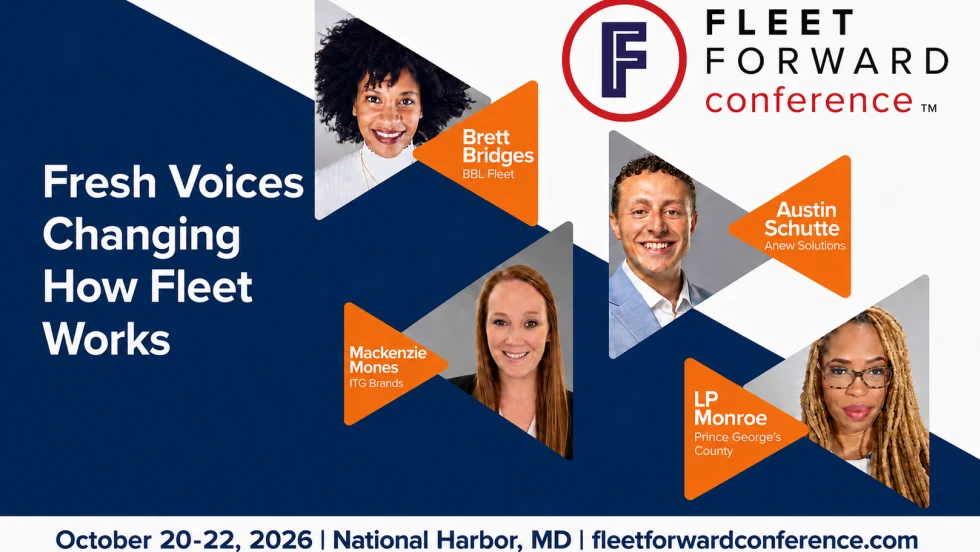
Is Fleet Ready for Its New Disruptors?
Three emerging leaders from a corporate fleet, public fleet, and the automotive supply chain will bring new ideas and a willingness to challenge industry norms to the Fleet Forward Conference stage.
Read More →
NAFA Announces 2026 Fleet Safety Symposium Education Program
Register for NAFA’s Fleet Safety Symposium and save $200 on your Fleet Forward Conference registration.
Read More →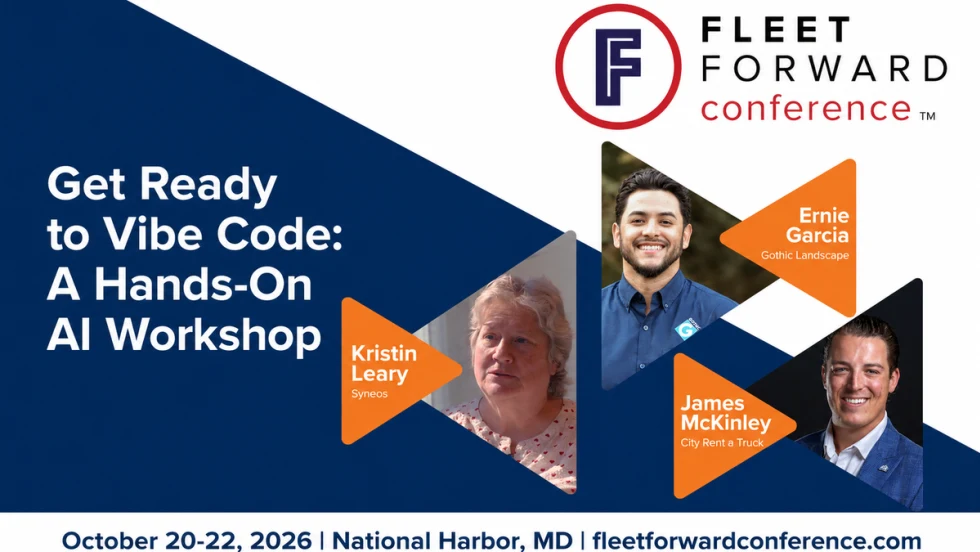
Fleet Managers Take the Lead in Hands-On AI Workshop at FFC
The fleet manager-led session will show how to use “vibe coding” to build practical fleet tools without a traditional programming background.
Read More →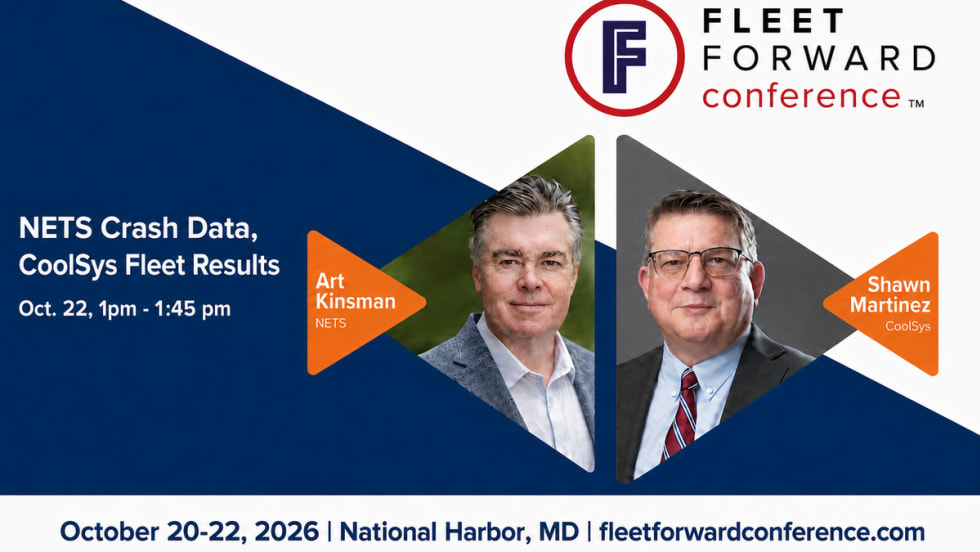
NETS Crash-Cost Data and CoolSys’ 80% Loss Reduction Take Center Stage at FFC
NETS will present findings from its latest Cost of Crashes research, then CoolSys safety leader and author Shawn Martinez will explain how the company built a safer driving culture across 3,500 employees.
Read More →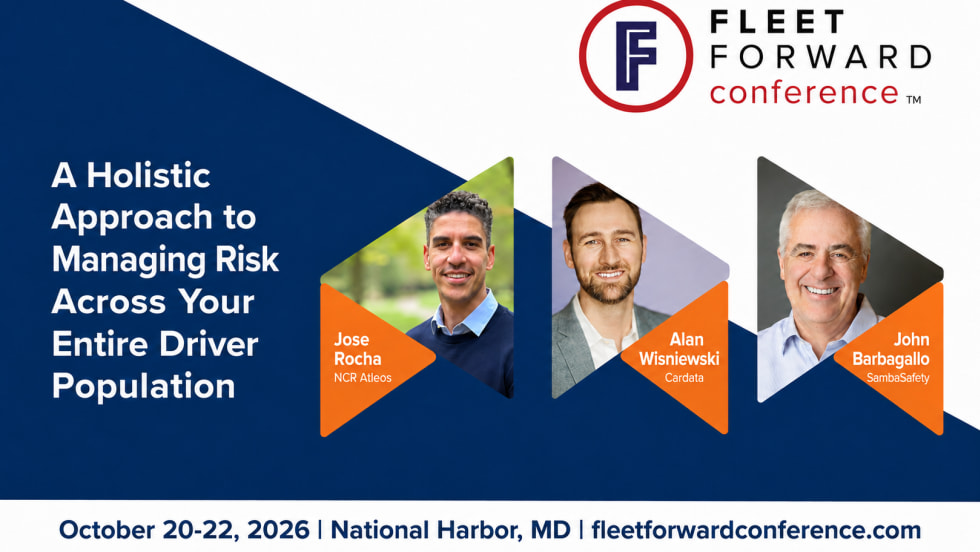
Is Your Grey Fleet Creating an Unmanaged Safety Risk?
NCR Atleos Fleet Manager Jose Rocha will join Cardata and SambaSafety experts at Fleet Forward Conference to examine how fleets can extend safety oversight to every employee who drives for business.
Read More →