




Chevrolet Streamlines Car Lineup
Chevrolet is refreshing three of its passenger cars — the Malibu, Cruze, and Spark — for the 2019 model year in an attempt to bring new buyers to the models at a time when utility vehicles have become increasingly popular.
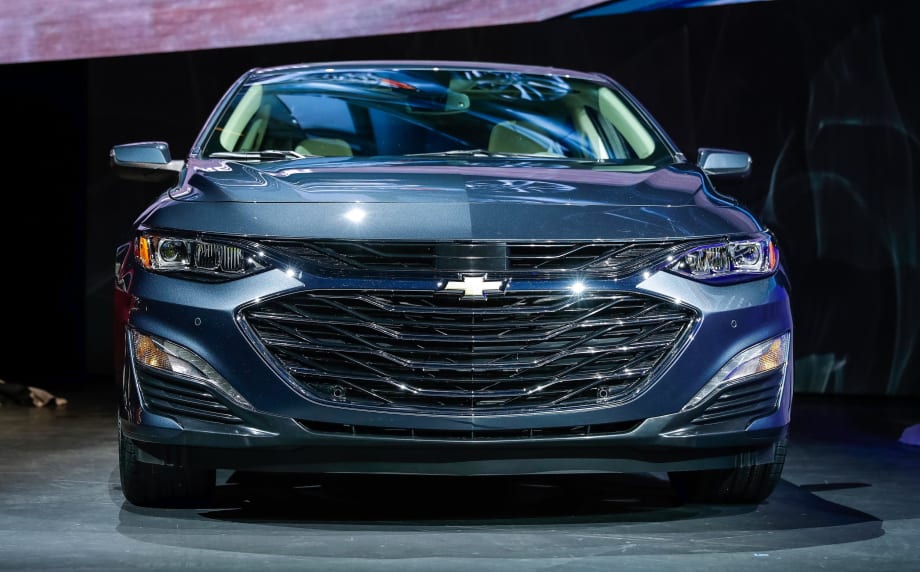
Photo of 2019 Chevrolet Malibu midsize sedan courtesy of GM.
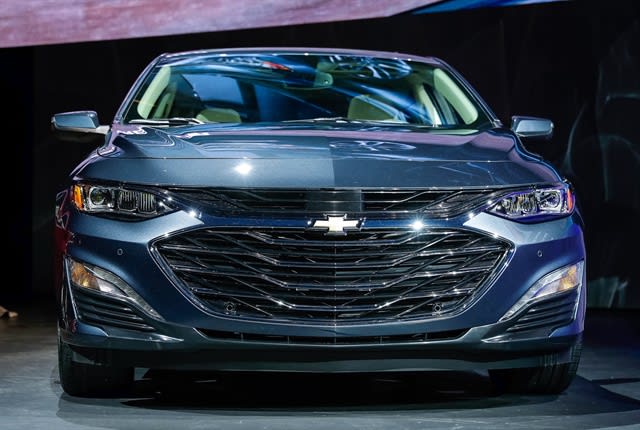
Photo of 2019 Chevrolet Malibu midsize sedan courtesy of GM.
Chevrolet is refreshing three of its passenger cars — the Malibu, Cruze, and Spark — for the 2019 model year in an attempt to bring new buyers to the models at a time when utility vehicles have become increasingly popular.
The Malibu midsize sedan is Chevrolet's top-selling fleet car and was named the 2016 Fleet Car of the Year by Automotive Fleet and Business Fleet. Chevrolet first offered the Malibu in 1964. Chevrolet has sold the Cruze compact sedan since 2008 and Spark subcompact car since 1998.
For 2019, the Malibu will add a sporty RS model with blacked-out styling, 18-inch wheels, and a dual-outlet exhaust. Other features include a continuously variable transmission (CVT) with the 1.5-liter turbocharged engine and a standard 8-inch touchscreen for the Chevrolet Infotainment 3 system. The 2019 Malibu will be available in the fall.
The Cruze will receive an updated front fascia, new interior color options, and a new infotainment system with a 7-inch color touchscreen. Options include remote start and automatic climate control, which are standard on the LT and Premier models. The Cruze Hatch adds the LS trim. The company will also continue to offer the Cruze Diesel model, said Nick Jaynes Morgan, a Chevrolet spokesman.
Chevrolet's Spark adds new front-end styling that aligns it with the Malibu and Cruze, new exterior colors, and available low speed automatic braking. The 2019 Cruze will be available in the fall, while the Spark will arrive in late summer.
General Motors plans to cease production of the Chevrolet Sonic and is considering phasing out the Chevrolet Impala amid growing public demand for sport-utility vehicles, the Wall Street Journal reported.
More Operations

Company Vehicle or Reimbursement? How Fleets Are Rethinking Assignments
As fleet costs and insurance pressures rise, fleet managers are taking a closer look at which employees need company-provided vehicles and when a reimbursement program may make more sense.

Fleetio, ASE Launch Scholarship Program for Automotive Technicians
The second annual program will award 15 scholarships totaling $35,000 to support ASE certification, testing fees, and equipment costs.

Reading the Global Signals: What AI and the Energy Transition Mean for Fleets Now
In this opening keynote of the 2026 Fleet Forward Conference, John Rossant, founder of CoMotion, How can fleet managers navigate a never-ending, changing industry landscape?

90% Use Telematics. Are Fleets Getting Safer? | AF News Recap
This week, we're breaking down which industries have the highest rates, how Jamie McKay manages 2,400 vehicles, what's happening with the 2027 fleet awards, and why software-defined vehicles could introduce new costs.

What's Best Handled by an FMC, and What's Better Done Directly?
Fleet managers continue to rely on FMCs for essential services but are taking a closer look at where working directly with suppliers can improve efficiency and responsiveness.

Fleet Meets: Erin Gilchrist
Meet Erin Gilchrist, the inaugural Mike Antich Spirit of Fleet Award winner, as she shares insights on leadership, mentorship, the power of industry connections, and why people remain at the heart of fleet's future.

How 2026 Fleet Visionary Jamie McKay Manages 2,400 Vehicles Across 37 States
How do you keep 2,400 vehicles running across 37 states? Fleet Visionary Award winner Jamie McKay shares how collaboration, flexibility, and a few simple strategies help her tackle fleet management challenges at Aptive Pest Control.

Managing Fleet Costs in an Era of Permanent Volatility
Fleet operating costs have risen more than 20% since 2020, raising a key question: When does extending a vehicle's service life stop making financial sense?

The Next Evolution of Fleet Management: Autonomous Operations
This opening keynote session at the Fleet Forward Conference highlights the future of autonomous driving for fleets.

How to Reduce the Total Cost of Risk From Catalytic Converter Theft
A stolen catalytic converter can cost fleets far more in downtime and lost productivity than in repairs. A total-cost-of-risk approach can help fleet managers quantify their exposure and prioritize theft prevention.