




CARB Votes to Transition Ride-Hailing Fleets to Zero-Emissions by 2030
California Air Resources Board’s new standard mandates that 90% of ride-hailing miles traveled in California take place in zero-emission vehicles by 2030. Uber and Lyft want government help for the transition.

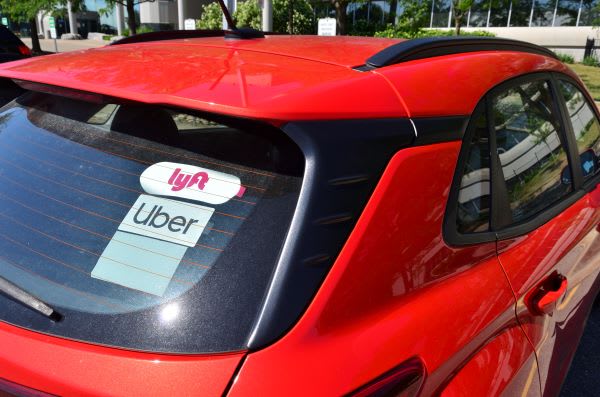
Last year, Uber pledged to invest $800 million through 2025 to help their drivers make the switch, though the actual cost is estimated to be more than double that.
Photo via Wikimedia/Raysonho.
The California Air Resources Board (CARB) voted on May 20 to approve the nation’s first standard to transition ride-hailing fleets to zero-emission vehicles by 2030. The Clean Miles Standard dictates that by 2030 ride-hailing companies such as Uber and Lyft should produce zero greenhouse gas emissions and ensure that 90% of their vehicle miles are fully electric.
Uber and Lyft had already announced last summer that they would transition entirely to electric vehicles in North America and Europe by 2030. In written comments to CARB before Thursday's vote, the ride-hailing giants said they supported the regulation's goals. However, they called for government subsidies to help fund their drivers’ transition to EVs and charging infrastructure, citing the financial burden on their lower and middle-income drivers.
CARB board member Nathan Fletcher expressed concern that the rule doesn’t ensure that ride-hailing companies bear the costs to address the greenhouse gases they’re creating.
The Union of Concerned Scientists (UCS) agrees. “Ride-hailing companies have not delivered on their promise of a future with fewer cars and lower pollution. Instead, ride-hailing services in urban areas have increased pollution and congestion and reduced climate-friendly, public-transit ridership,” said Elizabeth Irvin, a senior transportation analyst at UCS, in a statement.
UCS points to numerous studies showing that the growth of Uber and Lyft has siphoned riders away from public transit and other climate-friendly forms of transportation and increased air pollution in U.S. cities. Surveys of California riders, for example, indicate that 24% of non-pooled rides and 36% of pooled trips would have been taken via mass transit, walking or biking, or not taken at all.
And, according to a 2020 UCS analysis, ride-hailing trips are 69% more polluting than the trips they replace, and a non-pooled Uber or Lyft ride is 47% more polluting than a private car trip.
Irvin cited California’s ballot measure last year that considered whether ride-hailing drivers are considered employees as opposed to contractors — which Uber and Lyft spent over $100 million to defeat.
“That’s why it is so essential that regulators at CARB and the California Public Utilities Commission requires the companies, not their drivers, shoulder the upfront cost of transitioning to electric vehicles and ensure that drivers enjoy the benefits of driving cars that are less expensive to operate and maintain,” she said.
Last year, Uber pledged to invest $800 million through 2025 to help their drivers make the switch, though the actual cost is estimated to be more than double that.
CARB is offering California drivers will provide drivers with various incentives such as the Clean Vehicle Rebate Project, though funding is now only available to select low-income groups. the Clean Fuels Reward offers a time-of-sale credit of up to $1,500.
More Fleet Forward

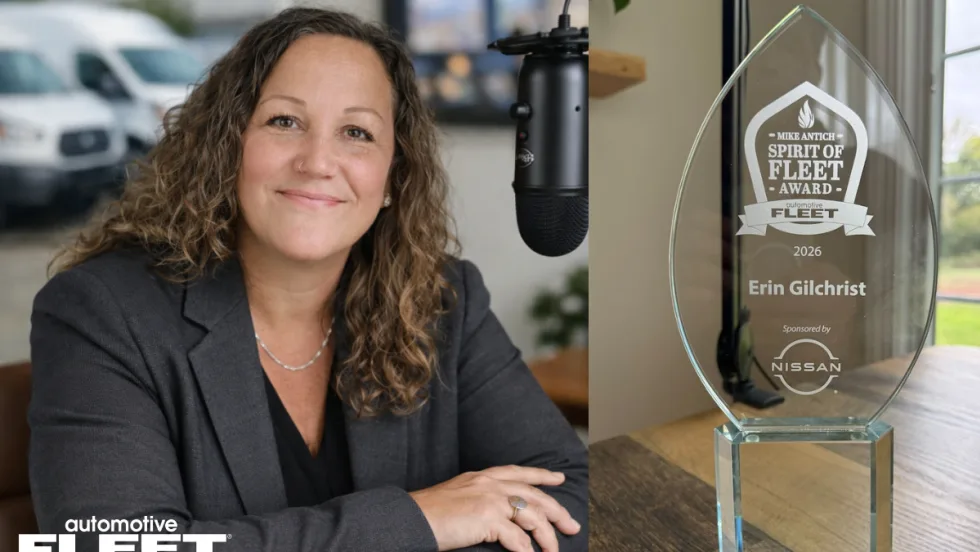
Erin Gilchrist Receives Mike Antich Spirit of Fleet Award
Last week at AFLA in Vegas, Erin Gilchrist received the inaugural, brand-new Spirit of Fleet Award.
Read More →
Dominika Leja Named the 2026 Fleet Manager of the Year
The AstraZeneca associate director of fleet was recognized for her leadership in fleet electrification, cost savings, and operational transformation.
Read More →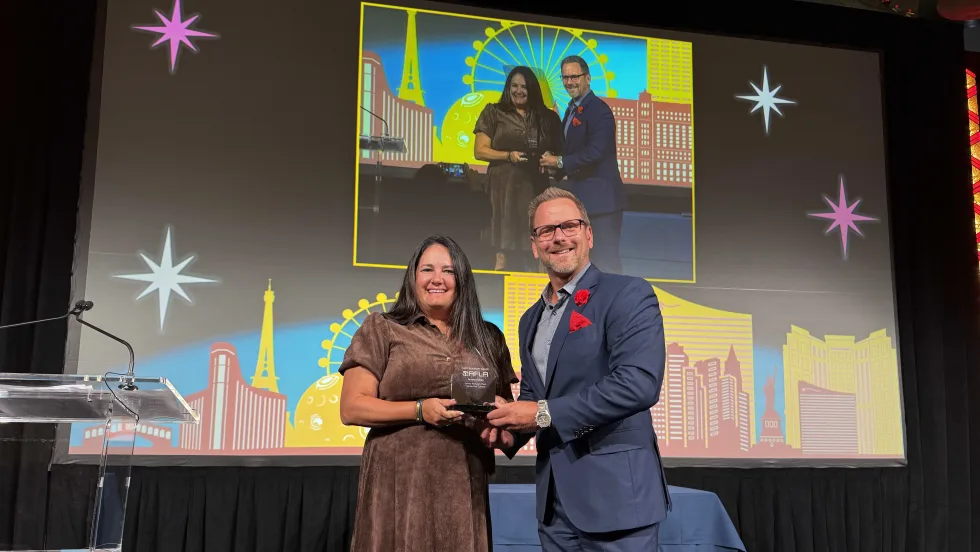
Jamie McKay Named the 2026 Fleet Visionary Award Winner
The Aptive Pest Control fleet manager was recognized for her approach to operations, data, lifecycle management, and driver needs.
Read More →
Fleet Forward Conference Introduces One-Day Passes for 2026
New one-day registration gives fleet professionals the flexibility to attend Tuesday, Wednesday, or Thursday, with passes available for $199 through Sept. 18.
Read More →
Vibe Coding: When Fleet Managers Become Software Builders
Five fleet professionals — none with programming skills — discuss how they’re using AI to build fleet solutions in-house and in a fraction of the time.
Read More →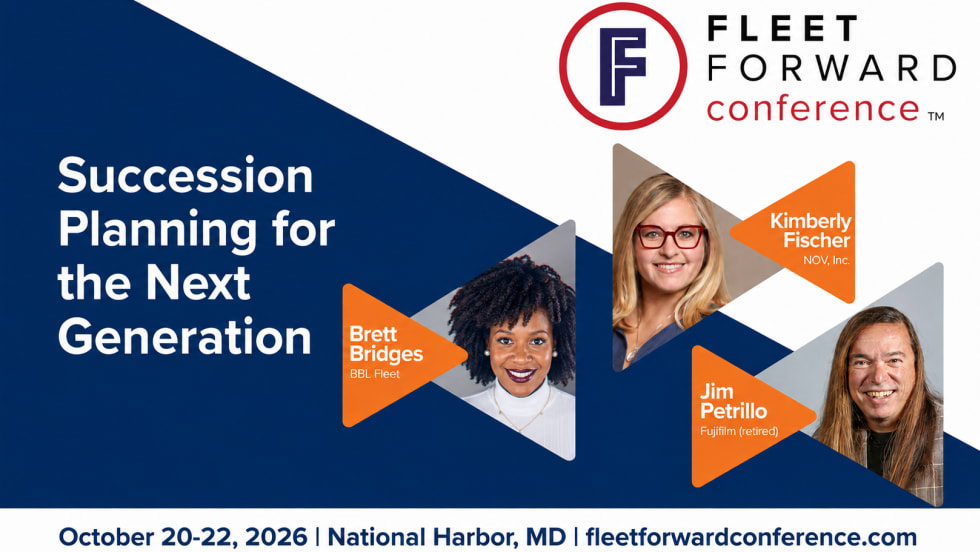
Fleet Forward Conference Tackles Fleet Industry’s Growing Leadership Gap
This session will examine succession planning, knowledge transfer, and the skills the next generation of fleet leaders will need as veteran professionals leave the industry.
Read More →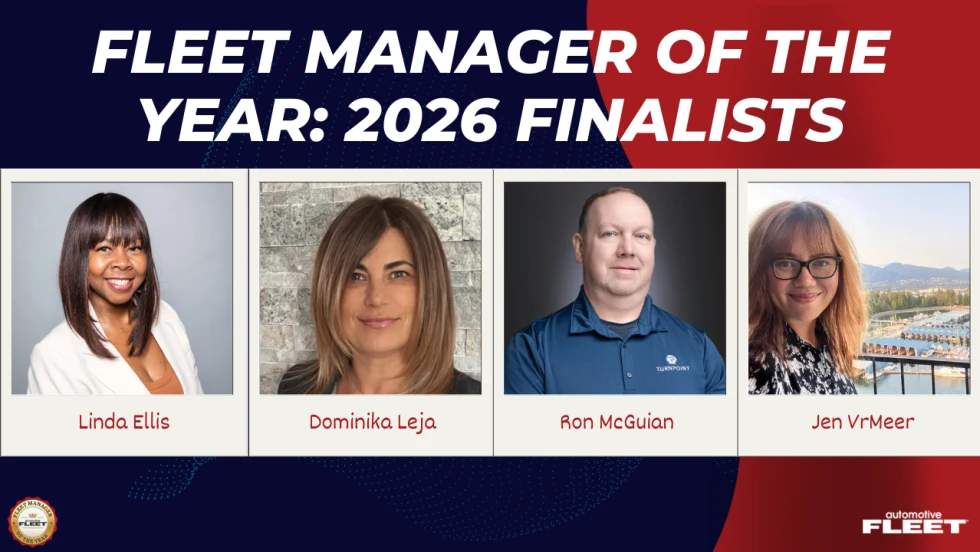
2026 Fleet Manager of the Year Finalists Announced
Who are the 2026 Fleet Manager of the Year finalists?
Read More →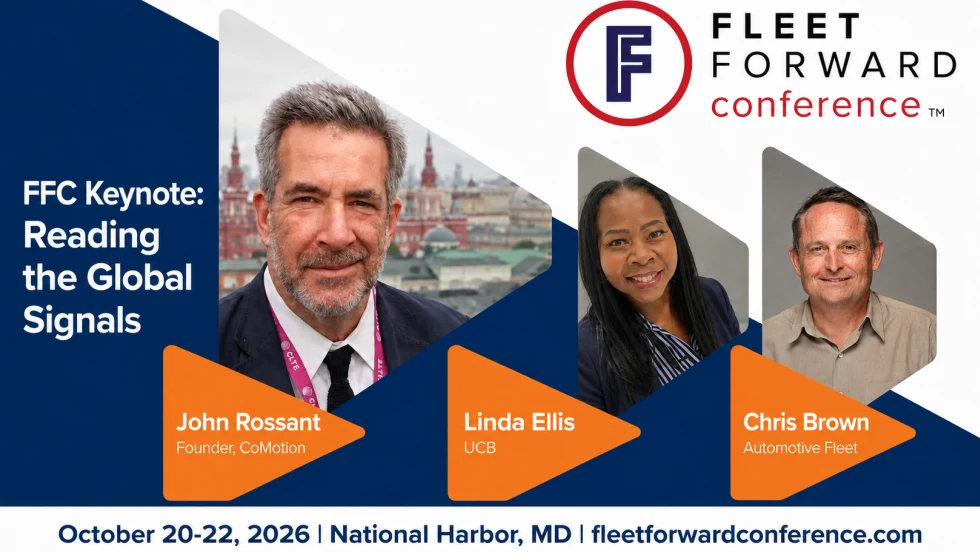
John Rossant to Deliver Opening Keynote at 2026 Fleet Forward Conference
The CoMotion founder will draw on developments across Europe, China, the Middle East, and other international markets to identify trends that could influence how U.S. fleets plan for the coming decade.
Read More →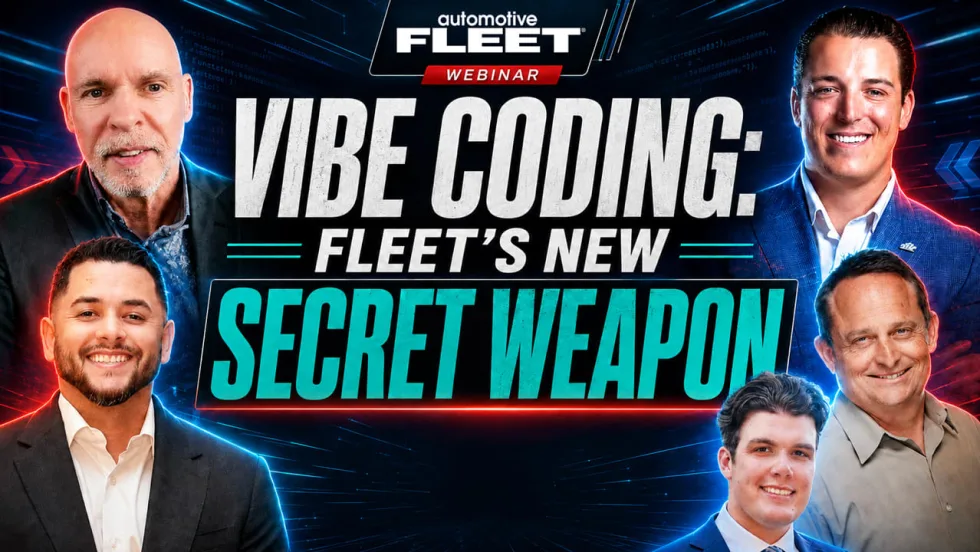
How to Build Custom Fleet Tools With AI and Vibe Coding [Webinar]
A new Automotive Fleet webinar explores how fleet managers are using AI and vibe coding to automate routine work and create simple operational tools without traditional programming skills.
Read More →