





Read On: BMW Bets on Powertrain Diversity: X5 to Offer Battery, Hybrid, Gas, Diesel, and Hydrogen
Can Bailment Pools Be Made Faster and Smarter?
Work Truck Solutions’ pilot program reveals path to greater efficiency across the fleet ecosystem.
October 2, 2025
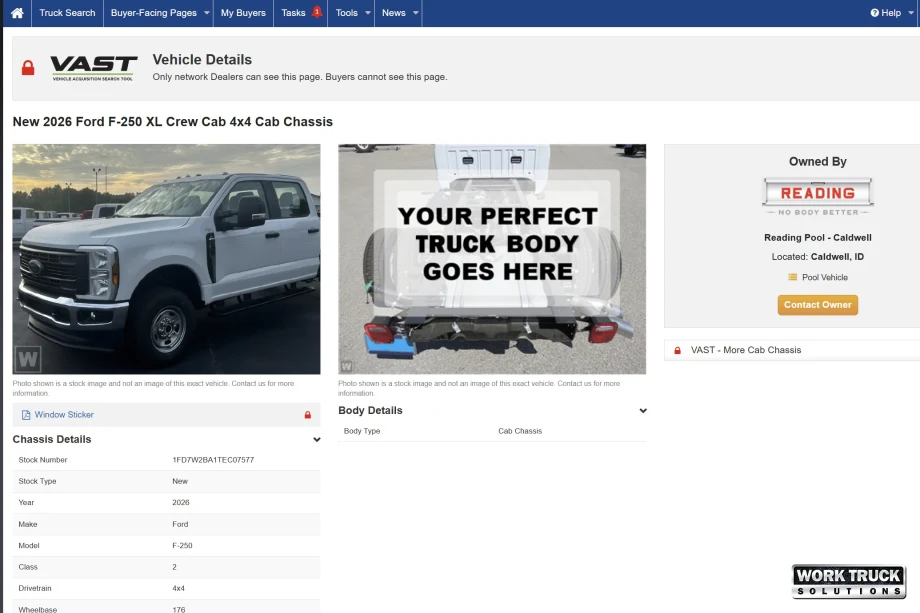
Work Truck Solutions announced the results of a pilot to streamline the commercial vehicle bailment pool process. Initial results suggest the ability to reduce re-assignment-to-sale by months.
Image: Work Truck Solutions / Automotive Fleet
4 min to read
Work Truck Solutions announced the successful completion of the initial phase of a program designed to enhance the efficiency and transparency of the commercial vehicle bailment pool process for the entire supply chain. The Bailment Pool Pilot involved one major OEM, three leading upfitters, and a select group of dealerships to improve visibility, transparency, and days-to-turn for commercial inventory.
Bailment pools explained:
OEMs utilize bailment pools to provide upfitters with access to their inventory of chassis and vans, which they then prepare at the upfitters' locations for modification. Using the bailment pool approach, OEMs retain ownership of the vehicles, and upfitters may pay flooring fees to have the inventory immediately available for upfit orders. Once a dealership places an order for a specific vehicle configuration, the OEM reassigns ownership of that vehicle to the dealership, which then has a predetermined timeline to sell the car before having to purchase it themselves.
The problem:
Historically, there has been a lack of transparency regarding the availability, configuration, and status of OEM bailment pool vehicles offered by upfitters at any given time.
OEMs know which chassis have been assigned to which upfitters, but they do not have insight into what bodies or modifications will be made to the chassis. OEMs do not have a means to track that information, nor the details of the final sale of the chassis.
Upfitters typically share their inventory information with prospective dealership buyers via weekly spreadsheets. Still, this data quickly becomes outdated as vehicles are reassigned to another dealership that has ordered them from that pool.
Dealerships lack an efficient way to search for upfitter pool inventory or view the status of their orders. This lack of transparency means they cannot market the inventory until they have the finished vehicles on their lot.
Due to the current nature of the process, it is possible for the entire transaction, from an OEM assigning a chassis to an upfitter, to the finished commercial vehicle being sold to an end buyer, to take up to 12 months.
The solution:
This lack of visibility into the bailment pool inventory was a key challenge that the Work Truck Solutions pilot was designed to address. By providing all parties—dealers, upfitters, and OEMs—with access to current information about available pool inventory and orders in progress, the overall vehicle ordering and completion process can be streamlined. This detailed information, built on the foundation of the VAST (Vehicle Acquisition Search Tool) network, reduces time from initial assignment to final sale.
"As a result of the pilot stage of the program, we've been able to identify key areas where we can enhance the commercial vehicle upfit and ordering process for our dealership partners, which will also provide value to both OEMs and upfitters," said Kathryn Schifferle, founder and Chief Vision Officer at Work Truck Solutions.
"By providing commercial vehicle dealers with better visibility of and access to pool inventory, we help reduce the overall days it takes to turn cab chassis and vans into the finished vehicle, which improves the overall customer experience."
By integrating and standardizing data feeds from upfitters, dealerships can order and display on-order vehicles on their websites, which in turn enables customers to shop for and acquire cars while they are in production, expediting the overall process.
"As a leading truck body manufacturer and full-service upfitter with 26 locations, we have been focused on building innovative trucks with an emphasis on safety and reliability for over 65 years," Reading Truck Vice President of Sales and Business Development Eric McNally commented. "We have always been dedicated to finding ways to serve our dealership partners better, so we were excited to participate in this bailment pool pilot to explore how to deliver more value in the overall process. Although still early, we have received excellent feedback from our dealer partners with several successfully selling trucks that were still in our shops being upfitted."
"The insights we gained confirmed the value in expanding the program, and we are now starting to bring these benefits to a wider network of upfitters and dealerships, along with their customers," added Schifferle. "We have the green light from all three domestic commercial OEMs to work with their pool holders and have started the outreach with specifics on how to leverage this new technology for their benefit. We're excited to continue working with our partners to drive innovation and efficiency throughout the commercial vehicle supply chain."
More Operations
Here's When You Should Make an Exception to Fleet Policy
Fleet policies are designed to create consistency, but not every driver or situation fits neatly within standard rules.
Read More →
AI-Native or AI-Acquired: What Should Fleet Managers Look for in an AI Platform?
Six questions can help fleet managers look beyond AI marketing claims to evaluate integration, data access, and real-world operational performance.
Read More →
Sponsored•October 14, 2026
A buyer's guide to fleet management software in 2027
Buying fleet management software in 2027 means looking beyond features and price. As fleet operations, technology and expectations evolve, this guide explores what today’s fleet professionals should consider when choosing a system that can deliver value now and adapt to what comes next.
Read More →

What Will Shape the Next Era of Fleet Management?
EVs, AI, and autonomous vehicles are reshaping fleet management. Discover what’s ahead—and how fleet leaders can prepare for the next era.
Read More →
How Fleets Can Recruit and Train Veterans for Technician Roles
Here's how the technician shortage has affected uptime for fleets, and what to do about it.
Read More →
Avis Budget Group Deploys Neology Toll Management Technology Across Major Brands
Neology’s neoFleet platform will manage toll transactions and toll-authority operations for vehicles across Avis, Budget, Payless, Budget Truck and Zipcar.
Read More →
Fleet Personal-Use Charges Edge Higher in 2026
Nearly eight in 10 surveyed fleets allow personal use of company vehicles, while just over half of respondents report charging employees for the privilege.
Read More →
The Future of Fleet + What’s Changing Right Now | AF News Recap
Could developments overseas offer a preview of what’s coming for U.S. fleets? This week, we’re looking at the future of AI, autonomy, and electrification, plus Ford Pro’s new certified pre-owned program, smarter vehicle offboarding, and a new way for fleets to manage toll expenses.
Read More →
How to Handle Vehicle Offboarding
What do fleet managers need to do when a driver leaves?
Read More →
Sponsored•October 1, 2026
Fleet Manager’s Ultimate Playbook: Navigating the New Standard in OEM Connectivity
Rising operating costs, driver safety concerns, and unplanned downtime are putting unprecedented pressure on modern fleets. Discover how fleet managers use embedded OEM connectivity and real-time vehicle data to cut TCO, prevent downtime, and protect drivers without aftermarket telematics hardware.
Read More →