




BMW Releases M5 Details
MUNICH - BMW improved fuel economy in this new model by 30 percent over the previous model. The 2012-MY M5 offers 28.5 MPG.
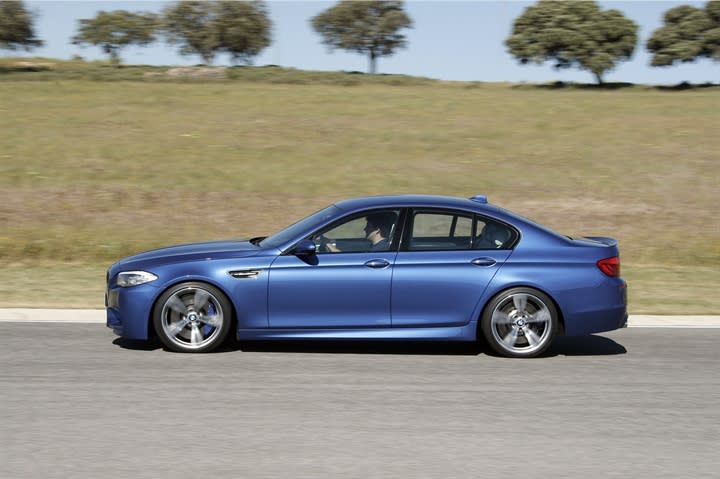
MUNICH – Although you don’t see too many M5s in commercial fleets, there are a few out there. First off, BMW improved fuel economy in this new model by 30 percent over the previous model. The 2012-MY M5 offers 28.5 MPG.
Performance and Handling
The new 2012-MY M5 features a 4.4L V-8 engine with the automaker’s M TwinPower Turbo package, which features the automaker’s Twin Scroll Twin Turbo, cross-bank exhaust manifold, High Precision Injection direct injection and Valvetronic variable valve control. The engine can produce up to 502 lb.-ft. of torque, and 560 hp at 6,000 – 7,000 RPM. The driver can configure two different driving setups and switch between them using the vehicle’s M Drive buttons on the steering wheel. According to BMW, the driver can use a button on the center console to adjust the engine’s performance characteristics. Modes available include Efficient, Sport, and Sport Plus.
The automaker said the vehicle has Auto Start-Stop functionality that works with the seven-speed M Double Clutch Transmission. Chassis upgrades include electronically controlled dampers, M-specific Servotronic steering, Dynamic Stability Control for improved handling with the automaker’s M Dynamic Mode, and high-performance compound brakes.
Interior
The M5’s interior features a leather-covered center console, M sport seats, and an instrument cluster in black-panel technology. Standard interior features include Merino leather upholstery, four-zone automatic climate control, and ambient light, among various interior trim touches.
Some of the optional vehicle connectivity features available via the company’s ConnectedDrive system include Internet usage, extended integration of smartphones and music players, real-time traffic information, and apps for receiving Web Radio and using Facebook and Twitter.

Safety
The M5 features a number of driver assistance systems, available via the automaker’s ConnectdDrive system. The automaker said these features include M-specific Head-Up Display (standard), Adaptive Headlights for standard xenon light, High-Beam Assistant, BMW Night Vision with pedestrian recognition, Lane Change Warning System, Lane Departure Warning System, Surround View, and Speed Limit Info.
Options
The automaker said almost all of its BMW 5 Series Saloon equipment options are available, including Comfort Access, M multifunction seats, active seats, doors with Soft Close Automatic function, hands-free tailgate opening, electric glass roof, and trailer coupling.
More Operations
How to Manage Conflict for Your Fleet Operations
Conflict management is becoming a core leadership skill. Here are five strategies fleet leaders should know.
Read More →
Turning Connected Vehicle Data Into Decisions That Matter
Fleet leaders have more data than ever, but turning that data into clear, actionable decisions remains a challenge. This white paper shows how leading organizations are using connected vehicle data to improve safety, reduce costs, and optimize fleet performance. Learn how to turn insight into action across your fleet.
Read More →
Cameras, Safety and Insurance: From Reactive Claims to Real-time Prevention
Commercial auto remains one of the most challenging and costly lines of coverage for fleet operators and insurers alike. Learn more about how to effectively address these issues from Onur Aksan, Enterprise Business Development Executive, Geotab.
Read More →

Are You Tracking Your Fleet's True Total Cost of Ownership?
Bobit Business Media surveyed 190 fleet professionals and found that while most fleets are tracking costs, fragmented systems and data gaps are keeping true TCO visibility out of reach. With rising pressure to control spend in an increasingly volatile environment, the gap between what fleets think they know and what the data actually shows is wider than you might expect. See how your peers are managing costs today and where the industry still has room to improve.
Read More →
Turn Fleet Data Into Smarter Decisions
Fleet leaders have access to more operational data than ever, but disconnected systems and unclear metrics often slow decision-making instead of improving it. This article outlines five practical steps fleets can take to transform fragmented data into actionable insights that improve planning, safety, utilization, and long-term performance.
Read More →
Hybrids: Electrification Without the Challenges
For fleet managers, fuel is one of the biggest line items in the budget — and it's one hybrids can shrink without changing how your people work. Download the eBook to see the numbers, understand the technology, and get a step-by-step guide to making the switch.
Read More →
How NOV Uses Telematics to Improve Fleet Safety Across 160 Locations
James Victory of NOV discusses how the company manages fleet safety, maintenance, and telematics across more than 150 locations supporting oilfield operations throughout the U.S.
Read More →
Fleet Meets: Steven Santostasi
This edition of the Fleet Meets series features Steven Santostasi, the current TSP channel manager for Ford Pro.
Read More →
Why Fleet Managers Are Replacing Departmental Vehicles with Shared Motor Pools
Departmentally assigned vehicles often create hidden costs through underutilization, poor visibility, and increased administrative burden. This white paper explores how shared motor pool strategies help fleets reduce costs, improve accountability, and optimize vehicle utilization.
Read More →
Soap Box Derby Challenge: Assembling the Crew
Meet Gabriel, Matthew, and Angel — the team helping bring this soap box derby build to life.
Read More →