




Autonomous Vehicle Startups Seek Partners to Survive Early Development Phase
Apple acquired Drive.ai just as it was about to cease operations. The buyout reveals the high stakes in a market that is taking longer to put autonomous vehicles on the road than initially planned.
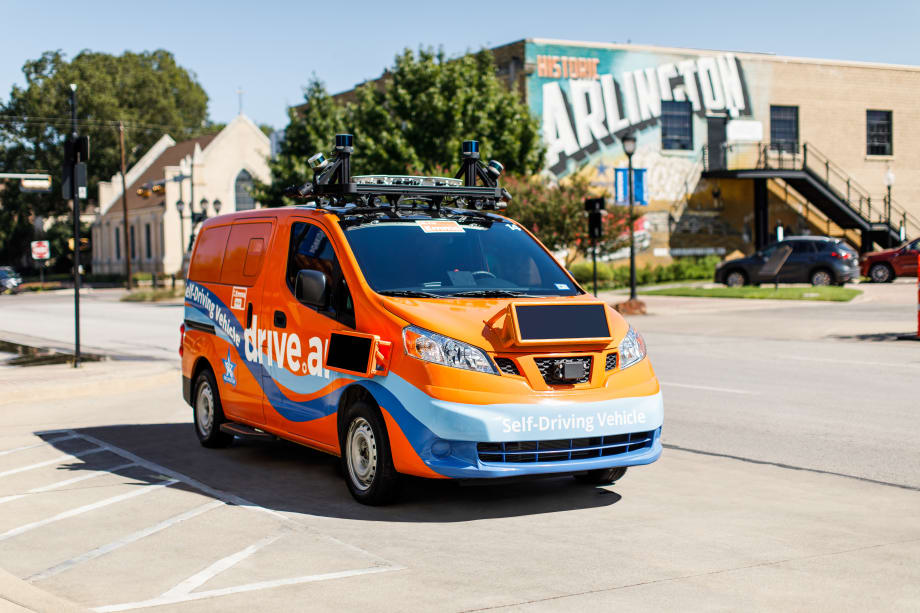
Autonomous vehicle startup Drive.ai had started its pilot project in Arlington, Texas, in self-driving Nissan NV200 shuttles.
Photo courtesy of Drive.ai.
Observers following the autonomous vehicle market are seeing an impressive list of startups join hands with global automakers and technology giants. These startup technology suppliers are bringing necessities to the table — LiDAR sensors, deep learning safety features, fully automated test vehicles, software systems, mapping platforms, and more.
The stakes are quite high for startups to see their offerings deployed in AVs while surviving this pivotal and costly first phase.
Drive.ai, a startup founded in 2015 by machine learning researchers from Stanford University, was relieved to have Apple step in last month and keep its shutters from being permanently closed. That startup had been running a ride-hailing service with its shuttle vans in Texas, and had earned a $200 million valuation. The company had started its pilot project in Arlington in self-driving Nissan NV200 shuttles.
Drive.ai’s service received funding from the City of Arlington and the U.S. federal government, and was initially scheduled to run through October 2019. This funding, along with private equity investments, wasn’t enough for the Mountain View, Calif.-based startup to continue. Drive.ai filed notice with a California agency that it would be laying off 90 employees and closing permanently.
With Apple stepping in, Drive.ai will stay in business. Its engineers are expected to be working closely with Apple’s team on the secretive Project Titan electric AVs.
Drive.ai isn’t the only AV startup that has found deep-pocket backers with full-scale deployment years away. The timeline for Level 5 fully autonomous vehicles making it to factory production lines and delivery to end users beyond small test fleets remains unclear. The U.S. Department of Transportation is encouraging states to keep their regulatory testing and development initiatives rolling along so that safe, predictable self-driving cars can share roads with millions of human-driven vehicles — and eventually become the dominant vehicle technology.
California, which is considered to be leading the way, has been adding testing guidelines for additional transportation scenarios such as truck platooning and autonomous ride services.
Waymo was just given a permit by the state’s Public Utilities Commission to participate in an AV passenger service pilot program. Riders may not be charged, and one additional passenger, provided by Waymo, will be accompanying each trip to take over the vehicle in the event of an emergency. Waymo may be bringing an autonomous ride service to California, just as its been testing out in Arizona.
Yet California, like the other states, has yet to clarify when AVs will be granted permission to access its streets beyond test rides and limited shared ride pilot projects.
Several of these AV startups have forged impressive strategic alliances, with Waymo adding Nissan Renault Alliance to its list; Ford’s $1 billion investment in Argo AI earlier this year; the BMW-Intel-Mobileye alliance preparing to launch its AVs in 2021; and General Motors’ acquisition of Cruise America, with its GM Cruise division trailing right behind Waymo in the number of self-driving test vehicle miles accrued in California.
Other startups have enjoyed billions of investment dollars coming from Silicon Valley, Wall Street, and China, in particular. Some of these startup technology innovators have scaled back their timelines, informing partners about technical hurdles that have to be overcome.
Tech market analyst CB Insights last fall reported 46 companies have launched substantial AV development projects with plans to roll out these vehicles in the near future. That list includes major OEMS and key supplier partners such as Continental AG and Bosch; thriving Chinese companies like ride-hailing firm Didi Chuxing, telecommunication company Huawei, and internet giant Baidu; Silicon Valley giants Alphabet, Amazon, Apple, and Microsoft; and major heavy-duty truck builders and suppliers forging ahead in the truck platooning segment.
More startups are expected to end up like Drive.ai, and join ranks with other recognized startups who’d already secured their stability by partnering with major investors. That list includes Cruise Automation, Boston-based Autonomy, and Intel’s Israeli subsidiary, Mobileye.
While some companies like Tesla are attempting to launch AVs developed by in-house engineers, most majors are looking for solid alliances with experts in the field. For now, that will continue on as a timid and gradual approach. It’s expected to remain that way through the year. Startups will need to have capital firmly in place to pay employee salaries, continue test projects, and make payments to banks and other financial institutions.
"While we remain constructive on the long-term development of autonomous vehicles, we acknowledge that momentum in the space has slowed considerably this year," Morgan Stanley analyst Adam Jonas said in a report to clients.
More Fleet Forward
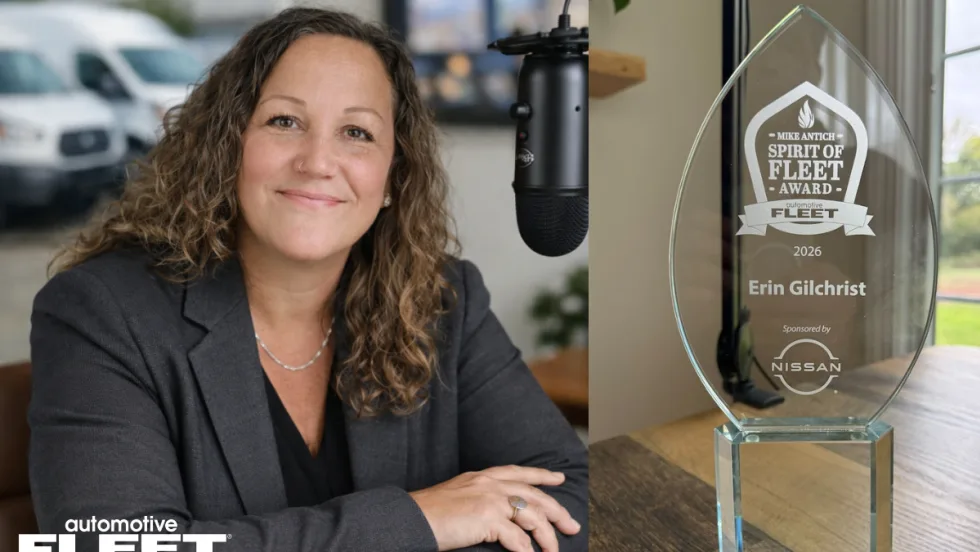
Erin Gilchrist Receives Mike Antich Spirit of Fleet Award
Last week at AFLA in Vegas, Erin Gilchrist received the inaugural, brand-new Spirit of Fleet Award.
Read More →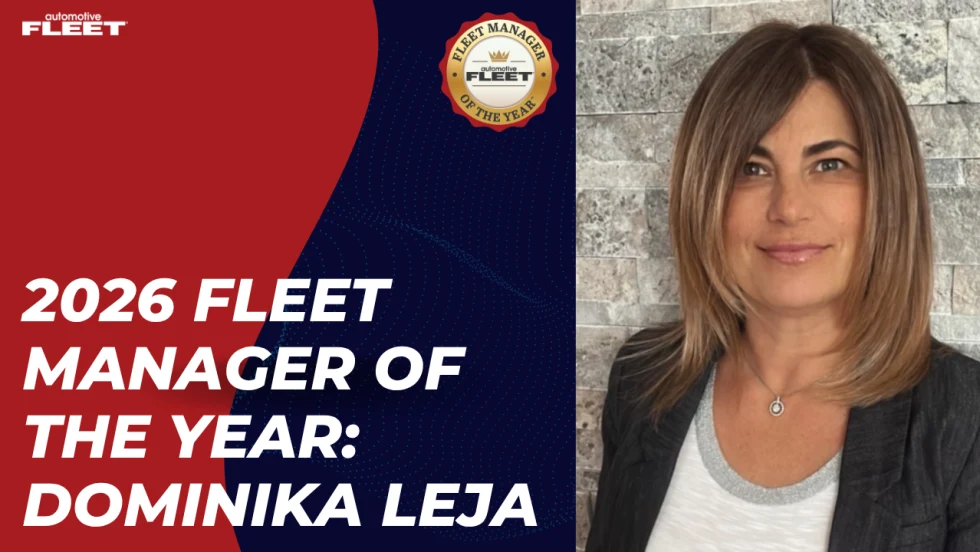
Dominika Leja Named the 2026 Fleet Manager of the Year
The AstraZeneca associate director of fleet was recognized for her leadership in fleet electrification, cost savings, and operational transformation.
Read More →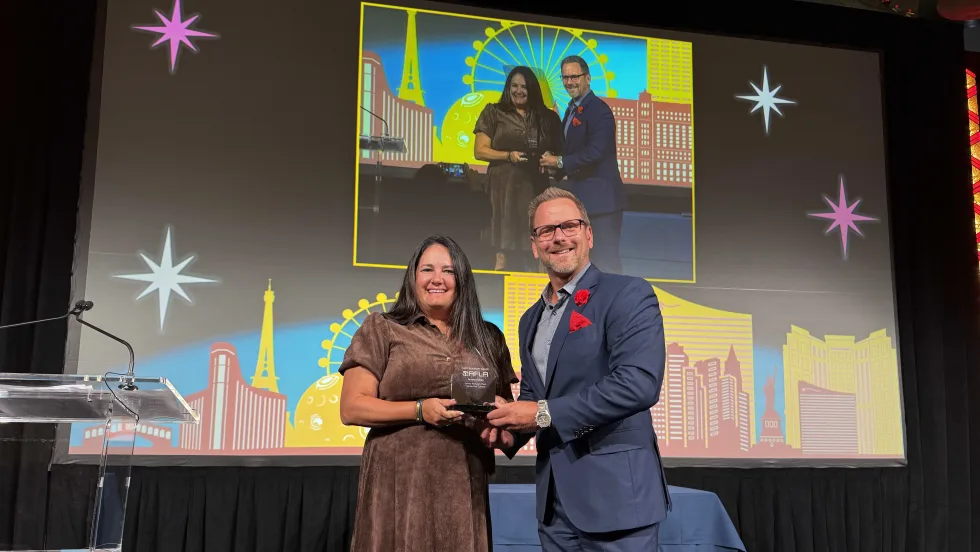
Jamie McKay Named the 2026 Fleet Visionary Award Winner
The Aptive Pest Control fleet manager was recognized for her approach to operations, data, lifecycle management, and driver needs.
Read More →
Fleet Forward Conference Introduces One-Day Passes for 2026
New one-day registration gives fleet professionals the flexibility to attend Tuesday, Wednesday, or Thursday, with passes available for $199 through Sept. 18.
Read More →
Vibe Coding: When Fleet Managers Become Software Builders
Five fleet professionals — none with programming skills — discuss how they’re using AI to build fleet solutions in-house and in a fraction of the time.
Read More →
Fleet Forward Conference Tackles Fleet Industry’s Growing Leadership Gap
This session will examine succession planning, knowledge transfer, and the skills the next generation of fleet leaders will need as veteran professionals leave the industry.
Read More →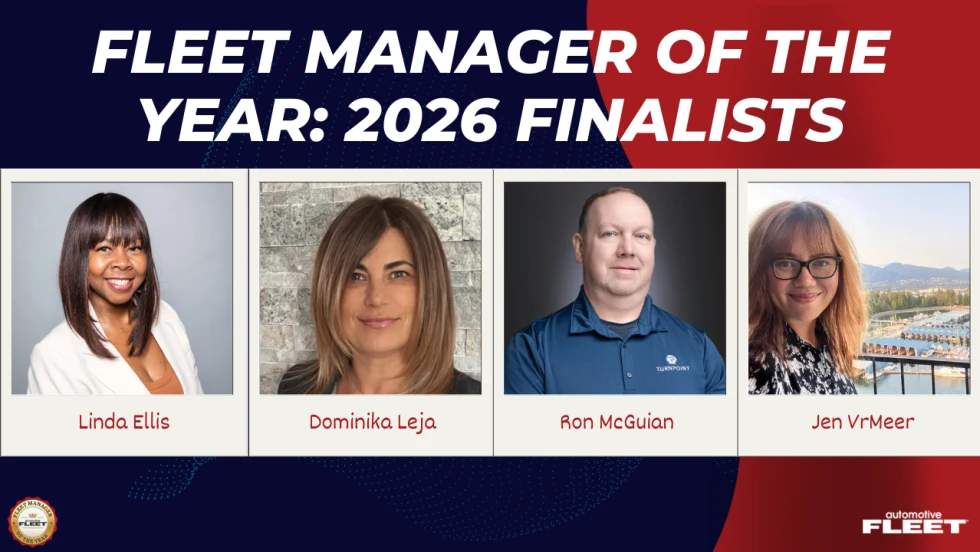
2026 Fleet Manager of the Year Finalists Announced
Who are the 2026 Fleet Manager of the Year finalists?
Read More →
John Rossant to Deliver Opening Keynote at 2026 Fleet Forward Conference
The CoMotion founder will draw on developments across Europe, China, the Middle East, and other international markets to identify trends that could influence how U.S. fleets plan for the coming decade.
Read More →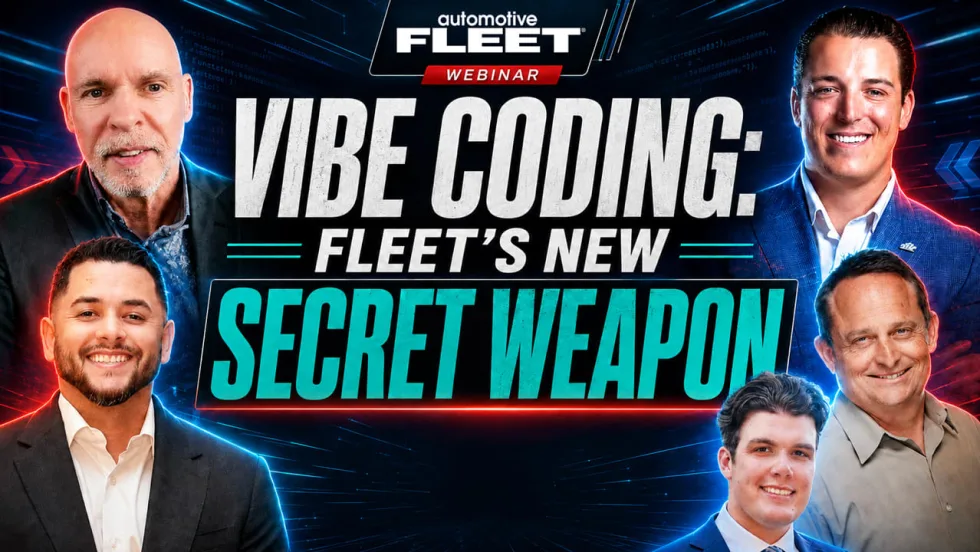
How to Build Custom Fleet Tools With AI and Vibe Coding [Webinar]
A new Automotive Fleet webinar explores how fleet managers are using AI and vibe coding to automate routine work and create simple operational tools without traditional programming skills.
Read More →