




Audi Receives First Autonomous Driving Permit in Calif.
Audi was the first automaker to receive a permit in California, after new laws governing the process for autonomous driving went into effect on Tuesday, Audi announced.
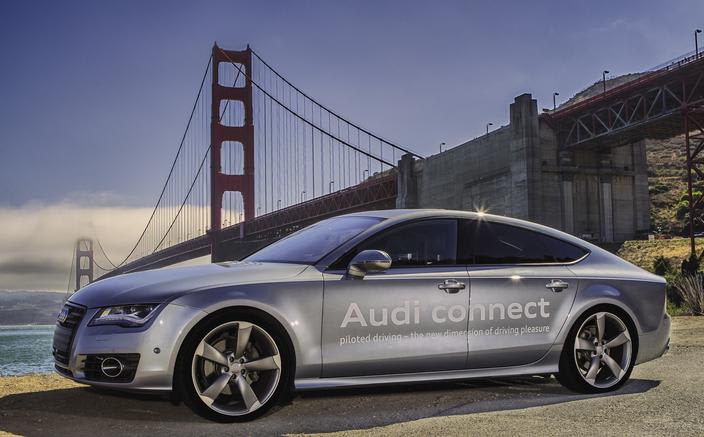
Photo courtesy of Audi
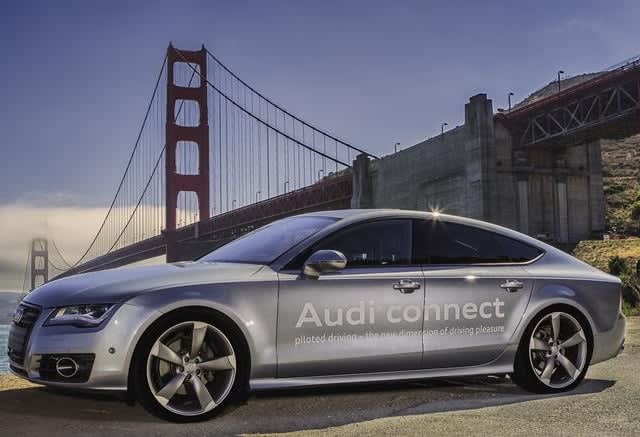
Photo courtesy of Audi
Audi was the first automaker to receive a permit in California, after new laws governing the process for autonomous driving went into effect on Tuesday, Audi announced.
Audi was also the first company granted a permit in Nevada as well as the first to test on Florida’s “connected car” expressway.
The automaker has conducted thousands of miles of self-driving car research already in Europe and various U.S. states where testing is currently permitted. Audi hopes to have the technology ready for consumer introduction in the next five years.
California is the home to Audi’s Electronics Research Lab (ERL). Researchers at the lab test a wide range of automated driving issues, including human-machine interface prompts that indicate when the human or the vehicle are handling driving functions.
In 2012, Gov. Jerry Brown signed new testing guidelines for technologies like Audi Piloted driving. The new regulations require companies to have insurance worth $5 million per car to test on the state’s roads.
Although Audi is the first to get its permit in the state, Mercedes, Toyota, Ford and General Motors are also testing autonomous cars.
More Operations

How 2026 Fleet Visionary Jamie McKay Manages 2,400 Vehicles Across 37 States
How do you keep 2,400 vehicles running across 37 states? Fleet Visionary Award winner Jamie McKay shares how collaboration, flexibility, and a few simple strategies help her tackle fleet management challenges at Aptive Pest Control.
Read More →
Managing Fleet Costs in an Era of Permanent Volatility
Fleet operating costs have risen more than 20% since 2020, raising a key question: When does extending a vehicle's service life stop making financial sense?
Read More →
The Next Evolution of Fleet Management: Autonomous Operations
This opening keynote session at the Fleet Forward Conference highlights the future of autonomous driving for fleets.
Read More →

How to Reduce the Total Cost of Risk From Catalytic Converter Theft
A stolen catalytic converter can cost fleets far more in downtime and lost productivity than in repairs. A total-cost-of-risk approach can help fleet managers quantify their exposure and prioritize theft prevention.
Read More →
Personal-Use Charges Rise as Vehicle Values Fall | AF News Recap
Personal-use charges are climbing, wholesale used-vehicle values are declining, and commercial fleet sales growth is slowing. This week, we're breaking down the latest fleet data, plus how Element Fleet Management is helping Waymo prepare for its first Canadian robotaxi market.
Read More →
Here's When You Should Make an Exception to Fleet Policy
Fleet policies are designed to create consistency, but not every driver or situation fits neatly within standard rules.
Read More →
AI-Native or AI-Acquired: What Should Fleet Managers Look for in an AI Platform?
Six questions can help fleet managers look beyond AI marketing claims to evaluate integration, data access, and real-world operational performance.
Read More →
A buyer's guide to fleet management software in 2027
Buying fleet management software in 2027 means looking beyond features and price. As fleet operations, technology and expectations evolve, this guide explores what today’s fleet professionals should consider when choosing a system that can deliver value now and adapt to what comes next.
Read More →
What Will Shape the Next Era of Fleet Management?
EVs, AI, and autonomous vehicles are reshaping fleet management. Discover what’s ahead—and how fleet leaders can prepare for the next era.
Read More →
How Fleets Can Recruit and Train Veterans for Technician Roles
Here's how the technician shortage has affected uptime for fleets, and what to do about it.
Read More →