




Audi of America President Asserts Sustainable Technologies, Not 'Silver Bullets,' Will Drive Automotive Progress
HERNDON, VA - Finding practical ways to reduce automotive emissions and lessen America's energy dependence isn't something that can wait for technological breakthroughs years down the road, according to Audi of America President Johan de Nysschen.
HERNDON, VA - Finding practical ways to reduce automotive emissions and lessen America's energy dependence isn't something that can wait for technological breakthroughs years down the road, noted Audi of America President Johan de Nysschen. Instead, car companies and government policy makers should immediately embrace promising new technologies that can quickly add up to make a real difference. In a wide-reaching speech at Audi's 100th Anniversary celebration in Sonoma, California, de Nysschen also discussed his thoughts on the future of luxury, asserting that the era of "legacy luxury" -products that convey status without regard to cost or resources consumed - is now at the end of its life cycle, with Audi representing the new era of "progressive luxury."
Addressing journalists gathered to experience the latest Audi models and technologies, de Nysschen affirmed that Audi has an abiding commitment to bring sustainable automotive technologies to the world's motorways. In particular, he noted several projects that increase the efficiency of existing internal combustion technology and could serve as effective bridges to a future that can deliver solutions to limitations found today on matters such as battery technology, energy production and well-to-wheel environmental impact. These technologies ensure that Audi will be the standard bearer of progressive luxury and the modern automotive industry.
Specifically, de Nysschen discussed the company's clean diesel TDI engines which drastically reduce the need for petroleum products, light aluminum body designs, vibration dampeners to ensure the car effectively uses all energy it develops and smaller, high-performance engines that require less fuel to perform. Together, these systems ensure that the automotive industry will maintain until the next generation technology is more viable.
"Yes, we spend a lot of time ensuring that our owners drive something better," said de Nysschen. "We and our consumers also want to drive at something better - a more sustainable future."
Intrinsically tied to these sustainable developments, de Nysschen argued, is the need for the old concept of luxury to "recede into the rearview mirror" in favor of the "progressive luxury" that Audi strives to represent. He acknowledged that people of means will reward themselves for hard work with status symbols, but that those purchases must square "with the ethos of an era that has been called the end of excess." To that end, Audi is providing products that are considerately-crafted inside and out - demonstrative of success without excess.
"This is the type of luxury that announces itself in aggregate. Everything just feels flawless, inside and out," de Nysschen said. "You realize (that) when you get into an Audi, it's not only the engine that moves you."
Among the key quotes from Mr. de Nysschen's speech (which is available in its entirety at www.audiusanews.com):
We are thinking of a leadership position in terms of centuries, and so we must ask (questions about the sustainability of the industry), and answer them.
As Audi enters our second century, we are answering these questions simultaneously - defining the future of luxury by redefining the future itself, to be more sustainable, more beautiful, and more progressive than ever before.
When you look at the vehicles that defined luxury for the last several decades, you see size for the sake of size. Symbols for the sake of status. Aggressiveness bordering on arrogance. A "relentless pursuit of perfection" that somehow forgot about passion. How boring. These are all remnants of an automotive landscape that is fast receding into the rearview mirror. Progressive Luxury is what we see when we look through the windshield.
We and our consumers also want to drive at something better - a more sustainable future.
In pursuing sustainability, there's no silver bullet.
The challenge is that Americans, by and large, haven't quite been willing to put their consumerism where their conscience is - sales of small cars have declined more than the average decline of all segments, meaning that sales are still migrating to small and medium size SUVs.
The truly sustainable solution is to give today's consumer a much more efficient version of what they already want - whether that's performance, space, fine finishes, or all of the above.
More Operations

Moventum Fleet Management Names Mark Iorillo Head of Sales
Iorillo brings nearly 20 years of fleet management and sales experience to the role, including previous positions at Element Fleet Management, CEI, Donlen and Ryder.
Read More →
Fleet Has a Talent Pipeline Problem. What Comes Next? | AF News Recap
Where will fleet’s next generation of leaders come from? This week, we’re looking at the industry’s talent pipeline, what certification can add to a fleet career, how to build an award-worthy track record, and the return of Automotive Fleet’s Personal Use Survey.
Read More →
Smith System Launches Driver Risk Management Program
Fleets have more driver data than ever, but identifying risky behavior doesn't necessarily correct it. Smith System's new Driver Risk Management program combines monitoring, training, and follow-up coaching to help fleets connect risk signals with driver intervention.
Read More →
Automotive Fleet Opens 2026 Personal Use Survey for Commercial Fleet Managers
Less than two weeks left! Commercial and corporate fleet managers are invited to share how their organizations handle company vehicle personal-use policies, charges, and driver eligibility.
Read More →
From AI Prompts to AI-Generated Safety Songs | AF News Recap
Can better prompts make AI more useful for fleet managers? This week, we’re breaking down smarter fleet analysis, an AI-assisted experiment that turned safety training into music, and what happened to fuel prices in August.
Read More →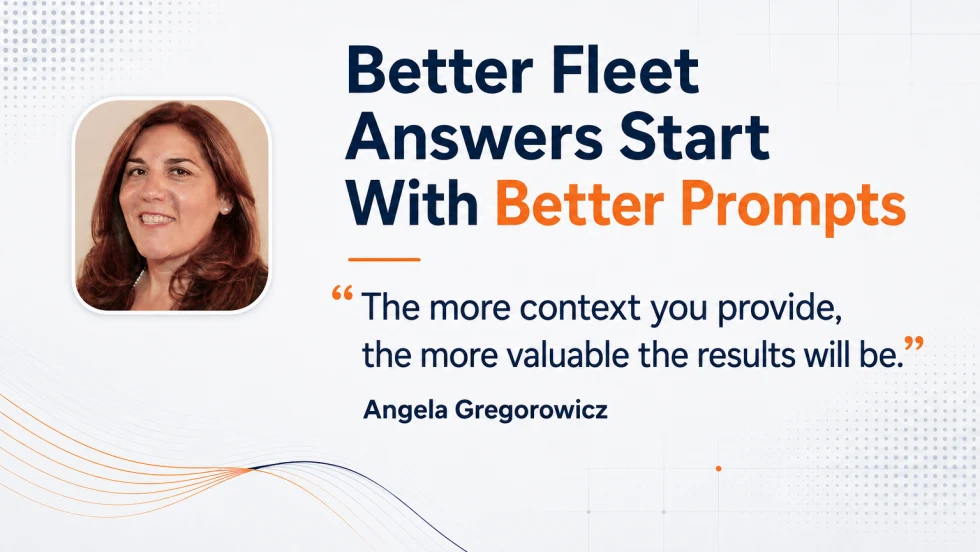
How to Write Better AI Prompts for Fleet Analysis
Include these six elements in your fleet prompts to generate more relevant analysis and accurate answers.
Read More →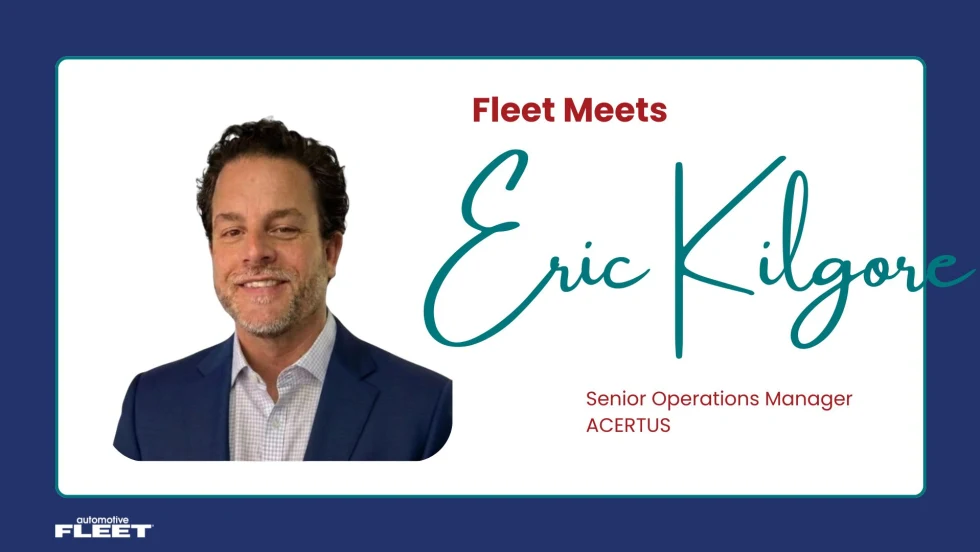
Fleet Meets: Eric Kilgore
This edition of the Fleet Meets series features one of the industry's best leaders driving multi-market and national operations.
Read More →
Why Reactive Fleet Management Is Becoming Too Expensive to Sustain
Research highlights a growing need for proactive management strategies to address rising costs in fleet operations effectively.
Read More →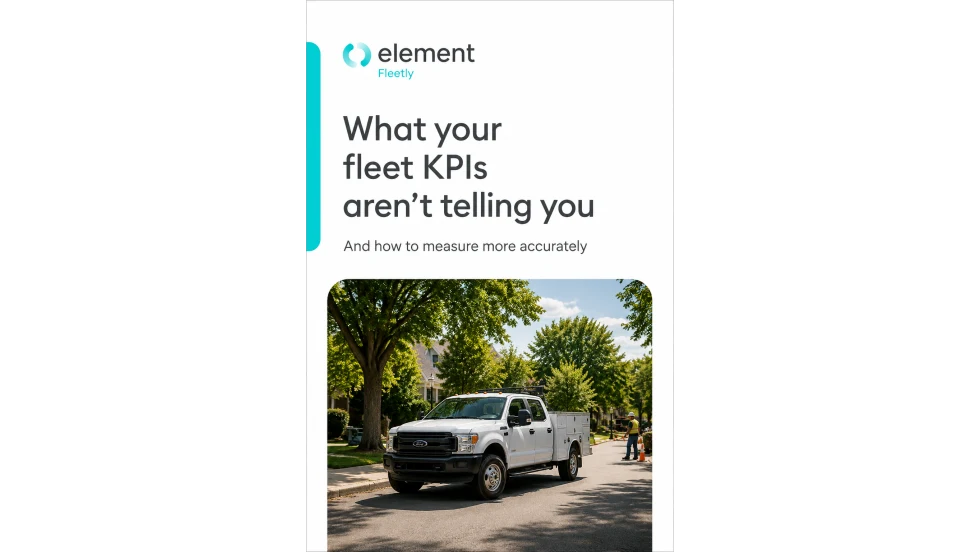
What Your Fleet KPIs Aren’t Telling You
Tracking fleet metrics is only useful when the data leads to better decisions. This guide helps fleet leaders assess cost, utilization, and downtime more accurately, identify performance gaps, and prioritize the actions that can improve operational results.
Read More →
Hidden in Plain Sight: Fleet Compliance Risks
Fleet compliance isn't just about having policies — it's about consistently enforcing them. This practical guide reveals six hidden compliance risks common in public sector and shared fleet operations and outlines proven strategies to improve visibility, accountability, and audit readiness
Read More →