More on Autonomous Technolgoy:
Goggo & Mobileye to Introduce Autonomous Vehicles for Logistics in Europe
 MENU
MENU SEARCH
Association of Fleet Professionals chair Paul Hollick said the promise of entirely self-driving cars was unlikely to materialize soon, but other potentially useful — and even transformational — ideas were coming to fruition.
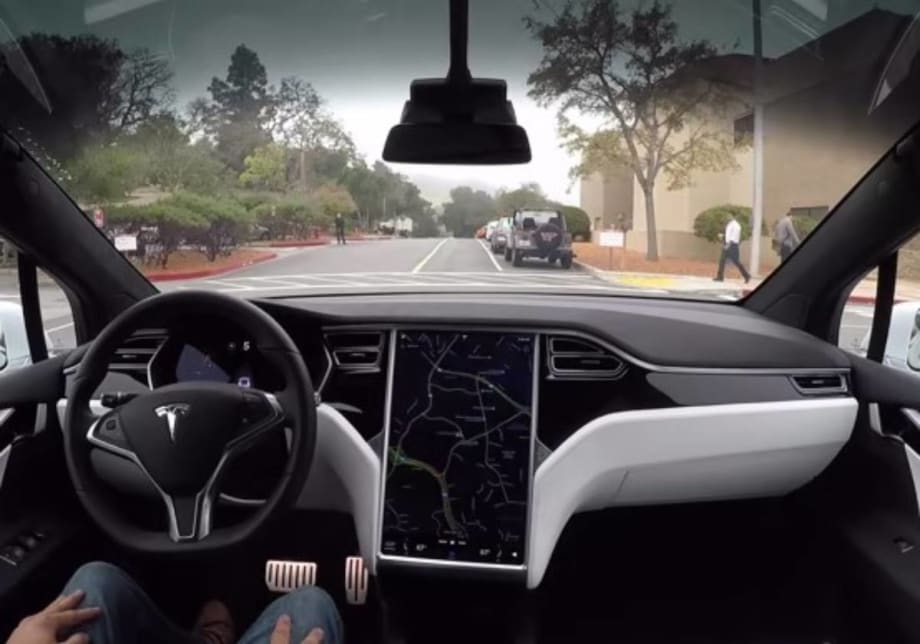
Telsa cars come standard with advanced hardware capable of providing the company’s Autopilot features and full self-driving capabilities through software updates.
[EMPTY CREDIT]
Fleets should “look beyond” full autonomy at other possible uses of new assisted driver technology, says the U.K.-based fleet organization the Association of Fleet Professionals (AFP).
Paul Hollick, chair at the industry body, said the promise of entirely self-driving cars was unlikely to materialize soon but other potentially useful — and even transformational — ideas were coming to fruition.
“General agreement seems to be emerging across the autonomous tech field that the target of full ‘level five’ autonomous driving is still some years away, if indeed its inherent problems can ever be solved,” said Hollick.

[EMPTY CREDIT]
Fleets may have much to gain by envisioning tech potentials beyond autonomous driving. “There is much that can be done with the related technology that is available, and fleets should be both looking at its possibilities and thinking about infrastructure to ensure its safe use,” said Hollick.
Since the U.K. may be more open than other countries in allowing this technology on public roads, “We may effectively be asked to become early adopters — with both the risks and rewards that brings,” said Hollick.
Some fleets already operate vehicles with level 2 autonomy such as lane changing and self-parking systems, Hollick observed. He believes level 3 autonomy, which allows fully automatic driving on some roads such as motorways with the driver ready to take control if needed, is growing close to production models.
The AFP recommends fleets to consider how they view these levels of assistance. Essentially, levels of autonomy rely on the driver intervening if the technology fails, but “it is all too easy to envisage situations where this handover to driver does not happen.” Risk management and Duty of Care implications of this technology undergo serious examination, the group advises.
“Especially, because these driving modes may be soon available on cars that are entering production, there is a chance they may arrive on your fleet almost by stealth,” Hollick pointed out. “You need to know if vehicles with these levels of autonomy are being used on your fleet and ensure that drivers are familiar with the technology and how it works. There are very clear risks.”
However, said Hollick, fleets should continue to investigate and, where appropriate, assess the potential advantages of reducing driver stress and cutting accident rates.
“These assisted forms of driving could prove to be valuable in terms of the benefits they bring. They just need to be properly managed within a framework where drivers understand the limitations and their responsibilities as an employee and road user,” said
Autonomous technology provides other intriguing possibilities, such as fleet access to services that use remote driving, Hollick commented. “Our Future Mobility Committee recently saw a presentation from Fetch, which plans to use remote driving to deliver car club-style services, with trials underway in Milton Keynes. It’s early days for this kind of tech, but the potential is considerable.”
According to blogger Bryant Walker Smith at Stanford Law School’s Center for Internet and Society, remote driving is more than mere remote assistance, but involves performing all or part of what is termed the “dynamic driving task” — monitoring the driving environment and braking, accelerating, steering, and signaling as needed.
Remote driving may solve many problems inherent in higher levels of autonomy while delivering some of the most important advantages, said Hollick, citing a wide range of potential fleet applications. For example, he suggested, “If hire cars can be delivered to the point of need at short notice without the need for a delivery driver to be present, that would be a massive advantage and open up pay-on-use car services to a much wider audience.”
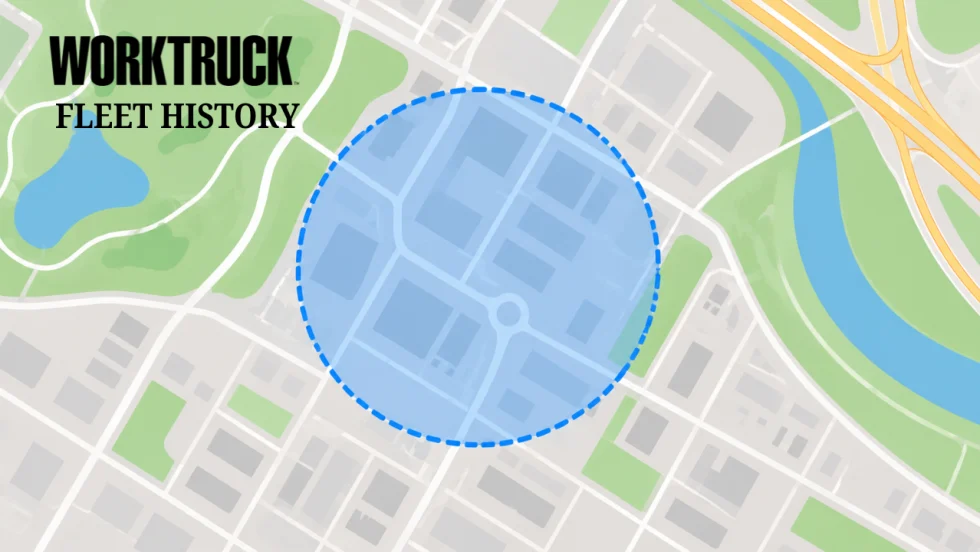
Geofencing is a familiar fleet tool today, but its early adoption marked a major shift in vehicle tracking, route monitoring, and the debate over employee privacy.
Read More →
Holman is bringing its Mexican fleet management operation fully under its own brand after more than 30 years as a joint venture. The change gives multinational fleet customers a single Holman operation across the U.S., Canada, and Mexico.
Read More →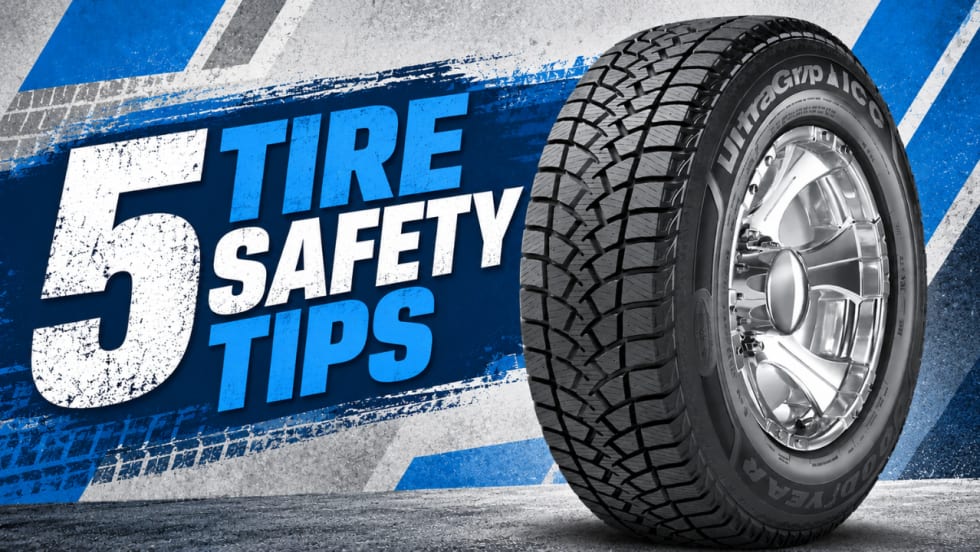
Regular tire checks can do more than extend tread life. These five maintenance practices can help work truck fleets catch problems early, reduce costs, and prevent downtime.
Read More →
The age-old problem of downtime will always be a reality, but with new strategies at hand, fleets have more ways to keep trucks on the road longer.
Read More →


Part Two: Commercial auto remains one of the most challenging and costly lines of coverage for fleet operators and insurers alike. Continue learning more about how to effectively address these issues from Onur Aksan, Enterprise Business Development Executive, Geotab
Read More →
Commercial auto remains one of the most challenging and costly lines of coverage for fleet operators and insurers alike. Learn more about how to effectively address these issues from Onur Aksan, Enterprise Business Development Executive, Geotab.
Read More →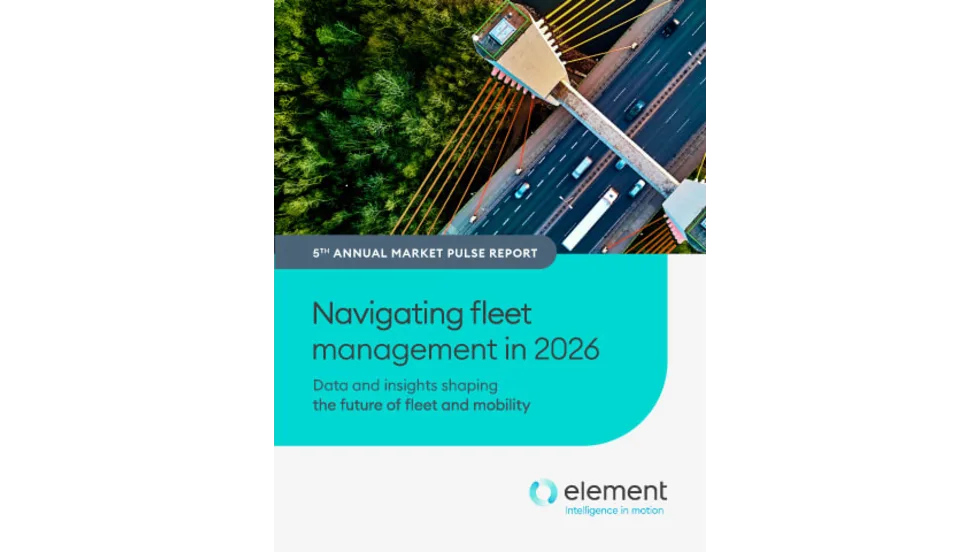
Fleet leaders are under pressure to reduce costs, adapt to economic uncertainty, and make smarter decisions. See how peers across North America are responding with real data, proven strategies, and forward-looking insights. Download the 2026 Market Pulse Report to benchmark your strategy and uncover where you can gain an edge.
Read More →
Enterprise Mobility connects with mobility solutions around the globe
Read More →