




Related: Lincoln's Navigator Concept Emphasizes 'Quiet Luxury'
2018 Lincoln Navigator Boosts Power, Luxury
The 2018 Lincoln Navigator will enter its fourth generation as a more powerful and lighter-weight luxury SUV with more elegant styling, connectivity, and interior space, Lincoln announced at the New York International Auto Show.
by Staff
April 13, 2017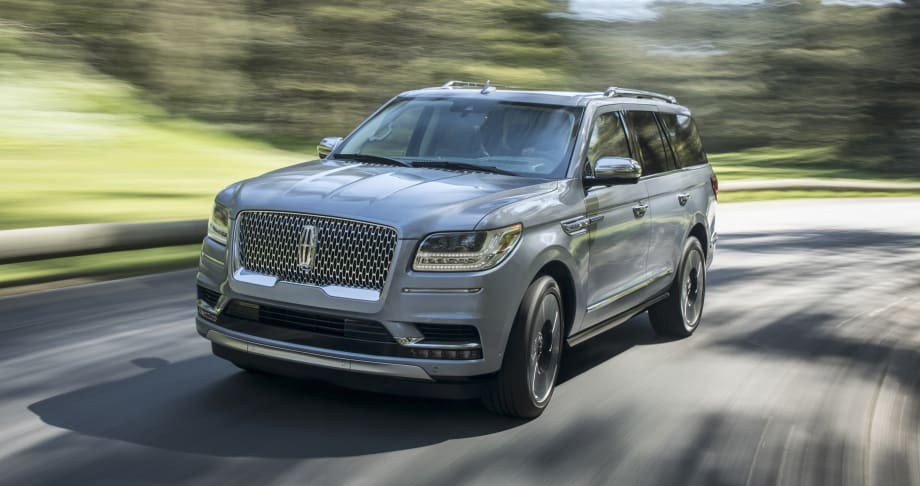
Photo of 2018 Navigator courtesy of Lincoln.
2 min to read
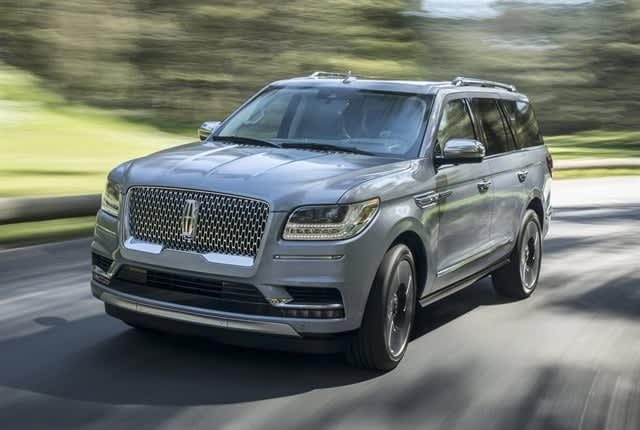
Photo of 2018 Navigator courtesy of Lincoln.
The 2018 Lincoln Navigator will enter its fourth generation as a more powerful and lighter-weight luxury SUV with more elegant styling, connectivity, and interior space, Lincoln announced at the New York International Auto Show.
The 2018 Navigator significantly boosts power from the outgoing model, which hasn't been significantly redesigned in 11 years. It will be powered by a twin-turbo V-6 engine that should produce 450 horsepower, according to preliminary estimates. Ford shares this engine in its F-150 Raptor pickup. Power will be delivered through a 10-speed transmission.
The luxury three-row SUV eliminates about 200 pounds of weight with an aluminum-alloy body that should also provide a more refined ride.
The vehicle hews closely to the styling of the concept shown in New York a year ago without the gullwing doors or staircase. It does include power running boards. With this vehicle, Lincoln has moved away from its signature split-wing grille.
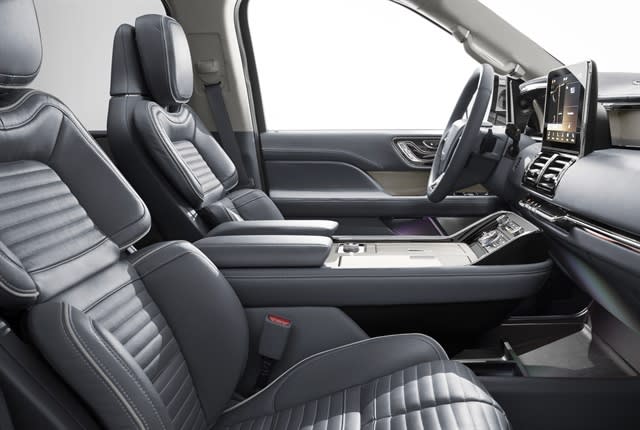
The interior has been significantly upgraded to add more spaciousness, a fully digital instrument panel, and tablet-style touchscreen on the center console. Two more screens can be added for second-row passengers. The vehicle includes a built-in Wi-Fi system that can connect 10 devices.
The front driver and passenger seats offer massage, heating and cooling, and can be adjusted up to 30 different ways.
To enhance connectivity, the Navigator provides six USB ports, four 12-volt power outlets and a 110-volt plug. For the first time, the vehicle will offer an available wireless phone charger in the first-row center console media bin.
More Operations

AI-Native or AI-Acquired: What Should Fleet Managers Look for in an AI Platform?
Six questions can help fleet managers look beyond AI marketing claims to evaluate integration, data access, and real-world operational performance.
Read More →
Sponsored•October 14, 2026
A buyer's guide to fleet management software in 2027
Buying fleet management software in 2027 means looking beyond features and price. As fleet operations, technology and expectations evolve, this guide explores what today’s fleet professionals should consider when choosing a system that can deliver value now and adapt to what comes next.
Read More →
What Will Shape the Next Era of Fleet Management?
EVs, AI, and autonomous vehicles are reshaping fleet management. Discover what’s ahead—and how fleet leaders can prepare for the next era.
Read More →

How Fleets Can Recruit and Train Veterans for Technician Roles
Here's how the technician shortage has affected uptime for fleets, and what to do about it.
Read More →
Avis Budget Group Deploys Neology Toll Management Technology Across Major Brands
Neology’s neoFleet platform will manage toll transactions and toll-authority operations for vehicles across Avis, Budget, Payless, Budget Truck and Zipcar.
Read More →
Fleet Personal-Use Charges Edge Higher in 2026
Nearly eight in 10 surveyed fleets allow personal use of company vehicles, while just over half of respondents report charging employees for the privilege.
Read More →
The Future of Fleet + What’s Changing Right Now | AF News Recap
Could developments overseas offer a preview of what’s coming for U.S. fleets? This week, we’re looking at the future of AI, autonomy, and electrification, plus Ford Pro’s new certified pre-owned program, smarter vehicle offboarding, and a new way for fleets to manage toll expenses.
Read More →
How to Handle Vehicle Offboarding
What do fleet managers need to do when a driver leaves?
Read More →
Sponsored•October 1, 2026
Fleet Manager’s Ultimate Playbook: Navigating the New Standard in OEM Connectivity
Rising operating costs, driver safety concerns, and unplanned downtime are putting unprecedented pressure on modern fleets. Discover how fleet managers use embedded OEM connectivity and real-time vehicle data to cut TCO, prevent downtime, and protect drivers without aftermarket telematics hardware.
Read More →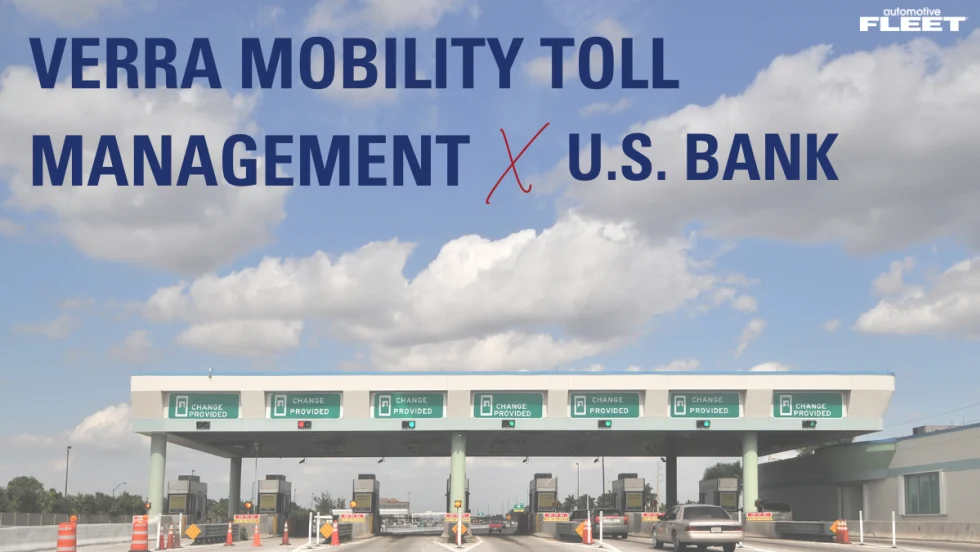
U.S. Bank Adds Verra Mobility Toll Management to Voyager Fleet Platform
The integration allows U.S. Bank Voyager fleet customers to manage toll payments and violations alongside fuel, EV charging and maintenance expenses.
Read More →