




Related Photos: Isuzu's N-Series Cabovers
2016 Isuzu N-Series Cabovers
Isuzu's N-Series cabovers provide greater maneuverability and emphasize payload for urban delivery fleets.

Paul Clinton・Former Senior Web Editor
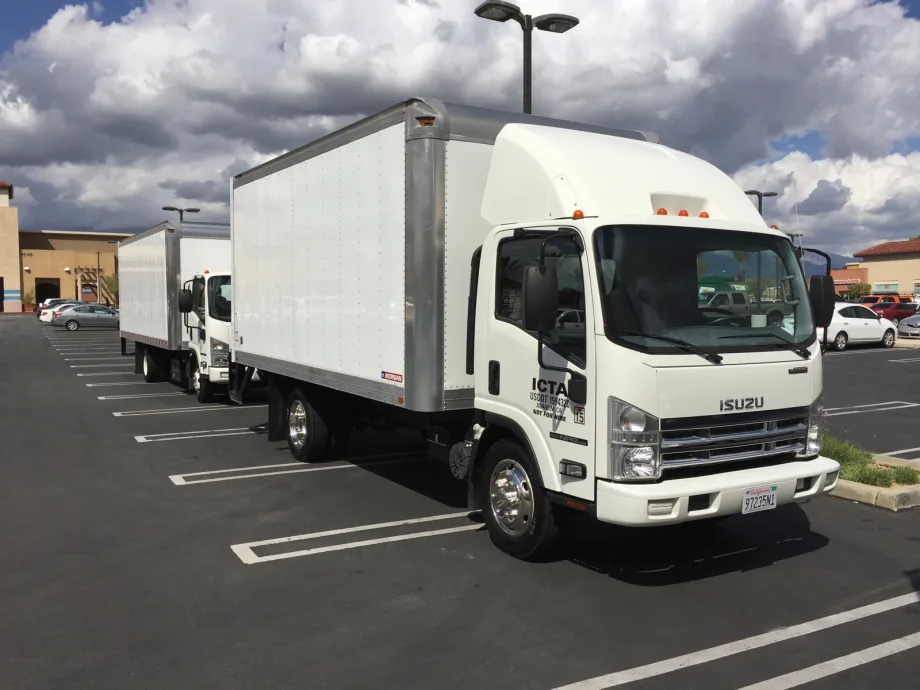
Photo of NPR-HD by Paul Clinton.
2 min to read
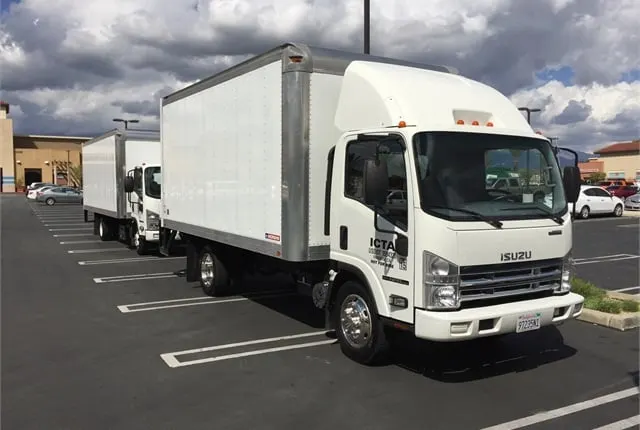
Photo of NPR-HD by Paul Clinton.
Cab-over-engine trucks, also known as low cab forward trucks, give an urban delivery fleet a versatile tool for increasing payload without moving to a higher class because the more compact cab allows a longer cargo box to sit on the chassis.
By locating the driving in a cab mounted above the engine, these trucks also provide greater visibility of objects in front of the truck, which can help when maneuvering in and out of alleys, and making a u-turn on a residential street. Wider wheel cuts enable an impressive turning radius that in some cases can approach 50 degrees.
These benefits were on display with Isuzu's N-Series models, which we drove during about 70 mostly highway miles from the company's Anaheim headquarters heading east to rural Beaumont in Riverside County. We should note that we drove the trucks unloaded.
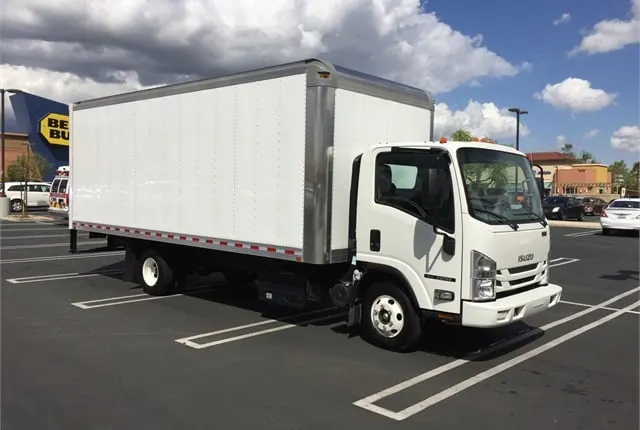
Photo of NPR by Paul Clinton.
We drove a three-leg route with the Class 3 NPR, Class 4 NPR-HD, and Class 5 NRR. First some specs. Isuzu's entry-level NPR is the newest model in the N-Series lineup. It's powered by a 3.0L inline-4 turbo-diesel. It has a 20-inch wheelbase and 13,000-GVW chassis with a payload range of 7,435-7,607 pounds.
The NPR-HD is powered by a 6.0L V-8 gasoline engine. Its 16-inch wheelbase and 14,500-GVW enable a payload range of 8,339-8,536 pounds. This truck is the company's highest-volume seller.
The NRR uses a 5.2L inline-4 turbo-diesel to power a truck with a 22-inch wheelbase and 19,500 GVW. Payload ranges from 12,294 to 12,875 pounds.
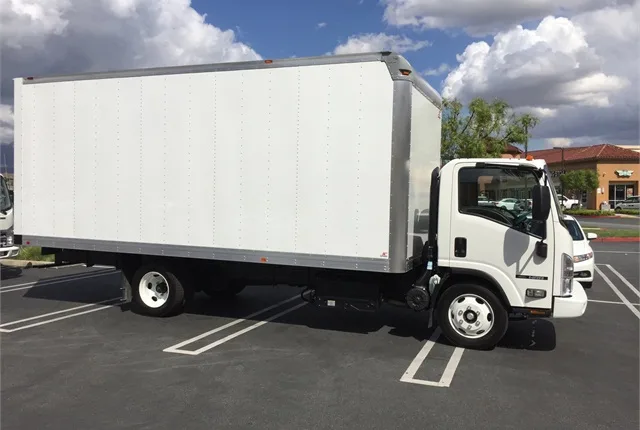
Photo of NRR by Paul Clinton.
The trucks deliver power through an Aisin A460 6-speed automatic transmission to rear-wheel drivetrains.
The NPR-HD offered the peppiest ride with its nearly 297 hp, which helped on several roadways with steeper grades. All three trucks provided a stable platform.
A cabover puts the driver in a higher ride position that, when paired with a wider windshield, enables greater visibility of the roadway. Objects would be visible at 8 feet in front of the truck, which gives a driver more time to react, Isuzu told us.
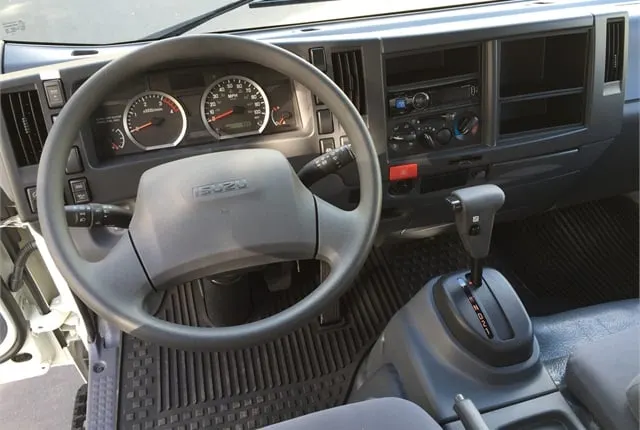
Photo by Paul Clinton.
The utilitarian cabins of the trucks serve as a reminder to their essential duty as work tools. Cloth seats, a basic radio, and molded plastic surfaces help keep drivers focused on the job at hand.
The dashboard provides usefull buttons for cargo bay lighting, locking the rear differential (in the NPR), performing a manual regen, getting fuel and diesel fluid levels, and collecting the odometer reading after the truck has been shut off.
Isuzu is expanding its cabover lineup with the F-Series Class 6 cabover that will begin production in the middle of 2017. Until then, its N-Series trucks will continue to serve as core models for a variety of delivery fleets.
Subscribe to Our Newsletter
More Blog Posts

Fleet Review: 2026 Outback Is More SUV, Still an Outback
The redesigned Outback trades its station-wagon profile for a roomier, more conventional SUV shape while retaining the comfort and safety technology that give it fleet appeal.
Read More →
Why Should Fleets Choose the 2026 Mercedes-Benz GLC 300 SUV?
The GLC 300 offers corporate fleets attainable luxury, comfort, and practicality that transitions seamlessly to family duty.
Read More →
Fleet Review: Volvo EX90 & the Software-Defined Vehicle
Volvo’s new three-row electric SUV is designed for the corporate (and family) class.
Read More →
Fleet Review: Mercedes-Benz EQB 250+
With a reasonable entry point and the refinement of a Mercedes, The EQB 250+ defines “practical luxury” for fleets.
Read More →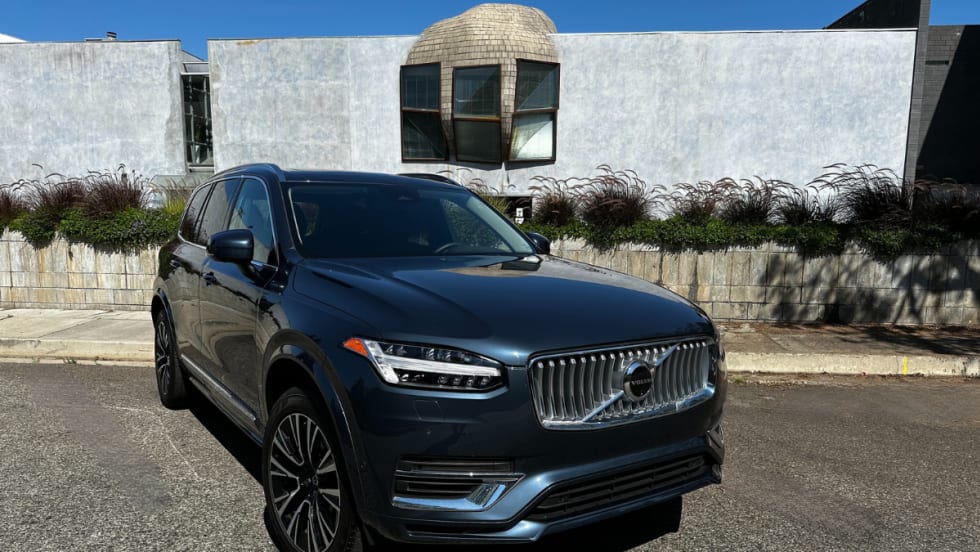
Fleet Review: Volvo XC60 & XC90 PHEVs
Volvo’s XC60 and XC90 plug-in hybrid models are stylish, safe, sustainable — and surprisingly fast.
Read More →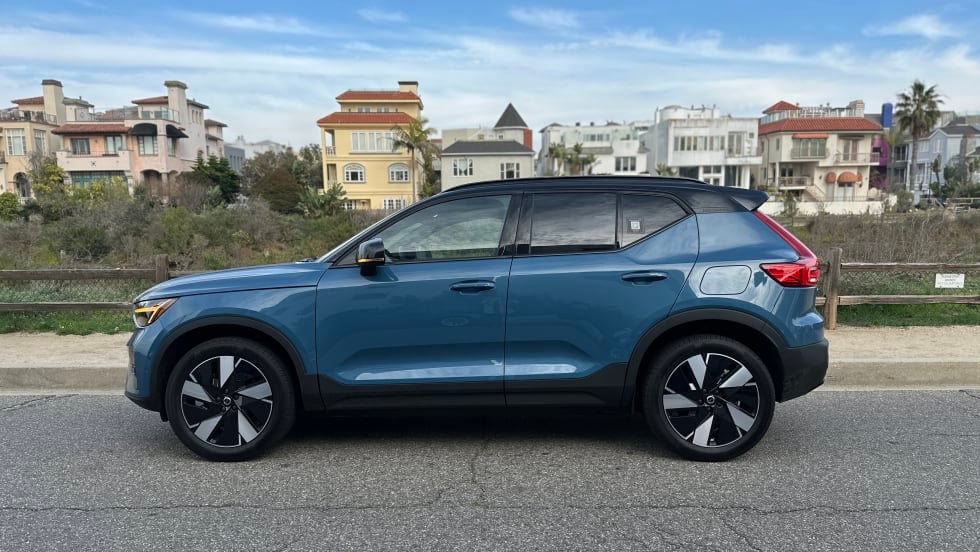
Fleet Review: Volvo XC40 Recharge
The Volvo XC40 Recharge offers fleets the familiar premium Volvo experience, electrified.
Read More →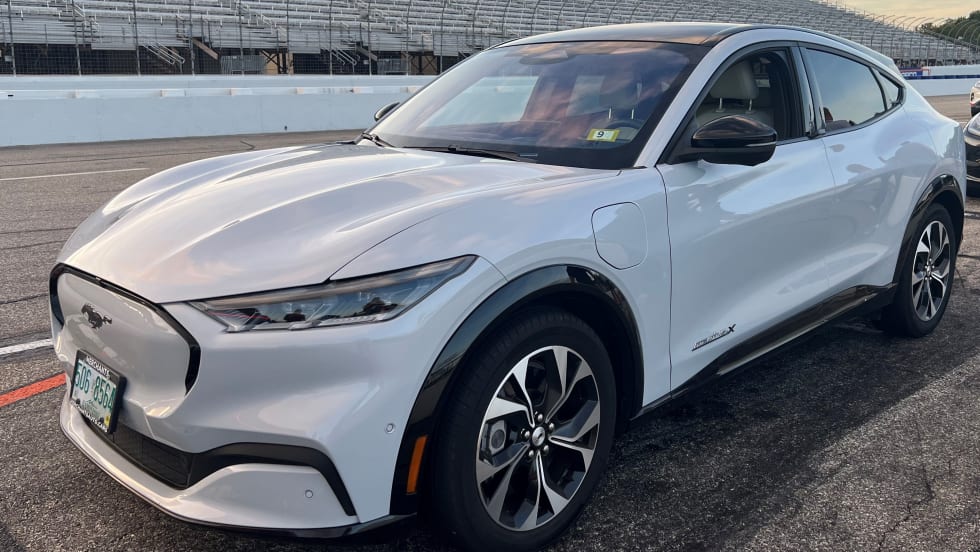
The 2023 Ford Mustang Mach-E Offers a Smooth Ride for New EV Drivers
A look at the bells and whistles on the car, plus how it drives, from the perspective of someone who’s never driven an EV.
Read More →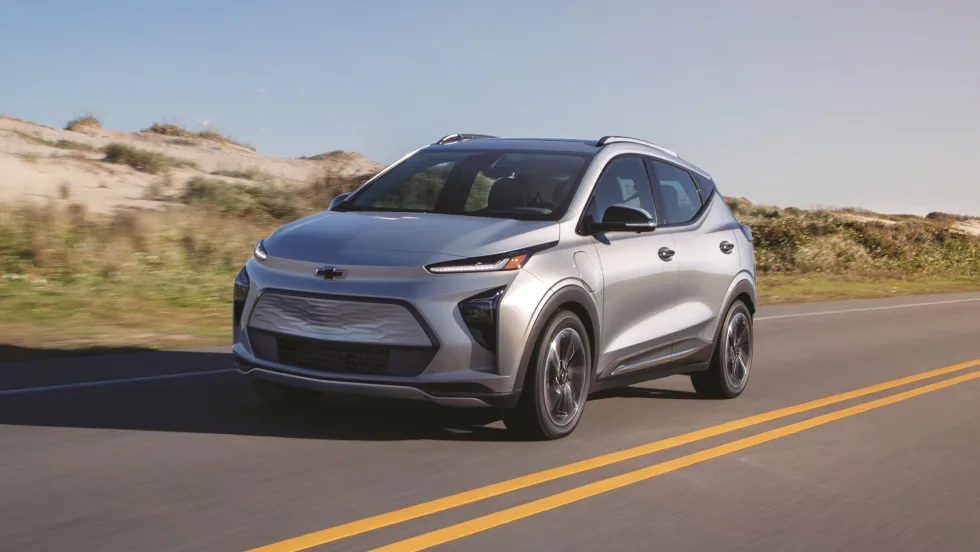
The 2022 Bolt EUV Lowers TCO While Meeting Sustainability Goals
The 2022 Bolt EUV expands Chevrolet’s EV lineup as a utility-type vehicle with a range of 250 miles on a full charge. It will be sold alongside the 2022 Bolt EV model. The Bolt EUV is approximately six inches longer than the Bolt EV.
Read More →
2021 Cadillac Escalade is C-Suite Material
The 2021 Cadillac Escalade 4WD Sport Platinum is the most expensive model sold by General Motors. But its brand cachet makes it the ideal pinnacle fleet vehicle to help retain high-value senior execs with a high-value luxury SUV.
Read More →
2021 GMC Yukon AT4 Excels as an Off-Road Crew Vehicle
Powered by a 5.3L V-8, generating 355 horsepower and 383 lb.-ft. of torque, the engine is paired to a10-speed automatic transmission. It is ideal for off-road work applications and can transport an eight-person work crew with tools and equipment.
Read More →