





Related Photos: Ford's 2016 Explorer 4WD
2016 Ford Explorer 4WD
Ford gave its top-selling SUV a heavy refresh for the 2016 model year that included a more efficient inline-4, rugged exterior styling, optional 20-inch wheels, and available Terrain Management System adjusts torque depending on the driving conditions.
April 8, 2016
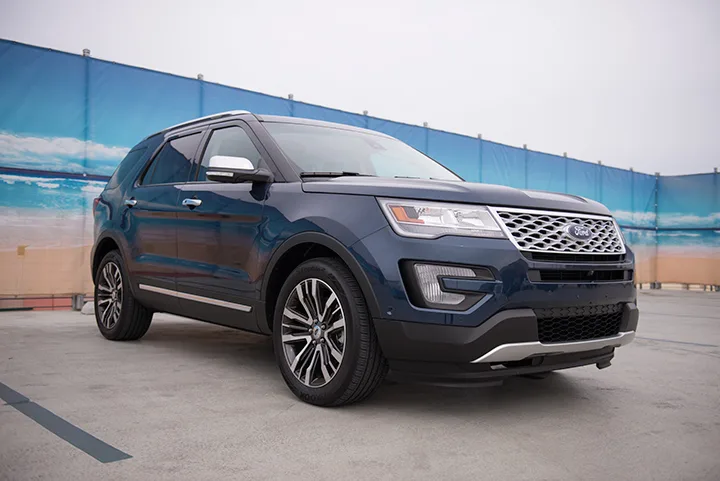
Ford gave its top-selling SUV a heavy refresh for the 2016 model year.
Photo: Vince Taroc
3 min to read
The majority of fleet Ford Explorers in recent years have gone into service with law enforcement agencies as the Police Interceptor Utility, a model with significant modifications for the demands of police driving.
The Explorer also sees use in commercial fleets, which added one of four fleet Explorers in 2013.
An SUV for Commercial Fleet Needs
Ford gave its top-selling SUV a heavy refresh for the 2016 model year that included a more efficient inline-4, rugged exterior styling, optional 20-inch wheels, and available Terrain Management System adjusts torque depending on the driving conditions.
Fleets typically purchase the base model or Explorer XLT. Ford offers three higher trims, including Limited, Sport, and Platinum, which we tested.
Ford has updated the Explorer's engine mix for 2016, adding a 2.3L inline-4 EcoBoost to replace the 2.0L four-cylinder. The new engine cranks out 280 hp (an increase of 40 hp) and 310 lb.-ft. (an added 40 lb.-ft.), and arrives as a $995 engine upgrade. The Explorer carries over its 3.5L V-6, and has increased availability for the 3.5L V-6 EcoBoost that makes 365 hp.
While we enjoyed driving the powerhouse V-6 EcoBoost, the other engines provide better fuel economy. While the V-6 EcoBoost with 4WD is rated at 16 mpg city and 22 mpg on the highway, the 2.3L with 4WD is rated at 18 mpg in the city and 26 mpg on the highway.
The FWD 2.3L is rated at 19 mpg in the city and 28 mpg on the highway, while the FWD 3.5L non-turbo is rated at 17 mpg in the city and 24 mpg on the highway.
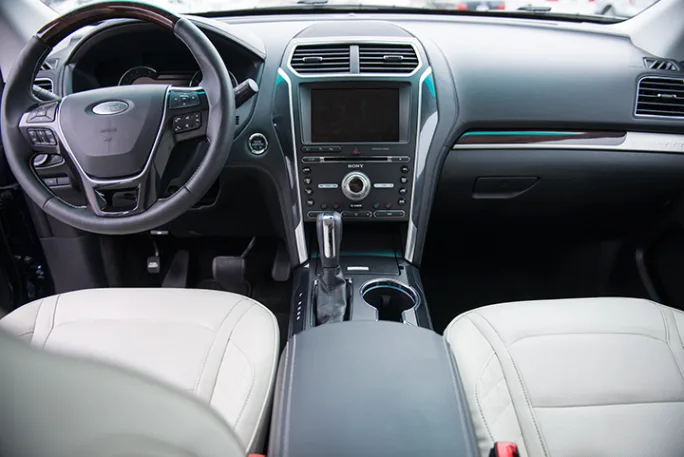
The Explorer's spacious cabin can accommodate a driver and six passengers when equipped with the standard bench seating in the second row.
Photo: Vince Taroc
The 2016 Explorer arrives with a more rugged look that aligns it with its truck brethren. Ford shifted the Explorer onto its D4 unibody platform for 2011, and the SUV has seen a surge in sales in the past few model years. The move reduced harshness by adding flex to the ride that better absorbs bumps.
For 2016, Ford added what it's calling "intelligent four wheel drive" as an option to the front-wheel-drive SUV. Ford has enhanced its all-wheel-drive system so it can provide up to 90% of the available torque to the real wheels. Most AWD systems provide a maximum of 60% torque, said William Mattiace, Ford's SUV spokesman.
An available "terrain management system" offers four modes for normal, mud/ruts, sand, and grass/gravel/snow. The system includes a hill descent feature that functions as cruise control for steep grades.
Several safety and driver-convenience features arrive for 2016, including front and rear cameras and parking assist. The 2016 Explorer adds an available front 180-degree camera that allows the driver to see around obstacles and improves visibility when pulling out of a driveway, street or parking lot.
The Explorer's spacious cabin can accommodate a driver and six passengers when equipped with the standard bench seating in the second row. A power rear liftgate can be activated with a kick of the foot below the vehicle's rear bumper.
Subscribe to Our Newsletter
More Blog Posts

Fleet Review: 2026 Outback Is More SUV, Still an Outback
The redesigned Outback trades its station-wagon profile for a roomier, more conventional SUV shape while retaining the comfort and safety technology that give it fleet appeal.
Read More →
Why Should Fleets Choose the 2026 Mercedes-Benz GLC 300 SUV?
The GLC 300 offers corporate fleets attainable luxury, comfort, and practicality that transitions seamlessly to family duty.
Read More →
Fleet Review: Volvo EX90 & the Software-Defined Vehicle
Volvo’s new three-row electric SUV is designed for the corporate (and family) class.
Read More →
Fleet Review: Mercedes-Benz EQB 250+
With a reasonable entry point and the refinement of a Mercedes, The EQB 250+ defines “practical luxury” for fleets.
Read More →
Fleet Review: Volvo XC60 & XC90 PHEVs
Volvo’s XC60 and XC90 plug-in hybrid models are stylish, safe, sustainable — and surprisingly fast.
Read More →
Fleet Review: Volvo XC40 Recharge
The Volvo XC40 Recharge offers fleets the familiar premium Volvo experience, electrified.
Read More →
The 2023 Ford Mustang Mach-E Offers a Smooth Ride for New EV Drivers
A look at the bells and whistles on the car, plus how it drives, from the perspective of someone who’s never driven an EV.
Read More →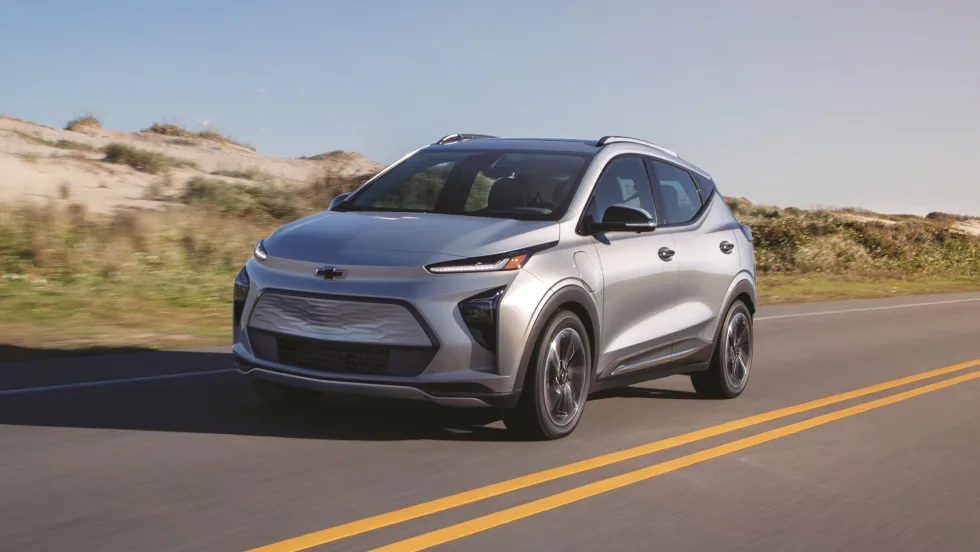
The 2022 Bolt EUV Lowers TCO While Meeting Sustainability Goals
The 2022 Bolt EUV expands Chevrolet’s EV lineup as a utility-type vehicle with a range of 250 miles on a full charge. It will be sold alongside the 2022 Bolt EV model. The Bolt EUV is approximately six inches longer than the Bolt EV.
Read More →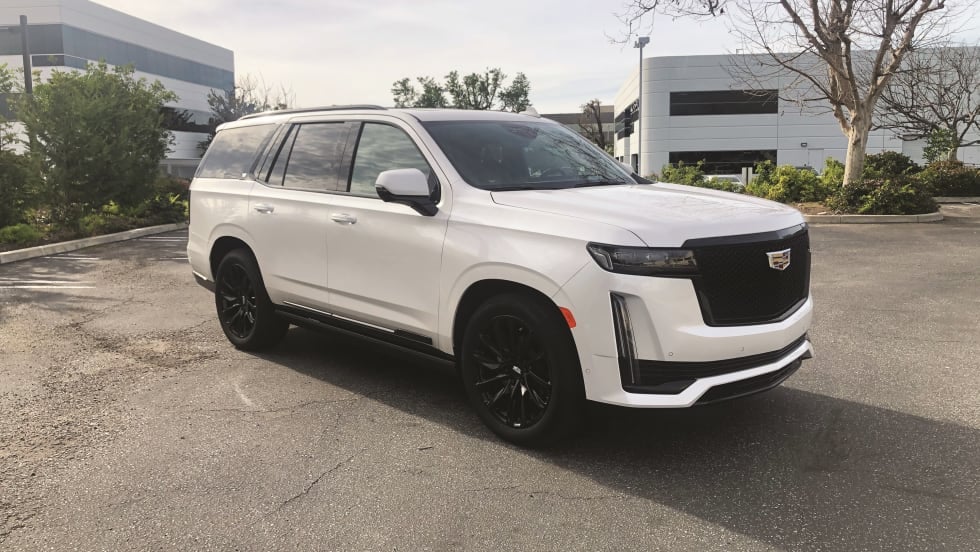
2021 Cadillac Escalade is C-Suite Material
The 2021 Cadillac Escalade 4WD Sport Platinum is the most expensive model sold by General Motors. But its brand cachet makes it the ideal pinnacle fleet vehicle to help retain high-value senior execs with a high-value luxury SUV.
Read More →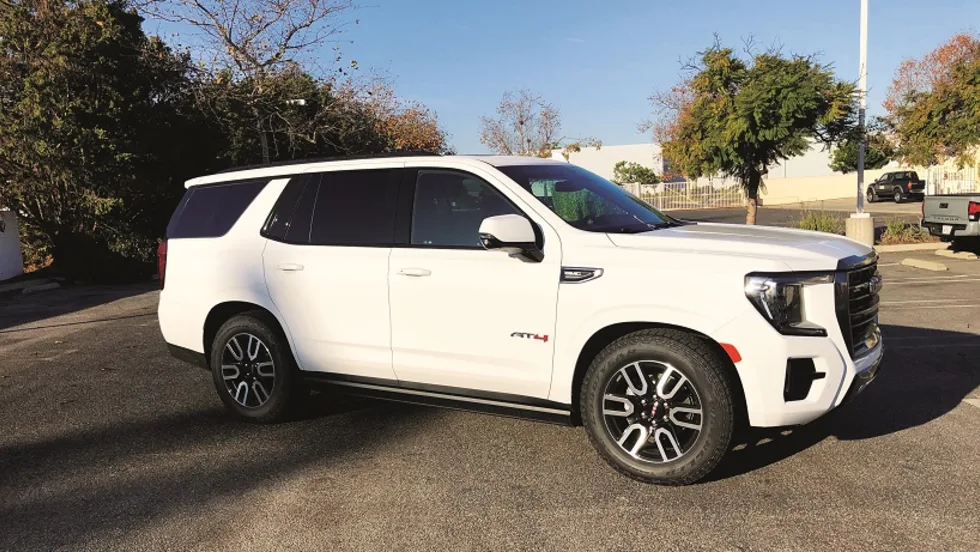
2021 GMC Yukon AT4 Excels as an Off-Road Crew Vehicle
Powered by a 5.3L V-8, generating 355 horsepower and 383 lb.-ft. of torque, the engine is paired to a10-speed automatic transmission. It is ideal for off-road work applications and can transport an eight-person work crew with tools and equipment.
Read More →