


 MENU
MENU SEARCHMENUSEARCH
Good pay isn't the only perk that will attract and keep good employees. A study by GE Capital Fleet Services found that a company vehicle can be a strong tool for winning employee loyalty.
Read More →One of the “fleet management basics” is determining vehicle selection: what type, make, model, and equipment are best suited to the company fleet mission.
Read More →Preventing accidents can cut fleet expenses and improve operating of vehicles. Auto manufacturers are coming out with an increasing number of on-board technologies to help drivers avoid accidents.
Read More →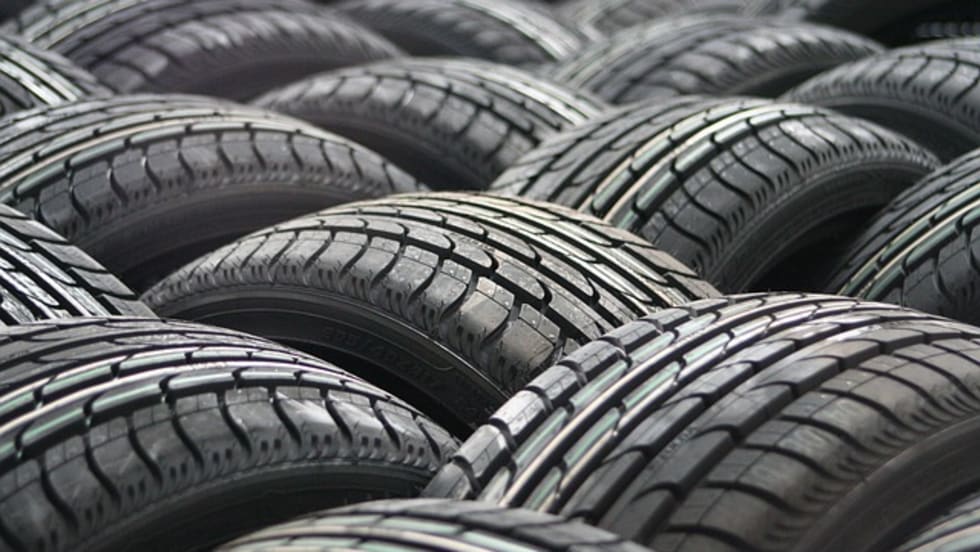
If one word could describe the forecast for CY-2015 operating costs, it would be "flat." The upbeat forecast is for gasoline and diesel prices to slightly decrease, while maintenance and tire costs are predicted to remain stable.
Read More →
Fuel prices remain stable with the continued shift to smaller displacement engines and increased oil production in the U.S. One unintended consequence may be the emergence of driver complacency to maximizing fuel economy.
Read More →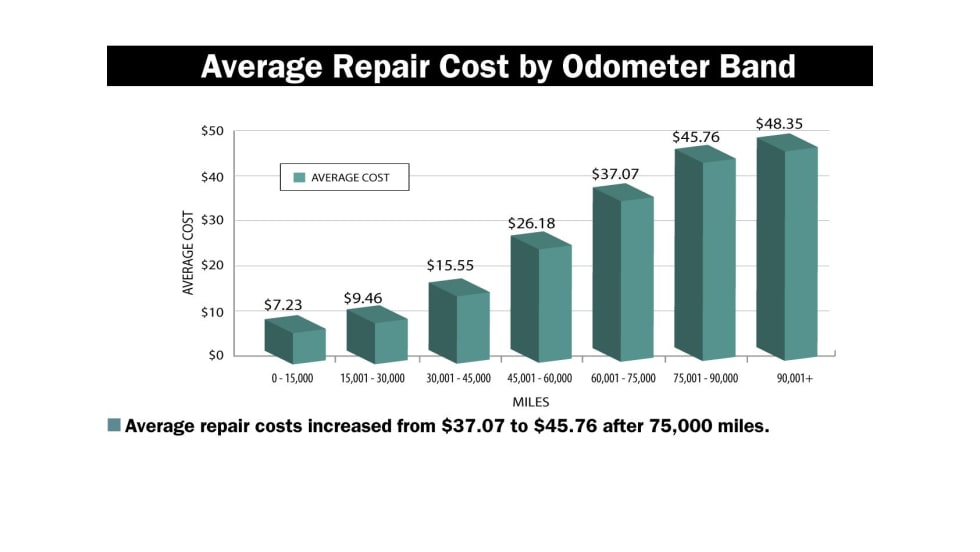
Replacement tires are the third-largest fleet expense category. In recent years, there have been year-over-year price increases for replacement tires. A key reason for current, stable tire pricing is less volatility in commodity costs.
Read More →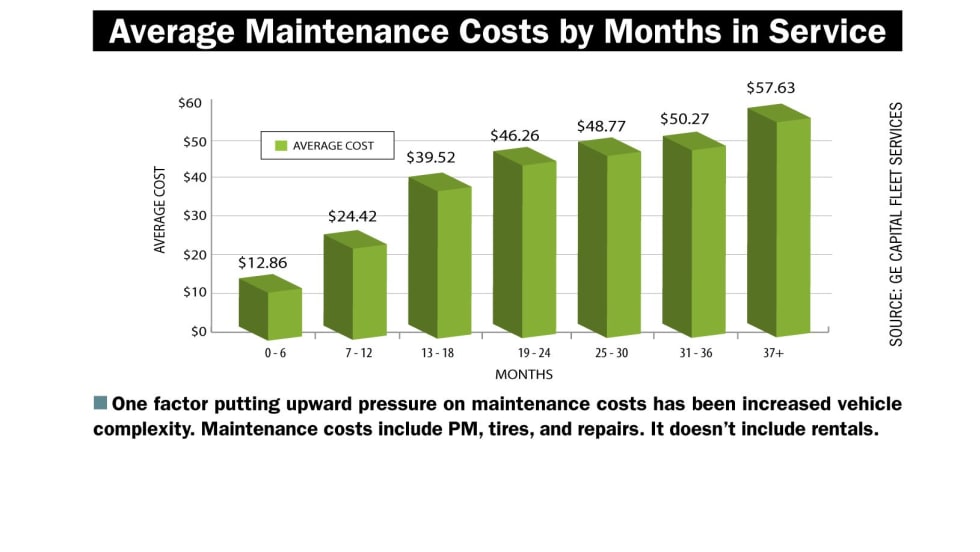
Maintenance costs have decreased in the past 12 months with the primary reason being increased vehicle quality. But, there are concerns about vehicle complexity, part prices, labor rates, and soft costs such as driver downtime.
Read More →
The operating cost forecast for medium-duty trucks is stable for the upcoming calendar year, with fuel economy and cost reduction the top concerns.
Read More →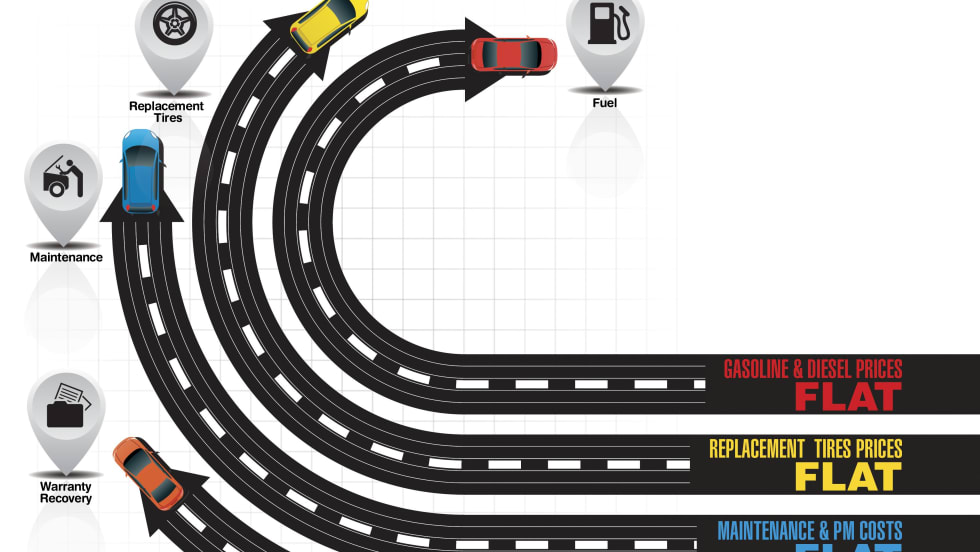
Gasoline and diesel prices, on average, in 2014 are virtually the same as in 2013, with some variances depending on region. Similarly, PM costs are flat and stable commodity prices have contributed to less volatility in tire prices.
Read More →
Reaching its emissions-reduction goals of 10 percent three years early, the parcel delivery fleet has upped its goals to achieve a 20-percent reduction by 2020.
Read More →