




What to Look For in Used Oil Analysis
Fleet downtime and associated maintenance costs are a continual pain point for owners and operators, so understandably, they’re always on the lookout for efficiency and productivity gains to improve fleet performance.
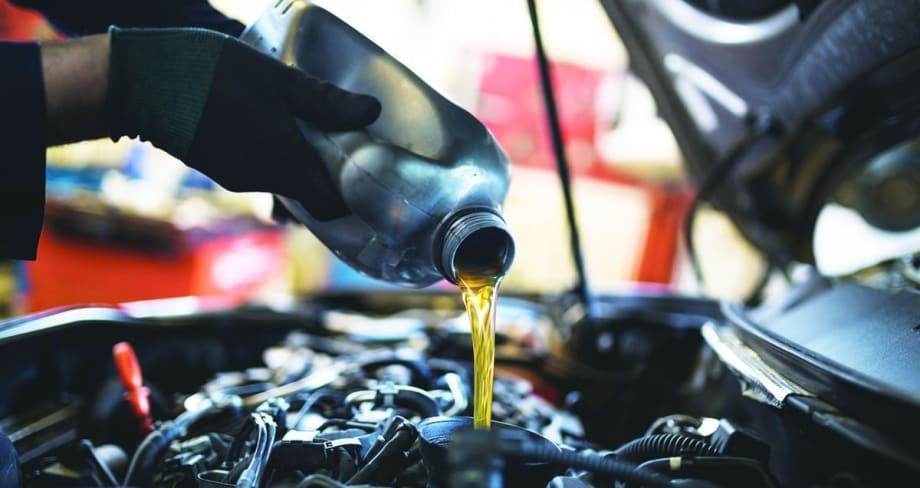
Improper sampling can lead to inaccurate interpretation of the results and potential equipment damage or failure.
Photo: Getty Images
Fleet downtime and associated maintenance costs are a continual pain point for owners and operators, so understandably, they’re always on the lookout for efficiency and productivity gains to improve fleet performance.
An important part of this is reflecting on all contributing factors, such as driver style, idle time, and truck design, as well as proactive measures that should be incorporated into the overall program.
Used oil analysis is a proactive maintenance measure that can highlight and identify the signs of mechanical failure within the engine before it becomes too serious or expensive to repair.
The data from a used oil analysis report can offer operators the potential to extend oil drain intervals (note: extending drain intervals should always be undertaken in conjunction with an oil analysis program), providing another effective method for reducing maintenance costs and increasing fleet time on the road.
The Three-Step Process
There are three simple steps to used oil analysis:
Taking a representative sample – This is a critical step in the process, as improper sampling can lead to inaccurate interpretation of the results and potential equipment damage or failure. A clean, dry container suitable for holding used oil should be used, with a label affixed to it that has the information for the laboratory to put into their database, for example equipment type and miles/hours of operation. Before taking the sample, the sampling point should be clean and a small amount of oil should be flushed to ensure that no foreign contaminants make their way into the bottle.
Sending the sample to a qualified used oil analysis laboratory – Once the sample has been taken, it should be sent as soon as possible to a certified oil analysis laboratory. In some cases, a delay can mean the difference between being able to diagnose and correct a serious condition, and losing a critical piece of equipment due to failure. The laboratory will then test the oil using standard test regimes, providing accurate results and diagnosis in a report.
Interpreting and acting upon the report results – To effectively interpret the results for your equipment it is key to have guidelines on what levels are normal for your type of machine and how it operates, as looking at the trends over time provides more insight than single values.
When working with a specialized oil provider, or technical service advisor, experts will be on hand to provide insightful commentary and highlight significant changes in the report’s findings. As part of this process, they will evaluate the trends that have developed over time and highlight any anomalies along with recommendations for maintenance and if it’s possible to extend oil drain intervals.
Report Reading Tips
It’s also useful for fleet owners and operators to be able to read their used oil analysis report and correctly interpret the data. This can help them familiarize with what is a ‘normal’ reading for their fleets as well as ensure that any required maintenance is organized as quickly as possible before further problems arise.
When first reviewing a used oil analysis report it is important to look at many of the key indicators, like base number (BN), acid number (AN), viscosity, oxidation, fuel soot per cent and fuel dilution per cent as well as wear metals. Also, the presence of glycol or coolant, which would be shown through increases in silicon, potassium and/or sodium, and potentially water, can be the first signs of a failing EGR cooler seal, so would require the immediate attention of a technician or mechanic.
Increases in iron and aluminium can mean that a component within the engine is abnormally coming into contact with another and wearing at an accelerated rate. This could potentially be a failing camshaft, coolant leak attacking the liners or the engine requiring mechanical adjustment, so spotting the signs early could result in significant cost and maintenance savings.
If iron, aluminium, lead, and copper have all increased, the protection of vital engine components may have been compromised, so expert support should be sought to help resolve the issue.
Monitoring the levels of key properties within the engine oil provides fleet owners and operators with the ability to predict issues and schedule maintenance before problems become too expensive or serious to repair. Effectively helping reduce the risk of unplanned downtime and sudden engine failures, used oil analysis and data interpretation can reveal how abnormal metal to metal contact has accelerated and help identify its cause.
About the Author: Ron LeBlanc Sr. works in the technical services of Petro-Canada Lubricants.
Originally posted on Work Truck Online
More Global Fleet
GeoFencing Adds to Your Truck Security Arsenal
Geofencing is a familiar fleet tool today, but its early adoption marked a major shift in vehicle tracking, route monitoring, and the debate over employee privacy.
Read More →
Holman Takes Full Ownership of ARIZA in Mexico
Holman is bringing its Mexican fleet management operation fully under its own brand after more than 30 years as a joint venture. The change gives multinational fleet customers a single Holman operation across the U.S., Canada, and Mexico.
Read More →
5 Tire Maintenance Tips to Help Prevent Work Truck Downtime
Regular tire checks can do more than extend tread life. These five maintenance practices can help work truck fleets catch problems early, reduce costs, and prevent downtime.
Read More →

Proven Ways to Reduce Work Truck Downtime
The age-old problem of downtime will always be a reality, but with new strategies at hand, fleets have more ways to keep trucks on the road longer.
Read More →


Cameras, Safety and Insurance: From Reactive Claims to Real-Time Prevention (Part 2 of 2)
Part Two: Commercial auto remains one of the most challenging and costly lines of coverage for fleet operators and insurers alike. Continue learning more about how to effectively address these issues from Onur Aksan, Enterprise Business Development Executive, Geotab
Read More →
Cameras, Safety and Insurance: From Reactive Claims to Real-time Prevention
Commercial auto remains one of the most challenging and costly lines of coverage for fleet operators and insurers alike. Learn more about how to effectively address these issues from Onur Aksan, Enterprise Business Development Executive, Geotab.
Read More →
Fleet Costs Are Rising: Here’s How Leaders Are Responding
Fleet leaders are under pressure to reduce costs, adapt to economic uncertainty, and make smarter decisions. See how peers across North America are responding with real data, proven strategies, and forward-looking insights. Download the 2026 Market Pulse Report to benchmark your strategy and uncover where you can gain an edge.
Read More →
Enterprise Fleet Management Surpasses 900,000 Vehicles in U.S. & Canada
Enterprise Mobility connects with mobility solutions around the globe
Read More →