




What Does a Fleet Manager Bring to the Table?
How can a fleet manager prove his or her worth to the company? Some fleet managers toil in obscurity, others are in the spotlight. Either way, fleet managers must often justify their existence.
The adage is as true today as it has always been: Next to salaries, the largest expense a company incurs in putting a team in the field is the company vehicle. Acquiring, maintaining, insuring, and fueling a company-provided vehicle, as important as it is, costs money. Managing that expense is crucial. So, why do fleet managers often feel unappreciated?
Why do they often have difficulty convincing management that what they do is key to the company’s success? Companies don’t question or ignore the need to manage other company assets — computers, office equipment, production equipment — but, when it comes to fleet, management too often decides to “let someone else do it,” rather than keeping the job in house.
Stepping Up
Respect isn’t given, it’s earned, and fleet managers should begin by making certain that they know, and do, the job well. Coming from a number of different disciplines — finance, operations, even sales — fleet managers today often come to the job with good basic skills, but lack job-specific experience. It is here that the first step in showing management his or her value can be taken.
No matter what a fleet manager’s basic discipline or background may be, learning the basics of the job and the profession is important. Here are some ways this can be done:
■ Join trade organizations such as the Automotive Fleet and Leasing Association (AFLA) and the NAFA Fleet Management Association. Both offer a wide range of materials, seminars, and other training for the novice, where the basics of fleet management can be learned.
■ Work closely with suppliers. They can be a great source of information.
■ Learn about the basics of vehicle technology and systems from vehicle manufacturers. Fleet managers don’t need to be certified mechanics, but they do need to be familiar with vehicle systems (fuel, braking, cooling, electrical, etc.).
■ Network early and often. Get to know peers, in similar industries, with similar sized fleets that use similar vehicles. Fleet management is a fertile ground for networking, as most fleet managers are quick to help those new to the profession.
Fleet managers, in the past, were often “car people.” (See, article on page 24.) As the profession evolved and matured, other disciplines, such as accounting, finance, purchasing, and even sales led to fleet management. Although all of those skills are an important part of the job, building automotive skills and information will better prepare the novice for the job.
Building the Case
On one hand, fleet managers are generally required to provide some regular reports up the ladder to management, which are ultimately blended with other departments to provide managers with a picture of the company’s costs. Reports generally include ordering and replacement activity, fixed and variable cost reports, and, sometimes, cost-avoidance and/or savings reports.
It is important for fleet managers to understand that the higher up in the organization this information goes, the less time is spent reviewing it (and the lower the level of understanding). It’s a good idea, therefore, for fleet managers to provide two groups of such reports: one for immediate management, with attendant detail; the other should be a summary (preferably in graphic form) for more senior managers to review.
At the “C” level (e.g., CFO, CEO) the most senior managers simply don’t have time to wade through the detail that an immediate supervisor has. This is where graphs can help. Graphs can show trends, or how expense moves over time. A trend line for variable expense, for example, which either remains level or declines, will tell a senior manager that the fleet is being managed well.
Expense lines cannot always go in the right direction. Fuel costs are a good example of this, as prices can be very volatile. If the graphic trend is inevitably up, make certain to include some bullet points (not detailed footnotes), which explain why costs have increased (or not decreased), and what the fleet manager is doing to hold the line or minimize any increases.
If at all possible, arrange to meet personally with immediate supervisors to present, explain, and discuss regular reporting, rather than simply e-mailing them or sending hard copies. This will offer a fleet manager the opportunity to make a case, and emphasize what value he or she is bringing to the company.
Spending Money
Outsourcing fleet functions has become more standard in the fleet industry, as company resources become increasingly scarce. It can be a boon, but it is important that the fleet manager understands and communicates that no one outside the company will ever spend the company’s money as carefully as an employee.
Fleet management companies (FMCs) provide expertise and resources that most fleet managers don’t have, and can do a great job helping manage vehicular assets. But, the stark fact is that, ultimately, an FMC is in business to maximize profit and minimize expense. This can lead to conflict in dealing with customers.
Take, for example, a company whose fleet is expanding, or that has acquired another business and is merging fleets. This requires increasing the resources needed to manage the new, larger fleet. Imagine that, at the same time, the company’s FMC is tightening its belt, reducing expense and headcount. Outsourcing the entire, growing fleet operation to a supplier who is in the midst of such cost-reduction efforts can create a difficult situation. Fleet managers need to emphasize that they are a better steward of the company resources than anyone outside will ever be.
Develop Relationships
Ultimately, even in our Internet-based, technologically driven business world, it is relationships that are most important. Fleet managers need to work at developing such relationships with each and every stakeholder, at every level.
The company CEO, for example, may have an executive vehicle as part of his or her compensation, and that is an excellent opportunity to develop a relationship with him or her. Take direct, personal responsibility when the CEO or other senior managers order their company vehicle, or when it is due for service.
Other stakeholders should be included in the decision-making process as it pertains to fleet policy or process. Personal assistance in the purchase or sale of a vehicle can create the kind of casual contact that can help in getting the fleet management message across.
An Ongoing Process
Making certain that fleet managers know that their efforts are appreciated is a never-ending process, and being engaged in that process will ensure that what they do is recognized. This should include:
■ Learn the business, from all sides.
■ Join and engage industry organizations. Network with peers whenever possible.
■ Make sure reports are crisp, clear, and that summaries are available for
more senior managers.
■ Present and discuss regular reports in person with direct supervisors.
■ Develop personal relationships with as many stakeholders as possible, as often as possible, as high up in the organization as possible. FF
More Operations
Here's When You Should Make an Exception to Fleet Policy
Fleet policies are designed to create consistency, but not every driver or situation fits neatly within standard rules.
Read More →
AI-Native or AI-Acquired: What Should Fleet Managers Look for in an AI Platform?
Six questions can help fleet managers look beyond AI marketing claims to evaluate integration, data access, and real-world operational performance.
Read More →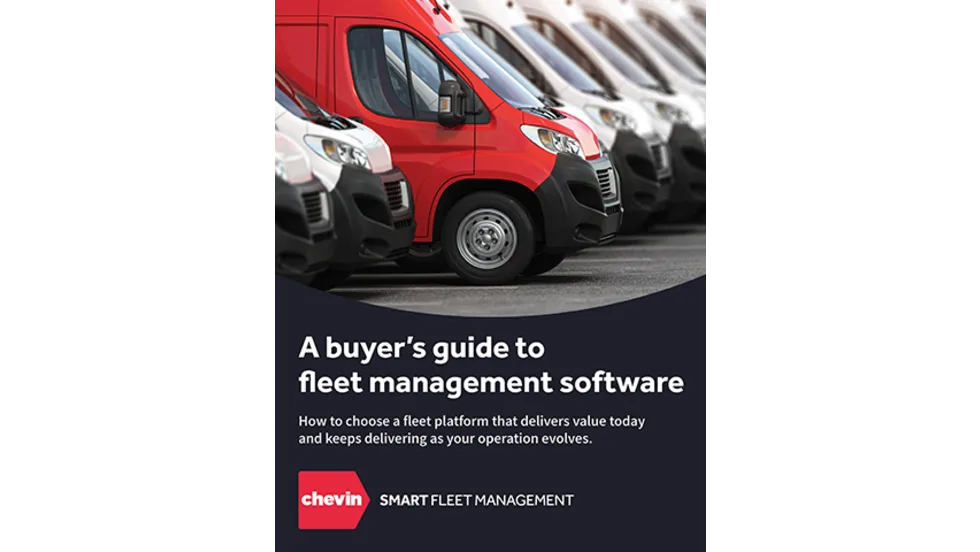
A buyer's guide to fleet management software in 2027
Buying fleet management software in 2027 means looking beyond features and price. As fleet operations, technology and expectations evolve, this guide explores what today’s fleet professionals should consider when choosing a system that can deliver value now and adapt to what comes next.
Read More →

What Will Shape the Next Era of Fleet Management?
EVs, AI, and autonomous vehicles are reshaping fleet management. Discover what’s ahead—and how fleet leaders can prepare for the next era.
Read More →
How Fleets Can Recruit and Train Veterans for Technician Roles
Here's how the technician shortage has affected uptime for fleets, and what to do about it.
Read More →
Avis Budget Group Deploys Neology Toll Management Technology Across Major Brands
Neology’s neoFleet platform will manage toll transactions and toll-authority operations for vehicles across Avis, Budget, Payless, Budget Truck and Zipcar.
Read More →
Fleet Personal-Use Charges Edge Higher in 2026
Nearly eight in 10 surveyed fleets allow personal use of company vehicles, while just over half of respondents report charging employees for the privilege.
Read More →
The Future of Fleet + What’s Changing Right Now | AF News Recap
Could developments overseas offer a preview of what’s coming for U.S. fleets? This week, we’re looking at the future of AI, autonomy, and electrification, plus Ford Pro’s new certified pre-owned program, smarter vehicle offboarding, and a new way for fleets to manage toll expenses.
Read More →
How to Handle Vehicle Offboarding
What do fleet managers need to do when a driver leaves?
Read More →
Fleet Manager’s Ultimate Playbook: Navigating the New Standard in OEM Connectivity
Rising operating costs, driver safety concerns, and unplanned downtime are putting unprecedented pressure on modern fleets. Discover how fleet managers use embedded OEM connectivity and real-time vehicle data to cut TCO, prevent downtime, and protect drivers without aftermarket telematics hardware.
Read More →