




Vehicle Complexity is Introducing New Fleet Costs
Fleet vehicles last longer. They are safer. They are more technologically advanced. Quality has never been higher. But, as a result, they are much more complex. Automotive technology helps reduce fleet costs, but, in other instances, it introduces entirely new fleet costs, which were hitherto unknown.

Fleet vehicles last longer. They are safer. They are more technologically advanced. Quality has never been higher. But, as a result, they are much more complex. Automotive technology helps reduce fleet costs, but, in other instances, it introduces entirely new fleet costs, which were hitherto unknown.
All of this is part of a long-term trend to migrate new technology from high-end vehicles to less-expensive models in a manufacturer’s lineup. New automotive technology is often first introduced in high-end models and, in later model-years, it proliferates downstream throughout the brand’s model lineup.
The proliferation of vehicle complexity is contributing to higher repair costs. Eric Strom, maintenance product manager for GE Commercial Finance Fleet Services, cites several examples. In some models, the radio is integrated into a navigation/GPS module, which means the entire module may need replacing to repair the radio/CD player. Another example is keyless entry, which embeds a microchip in the key to start a vehicle. If the key is lost, some manufacturers require changing the entire module that controls the starling circuit in the vehicle, which may cost $ 1,000 in some models.
Increased penetration of hybrid vehicles into commercial Heels in the future may further exacerbate this issue. As hybrid technology proliferates, you will see more repair shops less likely to lake on some vehicle repairs because of the type of equipment required to work on them and the associated safely concerns.
As vehicles become more complex, some work is beyond the expertise of the average national account repair shop. The increased use of electronics and modular units is driving some repairs away from national account vendors to franchised dealers. In fact, some national account vendors have a list of repairs that are not allowed at a store level because of the complexity. As a result, more vehicles will go to dealerships to service electronics, GPS systems, hybrid powertrains, and so on. Vehicle complexity has increased labor hours, labor rates for more specialized repair technicians, diagnostic times, and parts prices.
Complexity Increases Accident Repair Expense
The technology content of vehicles that must be replaced following an accident has pushed the average cost of a fleet accident to an all-lime high. Three years ago, the average car was equipped with only two airbags. Today, live or even six airbags in a vehicle is not unusual. This increases repair costs because these airbags need to be replaced following their deployment in an accident. In a frontal collision, fleets, at a minimum, need to replace the driver and passenger-side airbags, along with knee airbags, which deploy at the same time. In addition, many fleets err on the side of caution and replace all airbags in the vehicle, even if they did not deploy. “One reason for higher accident repair costs is that most shops are uncomfortable replacing airbags and electronic sensors,” said Vincent Brigidi, director, strategic account services of The CEI Group. “They typically sublet these repairs to a franchised dealer, who works at a higher dollar-per-hour rate. A car with $ 10,000 in damage three years ago would today, if involved in the same accident, most likely have $ 12,000 to $ 14,000 damage because of the additional deployed airbags,” said Brigidi. “A car with live or six airbags is more likely lo be declared a total loss than a comparable vehicle three years ago, because the repair costs are higher even though the accident damage may be the same.”
70% of Fleet Maintenance Expense is PM
Higher vehicle quality is encouraging fleets to keep units in service longer. Using an analogy, approximately 70 percent of an average person’s lifetime medical expenses occur in the last live years of life. This analogy applies to automobiles. “Almost 35 percent of a vehicle’s lifetime operating costs occurs in the 68,000-80,000-mile range.” said Strom. Preventive maintenance expenses and replacement of wear items account for 70 percent of a fleet’s total maintenance expenses. New automotive features create new PM costs. For instance, replacement cabin filters that cost approximately $50 each are required in many new vehicles. This expense didn’t exist 10 years ago. Other models now use more expensive (but longer-lasting) ceramic brake pads and ceramic composite rotors.
New technology may inflate PM costs. There are early signs of increased costs lo maintain tire pressure monitoring systems (TPMS) installed on many fleet vehicles. “The increased cost relates to resetting the TPMS system when rotating tires.” said Mark Lange, maintenance customer service specialist for GE Commercial Finance Fleet Services. “OEM systems are all unique, so it’s difficult for repair shops to maintain. For one system, the mechanic must literally run back-and-forth between individual tires and the vehicle interior to reset the system.’’ added Lange. “We have seen auto tire rotation priced as high as $100.”
In future model-years, vehicles will become even more complex, incorporating brake-by-wire and steer-by-wire technologies, adaptive cruise control, lane departure warning systems, telematic devices, and more hybrid powertrains. As vehicles grow in complexity, so too will fleet management.
Let me know what you think.
More Operations

How Coca-Cola United Protects Its Fleet from Growing Legal Risk
Growing legal exposure can put fleets at risk. Here's one company's approach.
Read More →
Fleet Managers Think They Understand Their Costs. The Data Says Otherwise.
Most fleet managers say they have a strong handle on their costs, but new research from Bobit Business Media tells a different story. A 2026 survey of 190 fleet professionals reveals a widespread "confidence gap" where fragmented systems, disconnected data, and delayed reporting are leaving major blind spots hidden beneath the surface. Find out what the data actually shows.
Read More →
Cameras, Safety and Insurance: From Reactive Claims to Real-Time Prevention (Part 2 of 2)
Part Two: Commercial auto remains one of the most challenging and costly lines of coverage for fleet operators and insurers alike. Continue learning more about how to effectively address these issues from Onur Aksan, Enterprise Business Development Executive, Geotab
Read More →


New Trucks, AI & Summer Downtime | AF News Recap
From new truck updates to AI-powered driver coaching and summer maintenance tips, this week's fleet headlines are all about keeping things moving.
Read More →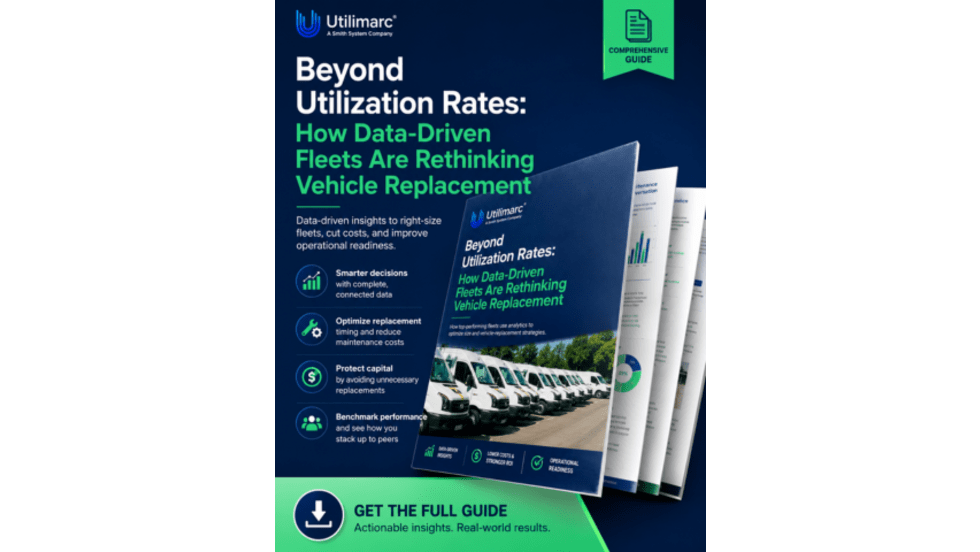
Beyond Utilization Rates: Smarter Fleet Replacement Decisions
Vehicle replacement decisions affect every aspect of fleet performance, from operating costs to asset availability. This guide explores how fleet leaders use integrated data, benchmarking, and lifecycle analytics to determine the right fleet size and optimize replacement timing with greater confidence.
Read More →
Slate Debuts Colorful, Unique EV Models
A recent media and client event, studded with electric vehicles dressed up on platforms, planted a new position for the manufacturer in the wider EV market. Fleets will find cost-saving advantages.
Read More →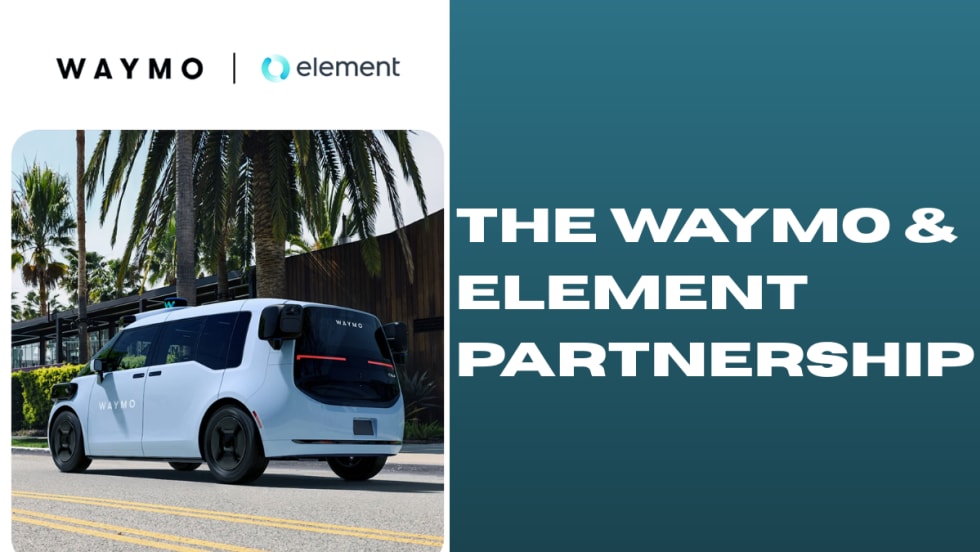
Element, Waymo Partner on Autonomous Fleet Operations
The multi-year agreement will support fleet management services for Waymo's autonomous ride-hailing operations, beginning in San Diego.
Read More →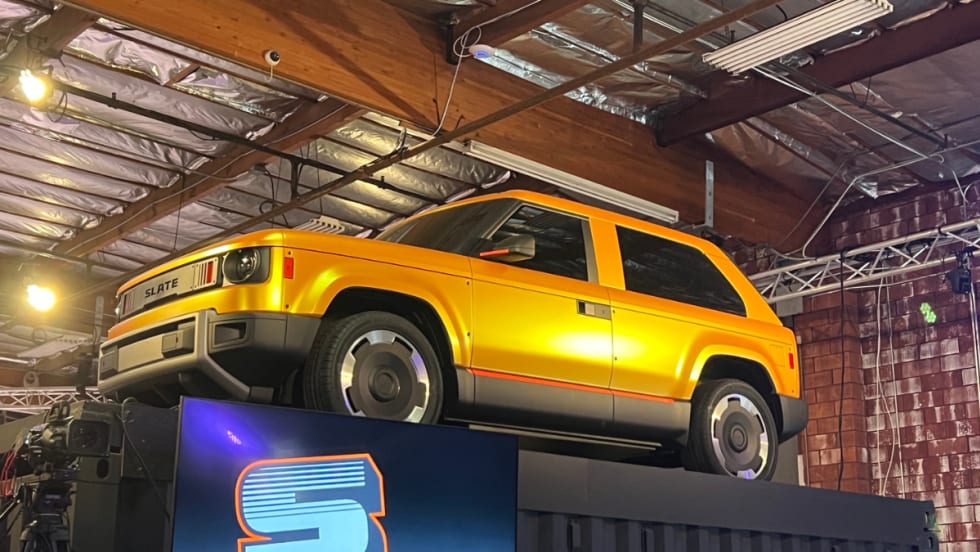
Slate Electric SUV, Pickup Switchable Model Aims For Light-Duty Fleets
Everything about this EV is counterintuitive and understated, making it stand out from the crowd.
Read More →
How to Manage Conflict for Your Fleet Operations
Conflict management is becoming a core leadership skill. Here are five strategies fleet leaders should know.
Read More →
Turning Connected Vehicle Data Into Decisions That Matter
Fleet leaders have more data than ever, but turning that data into clear, actionable decisions remains a challenge. This white paper shows how leading organizations are using connected vehicle data to improve safety, reduce costs, and optimize fleet performance. Learn how to turn insight into action across your fleet.
Read More →