




Usage and Maintenance Tips for a Propane Dispenser
An advanced propane autogas dispenser can be installed and function just like a gasoline or diesel dispenser, which helps drivers transition easily.
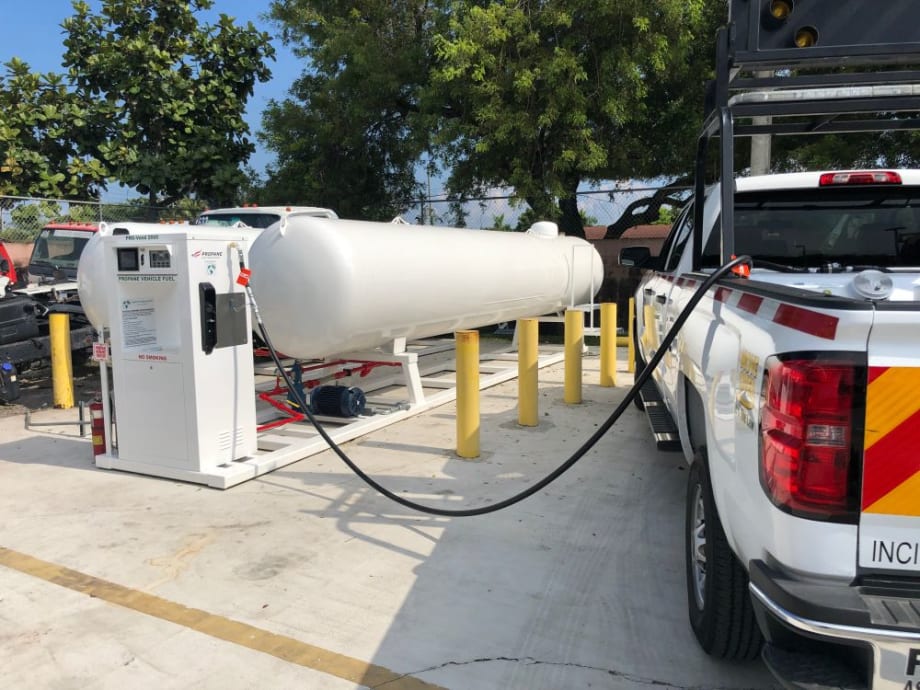
Advanced propane autogas dispensers, like the Superior Energy Systems PRO-Vend 2000 shown here, are fully integrated and customizable web-based units.
Photo: Superior Energy Systems
- An advanced propane autogas dispenser can be installed similar to traditional gasoline or diesel dispensers.
- The familiar setup of these dispensers facilitates a smooth transition for drivers.
- Usage and maintenance are straightforward, akin to conventional fuel dispensers.
*Summarized by AI
Installing and using propane autogas refueling infrastructure is simple and easy and fleets appreciate the advancements in infrastructure equipment. An advanced propane autogas dispenser can be installed and function just like a gasoline or diesel dispenser, which helps drivers transition easily.
The necessary equipment does not require excessive space; the average footprint of an autogas refueling station is 300 square feet.
In addition, propane autogas dispensing is a closed-loop system and new technology allows for almost zero fugitive emission, eliminating additional safety concerns.
Propane Autogas Refueling Steps
- Turn off the vehicle. Know and follow fueling site/fleet Personal Protective Equipment (PPE) requirements.
- Check to make sure that there are no open flames or other ignition sources within 25 feet of the vehicle.
- Open the fuel door.
- Unscrew the dust cap from the vehicle fill valve.
- Check the seal, gasket or O-ring for tears, breaks or cuts. If damaged/missing, do not dispense until replaced.
- Remove the nozzle from the dispenser.
- For acme refueling nozzles, screw the nozzle firmly on the vehicle fill valve, ensuring a proper connection. An improper connection could cause a leak or malfunction.For quick-connect (K-15) nozzles, push the nozzle over the fill valve and ensure it is engaged; the nozzle will not fill the vehicle if it is not properly attached.
- Activate the dispenser. When the fuel level in the tank reaches 80% storage capacity, the fuel flow will automatically stop.
- When you first release the handle and/or when you unscrew the nozzle, a short, small release of autogas vapor may occur.
- After unscrewing/releasing the nozzle:
- Return the nozzle to the dispenser
- Replace the cap on the vehicle fill valve
- Shut the fuel fill door.
- If applicable, record refueling information.
Maintaining Propane Autogas Skids & Dispensers
Propane autogas stations require little maintenance which with training, can typically be handled by the fleet.
Maintenance needs include:
- Hoses: visual inspection; replace if worn or leaking
- Nozzle (acme or K-15): Lubricate the nozzle using a light lubricant
- Pull-away: lubricate swivel and exercise to test break-away
- Emergency stop button: test to make sure valves close and power is disconnected when emergency buttons/pull cables are used
- Cabinet: wash outside of cabinet (do not use high pressure water); paint if necessary
- Valves (skid): exercise valves; this includes nitrogen emergency stop buttons and pull cables attached to internal valves on the tank
- Pumps (skid): see pump manufacturers recommendations (not all pumps require grease)
- Nozzle (acme style): clear internal strainer using the recommended intervals or when cleaning the main strainer in the piping system
- Strainers (skid): check strainers for buildup
- As needed:
- Computer screen: clean screen with cotton cloth and mild detergent (do not use ammonia-based products); replace screen protector if needed
- Pumps/motor (skid): make sure to clean snow build up around pump and motor to avoid overheating and possible damage
- Steel skid (skid): paint to prevent corrosion.
Safety First
Regulation and code advancements in propane autogas technology continue to progress, like the recent move by NFPA 58, which now mandates the K-15, quick-connect style inlet on vehicles as an industry standard.
The K-15 nozzle allows for nearly zero escaped emissions at release and is extremely user-friendly – like a gasoline or diesel dispenser. The new nozzle technology also eliminates the requirement for PPE. There have also been advancements and adaptations made for public refueling – making is easier for fleets to offer public use of their autogas dispenser, should they wish.
Regardless of advancements and innovation, safety remains top priority when utilizing any refueling system, so it is critical that all users are made aware of those procedures and safety habits.
Safe Dispensing Habits
- Keep the dispensing area clear except for objects necessary for dispensing.
- Vehicle ignition must be off before dispensing autogas.
- All ignition sources must be a minimum of 25 feet away from the refueling site.
- Do not strike matches or light a cigarette lighter.
- Do not smoke.
- Avoid sources of static electricity.
- Do not use cell phones.
- Report any propane leaks immediately.
- Follow fleet PPE requirements.
- Make sure all employees are trained in the safe practices and handling of propane autogas. They should be familiar with the operation, maintenance, and safety/emergency features of autogas dispensing systems. Education and safety resources are available from the Propane Education and Research Council.
Web-Based Software for the Win
Advanced propane autogas dispensers, like the Superior Energy Systems PRO-Vend 2000/2500 units, are fully integrated and customizable web-based units. These dispensers track key data like driver and vehicle identification, vehicle mileage, and gallons pumped for a virtually unlimited number of vehicles, drivers, and customers.
All fleet information can be accessed by the fleet in real time and they can create customizable reports, without the need to purchase and install separate technology. The dispenser software can be updated remotely, through a cloud-based management system, removing the need for multiple site visits and ensuring the most up to date technology.
Software system instructions are provided by the manufacturer.
About the Author: Crystelle Marley is the marketing director for Superior Energy Systems.This article was authored and edited according to WT editorial standards and style to provide useful information to our readers. Opinions expressed may not reflect that of WT.
Quick Answers
A propane autogas dispenser is designed to function similarly to gasoline or diesel dispensers, allowing drivers to use the same processes they are accustomed to, facilitating an easier transition.
*Summarized by AI
Originally posted on Work Truck Online
More Global Fleet
GeoFencing Adds to Your Truck Security Arsenal
Geofencing is a familiar fleet tool today, but its early adoption marked a major shift in vehicle tracking, route monitoring, and the debate over employee privacy.
Read More →
Holman Takes Full Ownership of ARIZA in Mexico
Holman is bringing its Mexican fleet management operation fully under its own brand after more than 30 years as a joint venture. The change gives multinational fleet customers a single Holman operation across the U.S., Canada, and Mexico.
Read More →
5 Tire Maintenance Tips to Help Prevent Work Truck Downtime
Regular tire checks can do more than extend tread life. These five maintenance practices can help work truck fleets catch problems early, reduce costs, and prevent downtime.
Read More →

Proven Ways to Reduce Work Truck Downtime
The age-old problem of downtime will always be a reality, but with new strategies at hand, fleets have more ways to keep trucks on the road longer.
Read More →


Cameras, Safety and Insurance: From Reactive Claims to Real-Time Prevention (Part 2 of 2)
Part Two: Commercial auto remains one of the most challenging and costly lines of coverage for fleet operators and insurers alike. Continue learning more about how to effectively address these issues from Onur Aksan, Enterprise Business Development Executive, Geotab
Read More →
Cameras, Safety and Insurance: From Reactive Claims to Real-time Prevention
Commercial auto remains one of the most challenging and costly lines of coverage for fleet operators and insurers alike. Learn more about how to effectively address these issues from Onur Aksan, Enterprise Business Development Executive, Geotab.
Read More →
Fleet Costs Are Rising: Here’s How Leaders Are Responding
Fleet leaders are under pressure to reduce costs, adapt to economic uncertainty, and make smarter decisions. See how peers across North America are responding with real data, proven strategies, and forward-looking insights. Download the 2026 Market Pulse Report to benchmark your strategy and uncover where you can gain an edge.
Read More →
Enterprise Fleet Management Surpasses 900,000 Vehicles in U.S. & Canada
Enterprise Mobility connects with mobility solutions around the globe
Read More →