




Understanding the Critical Role of the Utility in Fleet Electrification
With electricity rate fluctuations of up to 200% daily, its essential for fleets to view their local utilities as partners and engage them before placing an order for the first electric vehicles.
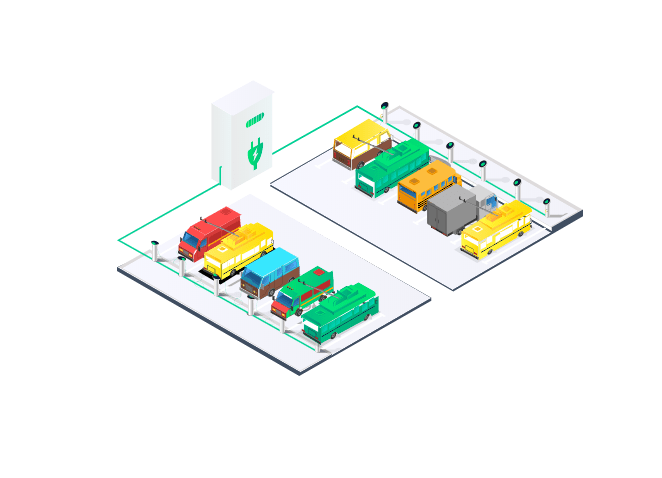
Proper planning and engagement can aid in the smooth transition to fleet electrification.
[EMPTY CREDIT]
Adding electric vehicles to your fleet is not as simple as selecting the vehicle you want and ordering it. Unlike diesel and gasoline powered vehicles, you can’t just pull into a truck stop and plug in your EV to recharge the battery. At least not yet.
But don’t let this scare you off from considering bringing electric vehicles into your operation. Proper planning will help you have a smooth transition to a hybrid or electrified fleet. Even if you’re not an expert on charging infrastructure or fleet electrification, there are resources at your disposal: a local utility can provide helpful guidance and it’s quite likely they already have experience assisting other fleets with electrification efforts.
Engage Your Utility First
When it comes to electricity, rates can fluctuate up to 200% in a given day depending on when and how quickly it’s used. To put things in perspective: imagine if the price of oil varies based on when and how fast you filled the tank. Think how difficult it would be to plan and budget properly.
The 3,300 electric utilities in the U.S. have varying tariffs structures, peak demand rates, time of use charges, etc.; all of which impact what you will be paying to charge your vehicles. Therefore, it is imperative that you work with your local utility and not rely on general information about needed electric charging infrastructure, rates, etc.
So before you even place an order for an electric vehicle, you first want to speak with your electric utility company. They can not only give you information on your current electrical infrastructure, but can also tell you about special, local funding opportunities that might be available to defray costs. They can assist with everything from your substation to your transformer through to your meter.
Each case is unique and should be dealt with on an individual basis by working in tandem with partners and utility company staff.
Utility as Consultant
Fleet managers also need to determine exactly what their operational needs are going to be, and how charging will fit into this. How many EVs are you planning to add to the fleet? Will they all need to be fully charged at the end of each day? Will they all be charging at the same time of day or will they be returning to the yard at different times and therefore charging throughout the day?
Here again you can bring in a utility partner or specialist consultant to help you model multiple charging scenarios. They can also help you build out an infrastructure that is capable of handling additional charging stations in the future as you bring more EVs into your fleet. When it comes to retrofitting your facility, your energy provider can advise if electrical upgrades may be necessary to accommodate your specific needs.
Now is when you should start thinking about ongoing energy management. This is an area that is often overlooked, but failure to think through how to manage energy and avoid demand charges could result in costly surprises on your energy bills month after month.
Bring up the discussion on load management and best ways to fuel your electric fleet early. Only at this point should you begin constructing the infrastructure and installing the charging equipment.
Don’t Underestimate Planning
In its Guidance Report, Amping Up: Charging Infrastructure for Electric Trucks, The North American Council for Freight Efficiency found that, “Because of the nature of EV charging infrastructure, utilities will need to be involved in the planning and implementation processes as partners, and because they are subject to much regulation and government bureaucracy, it’s best to engage them early, as planning and permitting can take over a year.”
In addition, the report found, “Planning and permitting for charging infrastructure can be very time-intensive process.” This means you need to begin the process well before you take possession of your first electric vehicle. NACFE advises that “infrastructure planning, negotiating, funding, permitting, installation, and certification can take much longer than procuring the [vehicle] itself.”
While different from diesel and gasoline powered vehicles, there is no need to shy away from electric vehicles. With some careful, early planning you can seamlessly integrate them into your current operation.
Muffi Ghadiali is founder and CEO of Electriphi Inc., a developer of EV fleet and energy management solutions. Electriphi offers a planning tool to help fleets begin to electrify their fleets.
More Fleet Forward

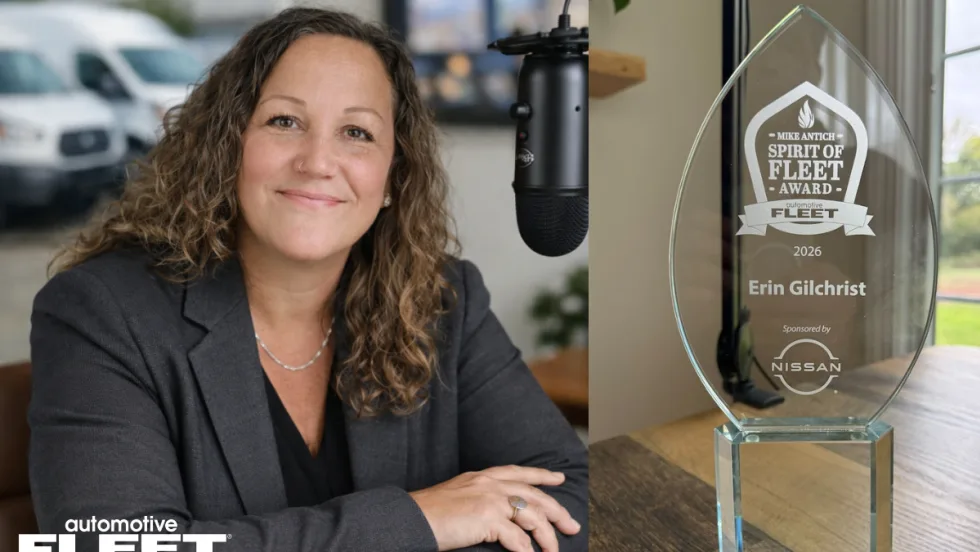
Erin Gilchrist Receives Mike Antich Spirit of Fleet Award
Last week at AFLA in Vegas, Erin Gilchrist received the inaugural, brand-new Spirit of Fleet Award.
Read More →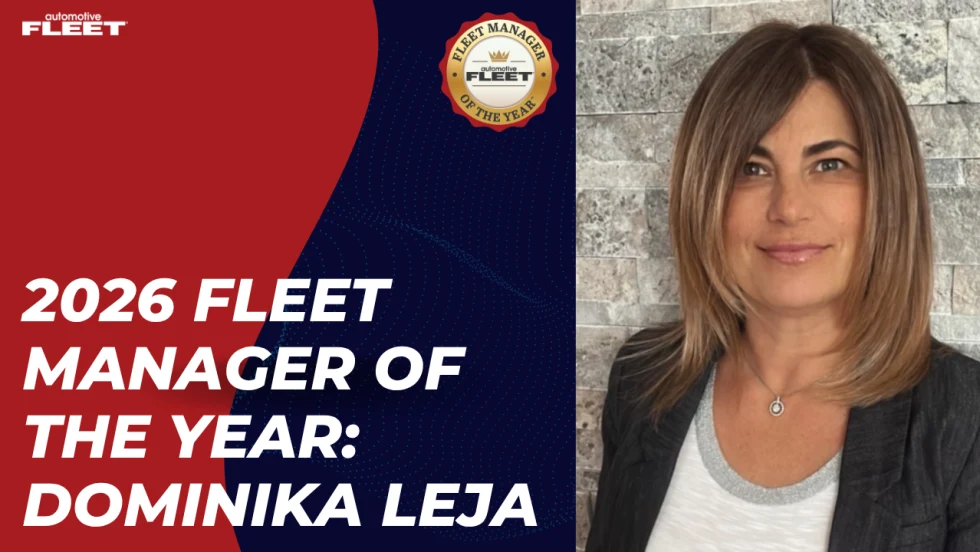
Dominika Leja Named the 2026 Fleet Manager of the Year
The AstraZeneca associate director of fleet was recognized for her leadership in fleet electrification, cost savings, and operational transformation.
Read More →
Jamie McKay Named the 2026 Fleet Visionary Award Winner
The Aptive Pest Control fleet manager was recognized for her approach to operations, data, lifecycle management, and driver needs.
Read More →
Fleet Forward Conference Introduces One-Day Passes for 2026
New one-day registration gives fleet professionals the flexibility to attend Tuesday, Wednesday, or Thursday, with passes available for $199 through Sept. 18.
Read More →
Vibe Coding: When Fleet Managers Become Software Builders
Five fleet professionals — none with programming skills — discuss how they’re using AI to build fleet solutions in-house and in a fraction of the time.
Read More →
Fleet Forward Conference Tackles Fleet Industry’s Growing Leadership Gap
This session will examine succession planning, knowledge transfer, and the skills the next generation of fleet leaders will need as veteran professionals leave the industry.
Read More →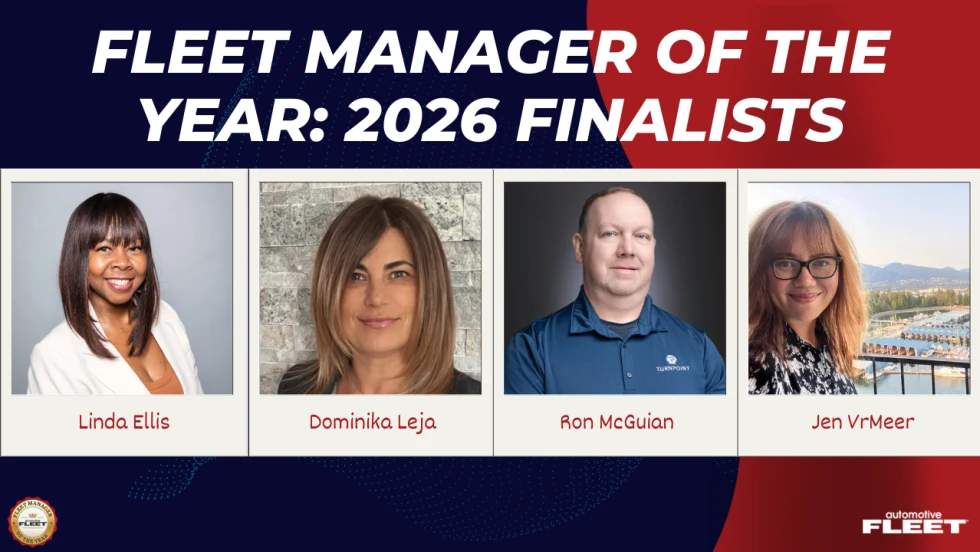
2026 Fleet Manager of the Year Finalists Announced
Who are the 2026 Fleet Manager of the Year finalists?
Read More →
John Rossant to Deliver Opening Keynote at 2026 Fleet Forward Conference
The CoMotion founder will draw on developments across Europe, China, the Middle East, and other international markets to identify trends that could influence how U.S. fleets plan for the coming decade.
Read More →
How to Build Custom Fleet Tools With AI and Vibe Coding [Webinar]
A new Automotive Fleet webinar explores how fleet managers are using AI and vibe coding to automate routine work and create simple operational tools without traditional programming skills.
Read More →