




Tips for Safer Winter Driving
For commercial drivers, winter can sometimes pose dangerous and even deadly conditions. Fleet drivers can follow these eight strategies to remain safe behind the wheel when faced with snow, sleet and frigid temperatures.

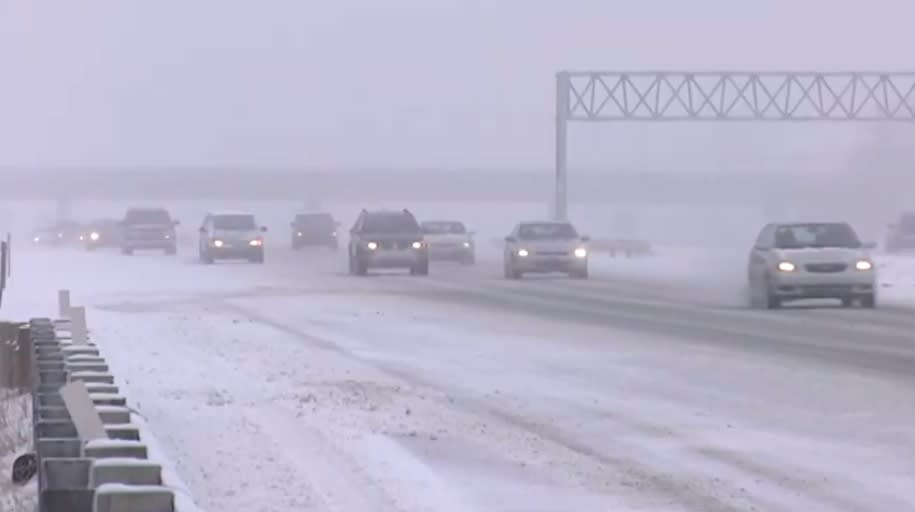
Fleet drivers can follow these eight tips for increasing safety when driving in winter months.
Screenshot via Michigan DOT.
Over 200,000 motor vehicle collisions a year occur in wintry conditions, and about 1,300 people are killed in car crashes on snowy or icy roads every year. Another 76,000 people are injured in traffic accidents during snowfall.
For commercial drivers, winter can sometimes pose dangerous and even deadly conditions. Now is a good time to remind your drivers of strategies to remain safe behind the wheel when faced with snow, sleet and frigid temperatures.
Experts recommend the following steps before hitting the road:
Gather Weather and Road Info
Information is your ally. Drivers should check the forecast as well as the roads on their route to have some idea as to what to expect. It’s always best to know if a storm is coming, so you can prepare in advance.
Check Your Tires
Double check to make sure your tires are in good shape. In snowy and icy conditions, good traction is your best friend. Make sure your tires have the appropriate tread depth and are inflated to proper pressure.
Remove Snow and Ice
A vehicle covered in snow is a hazard to the driver as well as other roadway users. Drivers should take the time to clear snow and ice off the windows, roof, lights and license plates, You’ll have better visibility and also prevent snow from blowing onto other vehicles which can pose a significant danger on the road.
Once on the road, drivers should do the following:
Slow Down
In adverse weather, the handling capabilities of any vehicle are greatly reduced. That’s why it is critical to slow down; now is the time to be prudent. The slower you go, the more time you have to react to dangerous skids or sudden whiteouts in a blizzard.
Increase Following Distance
in wintry weather conditions experts recommend two-times the normal following distance. Once again, this gives the driver more reaction time should something unexpected happen on a slick road.
Drive in the Tracks of Others
In snow, it can be helpful to drive in the tire tracks of the vehicle ahead. The path has already been cleared, and while still slick, it may be a bit less slippery than fresh snowfall.
Use Headlights
If there is precipitation of any kind — sleet, hail, or snow — drivers should turn on the headlights for increased visibility.
Avoid Distractions
Winter weather means it's easy to slip and slide if you’re not intently focused on the road. Avoid cell phones, radios, navigation systems and eating, and you’ll be in a far better position to maintain control of your vehicle and stay safe.
More Safety
Tips for Driving Safely on Halloween Night
This video features a reminder from the Connecticut Department of Transportation (DOT) and the Connecticut Police Chiefs Association, urging drivers to prioritize safety this Halloween.
Read More →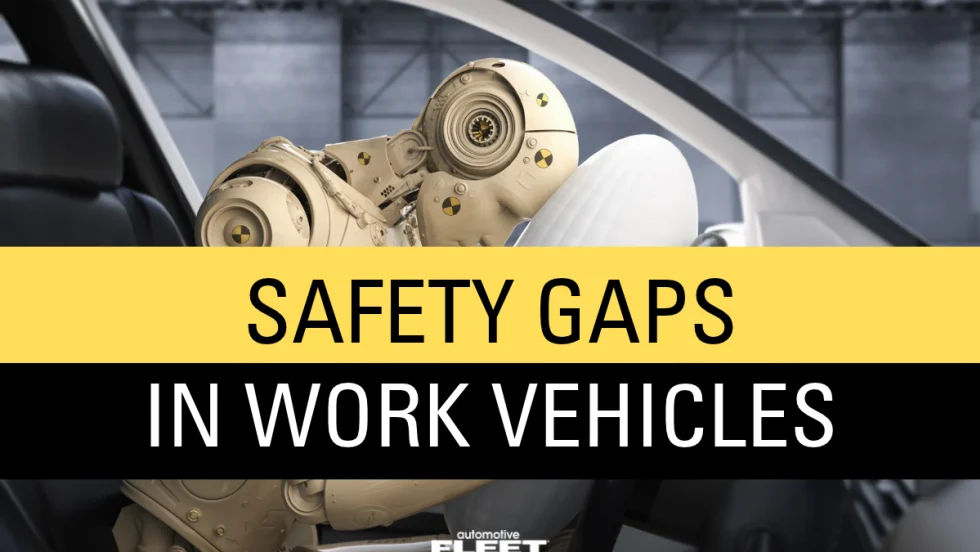
IIHS Crash Avoidance Tests Reveal Safety Gaps in Cargo Vans and Work Trucks
New crash-avoidance ratings from the Insurance Institute for Highway Safety reveal inconsistent performance among commercial vehicles, with several popular cargo vans and heavy-duty pickups struggling to avoid collisions with other vehicles and pedestrians.
Read More →
What’s Next for Fleet? Safety, AI & Industry Recognition | AF News Recap
Could your company's culture be encouraging distracted driving? This week, we're exploring how workplace expectations affect driver safety, what AI, EVs, and autonomous vehicles could mean for the future of fleet management, and how fleet professionals can strengthen their award nominations.
Read More →
Does Your Fleet's Culture Encourage Distracted Driving?
What happens when the people responsible for enforcing safety rules are the ones setting the wrong example? The answer may reveal why some of the biggest risks to fleet drivers have little to do with what's written in the employee handbook.
Read More →
Fleet Manager’s Ultimate Playbook: Navigating the New Standard in OEM Connectivity
Rising operating costs, driver safety concerns, and unplanned downtime are putting unprecedented pressure on modern fleets. Discover how fleet managers use embedded OEM connectivity and real-time vehicle data to cut TCO, prevent downtime, and protect drivers without aftermarket telematics hardware.
Read More →
From Driver Well-Being to EV Charging | AF News Recap
Mental health belongs in the fleet safety conversation. This week, we’re looking at five ways fleets can support employee well-being before a crisis, plus Holman’s expansion in Mexico, new one-day Fleet Forward passes, and why EV charging demand is outpacing infrastructure growth.
Read More →
Nexar-Nauto Merger Aims to Give Fleets Better Safety Intelligence Through Larger Driving Dataset
Stefan Heck tells Automotive Fleet that combining more than 10 billion miles of driving history with Nexar's AI models will give fleets deeper insights into driver risk and roadway conditions than either company could provide independently.
Read More →
Don't Wait for a Crisis: 5 Ways to Build Mental Health Into Your Fleet Safety Program
For Suicide Prevention Month, fleet and safety leaders have an opportunity to put mental health where it belongs: at the center of workplace safety.
Read More →
How Camera Data Can Strengthen a Fleet’s Insurance Renewal
Insights from a commercial insurance carrier and a broker show how fleets can turn video telematic data, driver coaching, and improved claims results into a stronger case at insurance renewal.
Read More →
The Safest Fleets Aren’t the Ones with the Most Technology
You’ve made the telematics investment. Here’s how to capture the other half of its value and build the safest fleet on the road.
Read More →