


About the Author
Hamid Dean is National Fleet Manager & Facilities Leader for 3M Canada.
 MENU
MENU SEARCH
The pandemic changed the way we commute, work, and interact with one another. Considering driver wants, fleet trends, and economic realities, is now a good time to rethink how we move about on the company dime?

Everywhere you look, companies are on the news and making broad statements on social media defining how they are evolving – “what the office of the future looks like,” maybe, or “the hybrid working model.” Shouldn’t mobility be regarded with the same lens?
Gettyimages.com/everythingpossible
If you manage a corporate fleet, lately, you have no doubt had to be very creative in terms of how you service your clients. Vehicles, parts, and rental units have no supply to meet demand, while fuel, services, and insurance costs are all on the rise.
The balancing act to make it all work is no longer something that goes on magically behind the scenes, and it’s likely now a standing discussion point with senior leadership. While the pandemic has potentially forced many within your fleet to halt business travel, this has presented fleet managers with an opportunity to look closer at some of their data, chat more with their customer base, and peek over the fence to see what other companies are up to. If you’re like me, the pause has presented an opportunity to think about the future of business travel on the road. Everywhere you look, companies are on the news and making broad statements on social media defining how they are evolving – “what the office of the future looks like,” maybe, or “the hybrid working model.” Shouldn’t mobility and how we move around be looked at with the same lens to keep up with the times?
I start here because I think this is where we’ve become a little too comfortable. At the very first step. I hypothesize that given certain roles or certain titles, it was a rite of passage that a vehicle should be given to employees. Okay, but does that have to hold true forever?
If a vehicle and all associated costs are contractually understood to be a form of compensation, then on the surface, this type of program is fairly easy to understand. But, in a time when significant focus is spent on putting our best ecological foot forward, can we honestly say that handing out vehicles to employees is truly a sound and sustainable choice? More and more, survey data shows that current employees, future employees, shareholders, and other citizens not only care about your bottom line, they are also highly interested in what you value. They are watching your carbon footprint and seeing if you truly walk the talk. This is not at all a commentary about employees deserving less compensation, but rather, an insight that we should give more thought to providing renumeration in a socially responsible type of way where applicable.
Now, what if the vehicle is defined first as a tool to help do a job? If your vehicles fall into this category, this is where I feel it’s time to peel back the layers further. Traditionally, we have not questioned the tool needed to do the job. The role requires travel, therefore one requires an assigned travel tool. That’s a very linear and simplified thought. The need is to move around, but is there only one way to travel? Certainly not.
Fleet policies govern what happens when you get an assigned vehicle. They do not dictate how you should move around. The introduction of mobility policies would largely help organizations to understand what are the transportation tools available to them, rather than thinking there is only one tool available to do a job. It’s important to mention that there are so many different ways to travel around efficiently, and also that technology has significantly bridged the gap when it comes to face-to-face interaction. I know that some will say there is no substitute for meeting in person. I can concede that point. It needs to be acknowledged, however, that the company certainly deserves the right to explore and benefit if the opportunity avails itself from advances in ride sharing, public transportation, conferencing software, and flexible working arrangements. Remember that fleet costs are creeping up to be amongst some of the highest indirect costs within your budgetary spend, so exploring this area further is prudent.
In all of this, there is a decision tree out there mapping what makes sense for each situation. Are your employees driving less now post-pandemic to fulfill business? Are certain fleet goals tied to corporate sustainability goals? Would employees prefer to pick out their own type of vehicle rather then what is offered? Are you going to be able to facilitate the move to EVs on a broad scale? Are you having to play wack-a-mole with your fleet policy to keep up with all the things that happen behind the wheel? Are the manufacturers providing the same incentives that they used to and helping make your fleet program financially viable? These are some of the factors to consider and respect from multiple angles, and which can guide what acceptable mobility should look like in your company.
This is a political topic, as people feel very strongly and personally about fleet vehicles. For sure, many stakeholders need to be engaged, and lots of discussions need to take place before mobility culture can be redefined. Do not forget that the current processes are well rooted and have gone unquestioned for a long time. Don’t expect to be given the green light to proceed on this journey without first being armed with benchmarking data, a solid business case for why this all makes sense, and truly an appreciation and plan for the risks of may ensue.
Mobility is situational and variable. There are obvious places where change can be introduced, but similarly there are very good reasons to have company-provided vehicles. Understanding why a vehicle is being provided to an employee is crucial.
The underlying premise is that we should be open to discovering new possibilities. As stewards of the corporate coffers, we cannot be complicit and blindly accepting that solutions of yesterday are the same that we should use tomorrow.
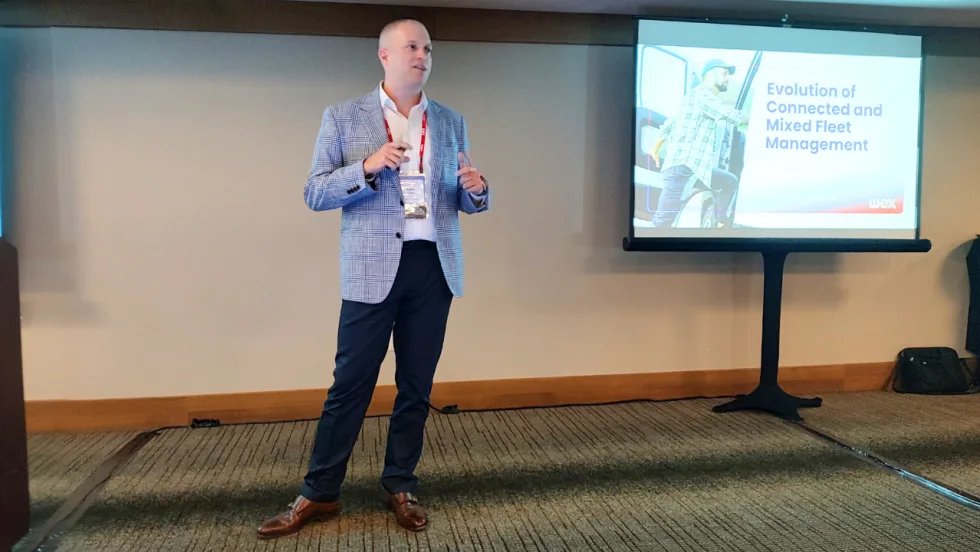
What happened at WEX North America Mobility Summit?
Read More →
USPS, Zipcar, DPD UK, and other fleet organizations were recognized in the 2026 Optimizers Awards for initiatives involving route optimization, automation, AI, and fleet utilization.
Read More →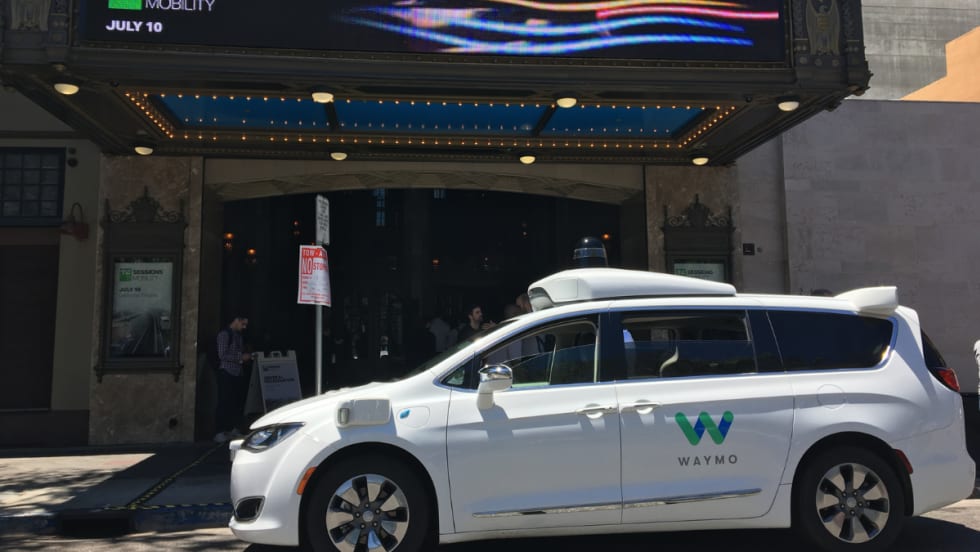
After years of hype and setbacks, autonomy is back on track. But policy, not technology, will determine how fast fleets can deploy them.
Read More →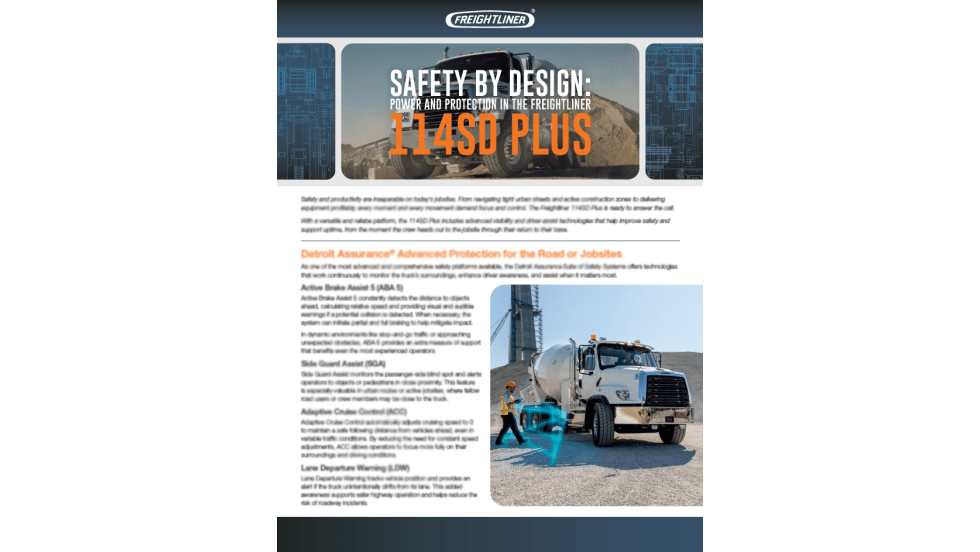
Fleet managers are under pressure to reduce accidents, control costs, and improve operational efficiency. See how advanced vehicle safety technologies are helping fleets operate smarter and safer.
Read More →
The TomTom Traffic Index is based on real-world driving data, comparing actual travel times to free-flow conditions to show how congestion impacts mobility across cities and metro areas.
Read More →
The American Vehicle Owners Alliance (AVOA) recently announced its partnership with the American Automotive Leasing Association (AALA) and the National League of Cities (NLC).
Read More →
Family-founded industry leaders combine to offer an expanded mobility portfolio.
Read More →
AF connected with Element’s David Attard to learn how Car IQ will integrate into Element’s ecosystem and take vehicle-initiated payments beyond fueling and into maintenance, violations, and other service categories.
Read More →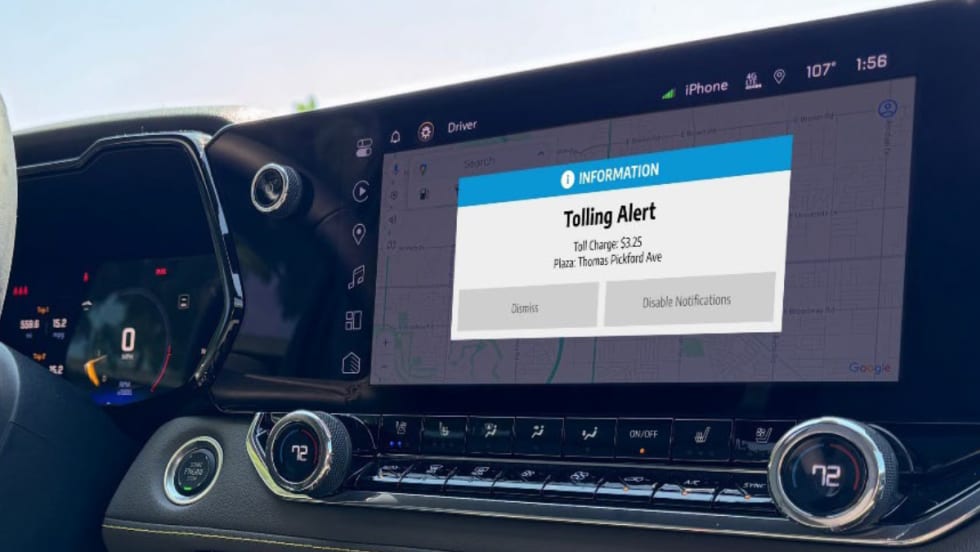
Verra Mobility launched AutoKinex to provide drivers with secure in-vehicle payments and partnered with Stellantis for nationwide tolling.
Read More →
Fleet operators shared their challenges during an annual conference that embraced the latest advances across all aspects of running private- and public-sector vehicles.
Read More →