




Telematics and the Road to Smarter Fleets
As telematics become a standard tool, fleet managers are now looking to move beyond independent systems of asset monitoring, route management, and maintenance reporting.
Transparency Market Research predicts that the worldwide IoT fleet management market will grow to almost $16 billion by 2025. Telematics companies like Fleetmatics and Geotab have laid the foundation for more efficient fleet operations by providing a window into vehicle performance and driver behavior that supports data-backed decisions.
As telematics become a standard tool, fleet managers are now looking to move beyond independent systems of asset monitoring, route management, and maintenance reporting. Instead, top-performing fleets will use holistic, connected solutions that provide access to intelligent trip insights and the ability to improve real-time vehicle performance, regardless of driver behavior. The push to build smarter, more connected fleets — and the technology that optimizes their use — has the potential to make fleet management smarter than ever before.
Going Under the Hood: The Basics of Vehicle Data
Telematics digitizes fleet performance. Data including maintenance needs, fuel usage, location, and more is collected from the vehicle’s Control Modules. This data is aggregated and transmitted from the vehicle via a cellular device into the cloud, where it can be accessed by fleet managers and analyzed into dashboard insights. The vehicle data that is collected for these dashboards comes from two main communication pathways of the Control Modules.
The first pathway carries standard, government-mandated data and follows standard protocol for every vehicle. This is the pathway that technicians access to check vehicle health and historical data, e.g., what the check engine light means or how fast the car has been traveling.
The second pathway is coded with data that is specific to the OEM (Original Equipment Manufacturer) or even to the vehicle, and therefore, more specialized. One example would be a signal that indicates if the driver’s seatbelt is fastened. Both of these pathways provide access to important vehicle system data.
From Insight to Action
Access to these two pathways provides the information that helps fleet managers make data-driven decisions, but insight alone can’t change driver behavior or vehicle performance. If I were to give fleet managers a nickel for every time they chastised a driver for speeding without seeing a difference in that driver’s next shift, I bet many would be able to retire immediately.
The ability to remove the driver’s behavior as a factor in performance, on the other hand, takes fleet intelligence from insight to action. By upgrading a vehicle’s software to automatically operate in a user’s ideal manner, regardless of the driver’s behavior, managers avoid needing to be behind the wheel to keep the fleet running efficiently. (Check out a post on write access for more information on how Derive is upgrading fleets.)
As an example, take vehicles in police and municipal fleets that idle for six to eight hours of a 12-hour shift. With the ability to optimize the RPM at which vehicles idle, fuel consumption is reduced without impeding performance. This increased efficiency delivers significant fuel savings, lowering total cost of ownership and reducing carbon dioxide emissions. The ability to upgrade vehicles also has the potential to enhance driver safety.
Wary of speeding incidents? New technology empowers managers to optimize vehicles so their speed is capped at a user-defined maximum, rather than that of default OEM factory settings. Concerned about lack of seatbelt use? Adjusting the ECM settings ensures that a car’s engine won’t start until the driver’s seatbelt is fastened.
Speeding Ahead to Smarter Fleets
Traditional telematics technology has become table stakes and has proven its value in savings and safety. With the race to fully autonomous vehicles, the evolution of vehicle technology has recently accelerated at an unprecedented rate. Glossy photos of futuristic, self-driving vehicles are exciting, but that future is still years away.
The bridge between yesterday's telematics and tomorrow's autonomous vehicles is built on software solutions that increase the functionality and intelligence of the vehicle. These solutions provide customized and optimized vehicle operations — and they exist today.
This article has been provided by Derive Systems, an automotive technology company. David Thawley is the company’s CEO.
Originally posted on Work Truck Online
More Telematics
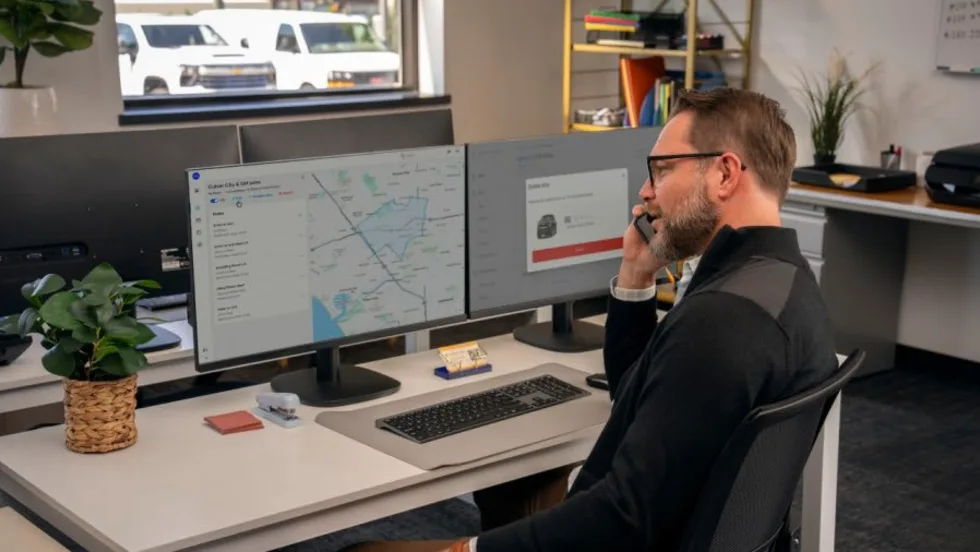
GM Launches OnStar Fleet Intelligence Platform With AI Assistant
The new platform brings vehicle data, order tracking, connected services and fleet analytics into one system, with an AI assistant that can answer fleet questions using natural-language prompts.
Read More →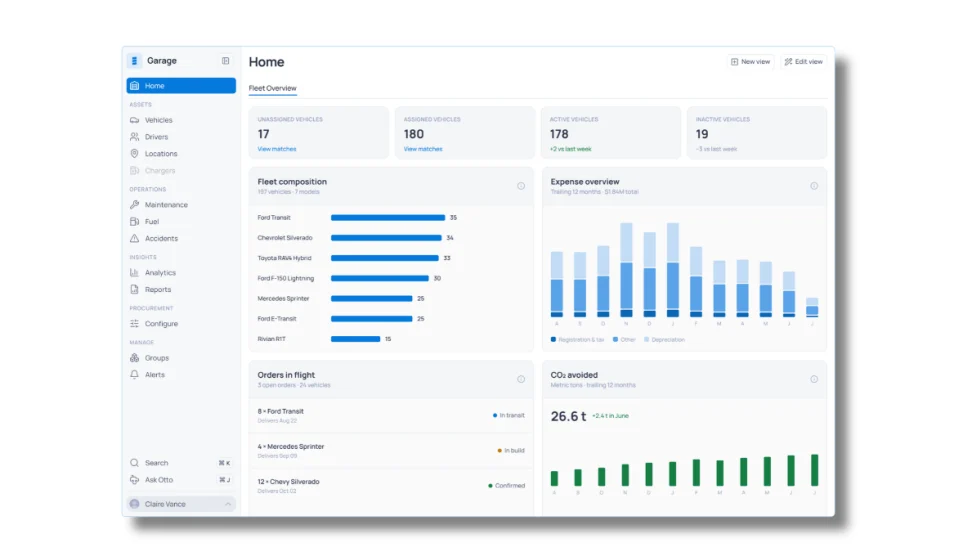
Inspiration Fleet Introduces Garage 2.0 Fleet Intelligence Platform
Fleet managers increasingly have access to data from vehicles, telematics, fuel, charging, and other systems, but those sources don't always communicate with one another. Inspiration Fleet's Garage 2.0 platform brings that information together while letting fleets keep working with different technology and service providers.
Read More →
Inside Inspiration Fleet’s New Platform for Connecting Fleet Data
Inspiration Fleet CTO Chris Getner explains how the new Garage 2.0 platform is designed to connect disparate fleet data and what that could mean for fleet managers in practice.
Read More →
Fleet Manager’s Ultimate Playbook: Navigating the New Standard in OEM Connectivity
Rising operating costs, driver safety concerns, and unplanned downtime are putting unprecedented pressure on modern fleets. Discover how fleet managers use embedded OEM connectivity and real-time vehicle data to cut TCO, prevent downtime, and protect drivers without aftermarket telematics hardware.
Read More →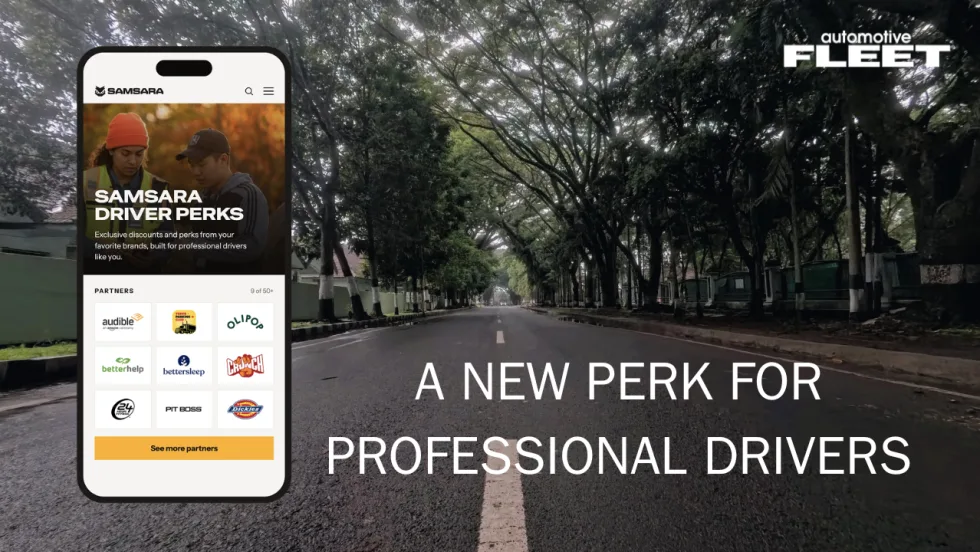
Samsara Driver Perks Adds New Benefit for Corporate Fleet Drivers
The rewards program gives eligible professional drivers access to discounts from more than 50 brands while giving fleets another way to support recruitment, retention, and the driver experience.
Read More →
Inside the Church of Jesus Christ of Latter-day Saints’ Two-Track Telematics Strategy
With 20,000 vehicles and two fundamentally different driver populations, the Church faced a fleet management problem that a single telematics program couldn't solve. How it responded offers a replicable framework for any fleet where one size doesn't fit every driver.
Read More →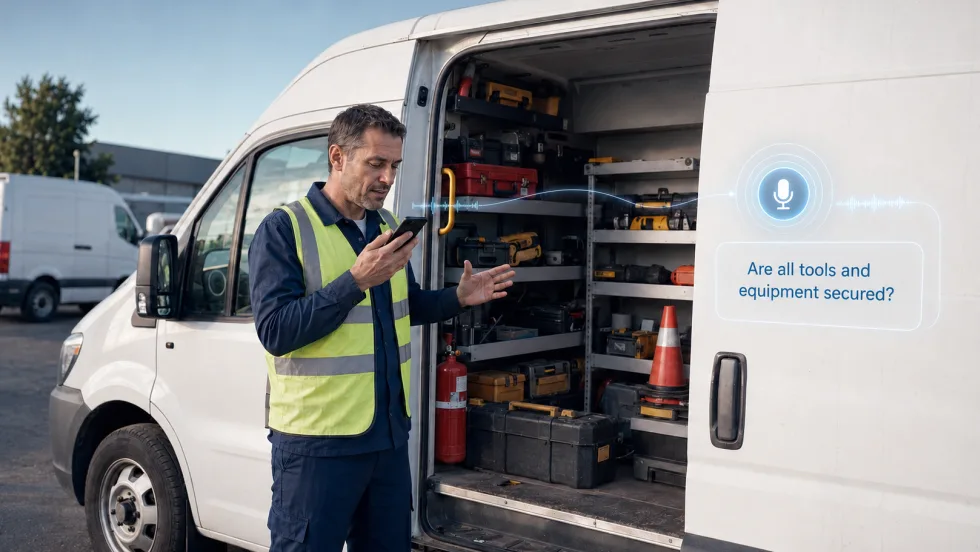
How Conversational AI Can Make Fleet Tasks Easier for Drivers
While most generative AI tools help fleet managers interpret data at their desks, Connex2X is applying voice interaction to tasks behind the wheel.
Read More →
Why Fleets Are Creating Dedicated Fleet Analyst Positions
Are fleet analyst positions the new norm? Listen here to find out.
Read More →
Teletrac Navman Begins Next Chapter as Standalone Private Company
What's new with Teletrac Navman and its new owner?
Read More →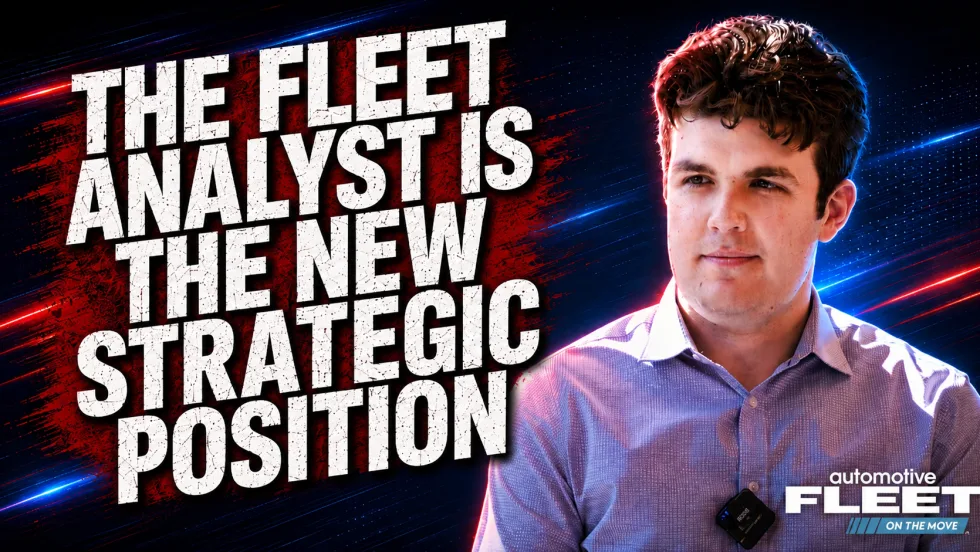
Why Fleets Are Creating Dedicated Fleet Analyst Positions
Telematics, AI, EVs, and connected technologies are generating more fleet data than traditional teams can effectively manage. Reed Jackson explains why dedicated fleet analytics roles are emerging to turn that information into better operational decisions.
Read More →