





Further Reading: Higher Residuals Offset Increased Cost Pressures on Fleet Budgets
Surviving and Thriving in Today's Fleet World
The fleet industry, like so much of American business, is experiencing a confluence of operational and budgeting challenges. In response, one fleet veteran advises relationship building and strategic planning.
June 30, 2022
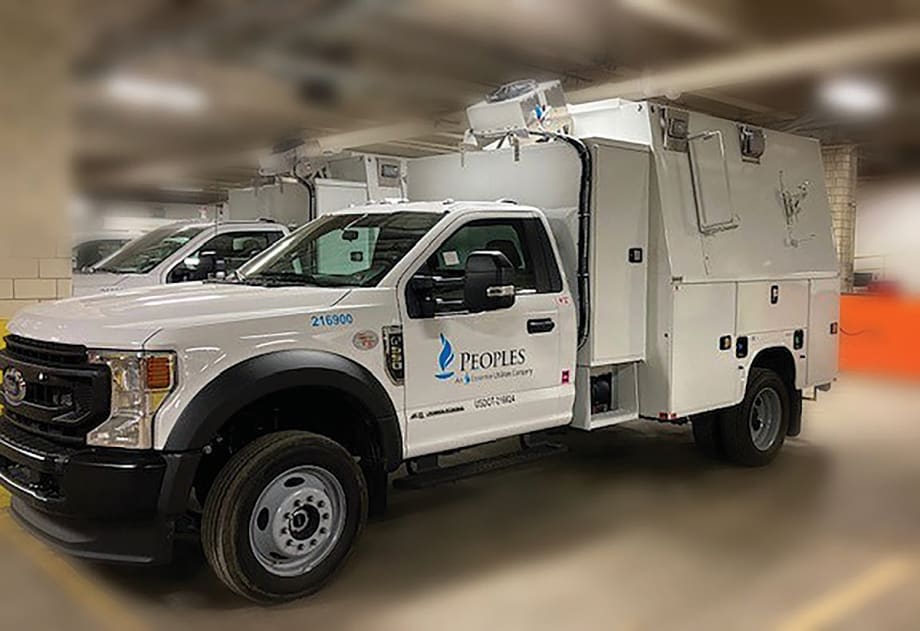
To build business partnerships, Stevenson advises fleet managers “to talk to peers. Attend industry and fleet association events. Which vendors, dealers, or suppliers do colleagues suggest or recommend?”
Photo: Essential Utilities
3 min to read
Relationships and strategic planning are two critical elements in a fleet manager’s toolbox to contend with uncertainties in today’s business world, maintains 35-year fleet veteran Charlie Stevenson.
Good relationships with OEMs and vendors combined with forward-looking strategies will help respond to difficulties posed by a waning global pandemic, supply chain hurdles, doubtful parts resources, and other obstacles besetting corporate operations.

Charlie Stevenson is vice president of fleet for Essential Utilities, one of the largest U.S. water, wastewater, and natural gas providers, under the Aqua and Peoples brands.
Photo: Stevenson
Charlie Stevenson is vice president of fleet for Essential Utilities, one of the largest U.S. water, wastewater, and natural gas providers, under the Aqua and Peoples brands. He oversees fleet operations across a 10-state footprint and is responsible for more than 2,600 vehicles and 1,100 pieces of mechanical equipment. Most of the fleet’s vehicles are used in the field, often in rough terrain.
Loyalty Counts
The Pennsylvania-based Essential Utilities fleet comprises primarily trucks and service GM and Ford vehicles. Over his tenure, Stevenson has worked to develop and maintain lasting – “multiple year” – relationships with a network of dealerships, getting to know the dealers and their businesses personally.
He tells them, “We know we could change dealers, but you’ve been loyal to us, and we will remain loyal to you.”
As a result, says Stevenson, when some dealers have been selling for over MSRP during recent times, “Our good vendors and partners have honored our price agreements and commitments.”
To build business partnerships, Stevenson advises fleet managers “to talk to peers. Attend industry and fleet association events. Which vendors, dealers, or suppliers do colleagues suggest or recommend?”
To evaluate dealer or vendor relationships, Stevenson assesses their pricing and services: “Are their prices fair? Is their customer service above average?” Furthermore, “Are they willing to go the extra mile?”
Due diligence even with long-time partners requires regular accountability, so Stevenson recommends issuing an RFP for vendors every three to five years.
Strategize & Prioritize
Stevenson has turned to other tactics to face recent industry challenges: flexibility, strategic planning, and prioritizing. The three approaches are particularly important in balancing budgets often upended by unforeseen events and forces.
For example, Stevenson points to supply chain difficulties and budget constraints that have led to prioritizing vehicle replacements.
“If I only get 30 vehicles because of supply chain realities when I need 60, I have to take a hard look at which 30 are really not going to make it, based on service history and usage, and replace those,” he says. “It’s a gamble and sometimes it doesn’t work. But choices must be made.”
To manage replacement lead time, Stevenson now looks at a two-year period for specialty vehicles. Delivery on vehicle bodies that had taken 16-18 weeks now require eight months’ wait.
Still more challenges include rising steel prices and soaring fuel spend – current fuel costs are 10-15% over Stevenson’s budget forecasts.
As he contends with the “blip in operation costs,” Stevenson is adjusting for the increase in future budgets.
“I am now forecasting over the next calendar years to balance budgets and ensure adequate supplies,” he says. “Be flexible, be willing to change according to circumstances, especially the unexpected,” says the fleet veteran.
“Stay on top of what’s happening in the industry and in the world, and how events and developments will impact your organization,” Stevenson advises. “Examine all budget areas each calendar year to uncover what can be trimmed.”
To survive an uncertain fleet world, he emphasizes, “develop business relationships, plan strategically into the future, manage over longer terms, and where there is less, prioritize.”
Subscribe to Our Newsletter
More Operations

What Will Shape the Next Era of Fleet Management?
EVs, AI, and autonomous vehicles are reshaping fleet management. Discover what’s ahead—and how fleet leaders can prepare for the next era.
Read More →
How Fleets Can Recruit and Train Veterans for Technician Roles
Here's how the technician shortage has affected uptime for fleets, and what to do about it.
Read More →
Avis Budget Group Deploys Neology Toll Management Technology Across Major Brands
Neology’s neoFleet platform will manage toll transactions and toll-authority operations for vehicles across Avis, Budget, Payless, Budget Truck and Zipcar.
Read More →

Fleet Personal-Use Charges Edge Higher in 2026
Nearly eight in 10 surveyed fleets allow personal use of company vehicles, while just over half of respondents report charging employees for the privilege.
Read More →
The Future of Fleet + What’s Changing Right Now | AF News Recap
Could developments overseas offer a preview of what’s coming for U.S. fleets? This week, we’re looking at the future of AI, autonomy, and electrification, plus Ford Pro’s new certified pre-owned program, smarter vehicle offboarding, and a new way for fleets to manage toll expenses.
Read More →
How to Handle Vehicle Offboarding
What do fleet managers need to do when a driver leaves?
Read More →
Sponsored•October 1, 2026
Fleet Manager’s Ultimate Playbook: Navigating the New Standard in OEM Connectivity
Rising operating costs, driver safety concerns, and unplanned downtime are putting unprecedented pressure on modern fleets. Discover how fleet managers use embedded OEM connectivity and real-time vehicle data to cut TCO, prevent downtime, and protect drivers without aftermarket telematics hardware.
Read More →
U.S. Bank Adds Verra Mobility Toll Management to Voyager Fleet Platform
The integration allows U.S. Bank Voyager fleet customers to manage toll payments and violations alongside fuel, EV charging and maintenance expenses.
Read More →
ADAS Prevents Crashes. But Repairs Cost More | AF News Recap
ADAS-equipped vehicles may crash less often, but they can cost more when they do. This week, we’re breaking down what that tradeoff means for fleets, plus Subaru’s first Forester Wilderness Hybrid, Nissan’s new e-POWER Rogue, and why Calstart has become Catalyst Mobility.
Read More →
Moventum Fleet Management Names Mark Iorillo Head of Sales
Iorillo brings nearly 20 years of fleet management and sales experience to the role, including previous positions at Element Fleet Management, CEI, Donlen and Ryder.
Read More →