




Silva Delivers Productivity and Sustainability for PepsiCo in 2007
Pete Silva, director, fleet procurement of PepsiCo, is Fleet Financials’ 2008 Fleet Executive of the Year. Among his achievements is developing purchasing synergy between the PepsiCo operating units and its bottlers.

Director of fleet procurement, Pete Silva has helped PepsiCo and its divisions manage its growth while keeping financials in line. The PepsiCo and bottler fleets number more than 48,000 U.S. vehicles.
His achievements earned Silva Fleet Financials’ 2008 Fleet Executive of the Year Award. Six exceptional fleet executives vied for this year’s award, presented at NAFA’s 2008 Institute & Expo May 4 in Salt Lake City.
Sponsored by The CEI Group, the award recognizes exceptional leadership by senior executives making significant contributions to fleet vehicle management. A panel of five industry judges evaluated criteria submissions, including cost-saving initiatives, policy setting, innovative programs, and cultivation of fleet manager training and management.
Silva’s most significant accomplishment at PepsiCo has been developing purchasing synergy between the PepsiCo operating units and its bottlers. Prior to Silva’s leadership, each operating unit executed its own purchasing contracts and processes, which led to an inconsistent vendor base and pricing structure.
By consolidating the purchasing effort, strategic alliances were developed with suppliers, and the operating units could share best practices and benefit from volume leveraged pricing.
“I had a great deal of help from key team members Ralph Schatz, who manages capital programs such as trucks, trailers, and forklifts, and Dennis Selle, who oversees expense programs such as fuels, rentals, and tires,” Silva said.
Silva’s proactive management style has led to several recent successful fleet initiatives resulting in substantial cost and time savings, including:
Helping produce more than $1.1 million total fleet savings for PepsiCo in 2007.
Testing hybrids in 2005, eventually leading the company to convert its company car fleet to hybrids.
Supporting Frito-Lay efforts to redesign its delivery trucks, leading to significant capital savings over the past two years.
PepsiCo is one of the world’s largest producers of convenience snacks, foods, and beverages, with revenues of more than $39 billion and more than 185,000 employees. PepsiCo owns such popular brands as Pepsi-Cola, Mountain Dew, Diet Pepsi, Lays, Doritos, Tropicana, Gatorade, and Quaker. The company’s brands are available worldwide through a variety of go-to-market systems, including direct store delivery (DSD), broker-warehouse, and food service and vending.
Silva has spent 10 of his 25 years at Frito-Lay/PepsiCo within the fleet department. He supervises seven employees; negotiates agreements with truck, car, fuel, and maintenance providers; and oversees fleet agreements for all PepsiCo entities, including Frito-Lay, Tropicana, Naked Juice, Anchor Bottlers, and a number of independent Pepsi bottlers.
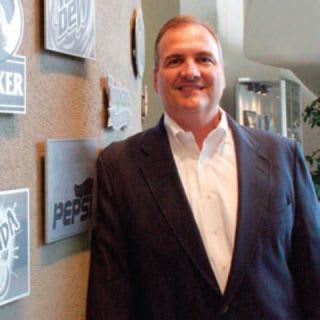
“I am responsible for delivering purchasing productivity and sustainability improvements for the various PepsiCo fleets,” Silva said. “We gather input on needs from the various operating companies and use that input to align capital and expense agreements for the fleet organization.”
He also manages other goods and services purchasing for the Frito-Lay Division and delivers productivity opportunities to reduce operating costs in Frito-Lay manufacturing plants and distribution centers.
[PAGEBREAK]
Silva spent the first 16 years of his career working for Frito-Lay manufacturing operations in various roles, including manufacturing manager and plant operations for a new greenfield plant startup. He was asked to lead Frito-Lay fleet operations in 1998 and in 2001, he started working with sister Pepsi Divisions to share purchasing strategies.
During the past five years, Silva has worked hard to align fleet purchasing practices between the PepsiCo operating divisions and its bottlers so the company could “leverage the power of one” when going to market.
In 2004, the company created a new organization, called PepsiCo fleet purchasing, that negotiates with suppliers on behalf of all PepsiCo companies, including Frito-Lay, Anchor and Independent Bottlers, Pepsi Cola North America, and Tropicana.
“Consolidating our purchasing power has benefited the operating units and our suppliers,” he said. “We have been able to deliver savings in capital purchasing and expense items.”
Acquiring bulk diesel fuel for company fuel tanks is one example of this purchasing power.
“We combine the volume across the enterprise, put it out on a reverse auction tool, and allow suppliers to determine how much of our business they want,” Silva said.
Silva’s colleagues use the words integrity, hardworking, fair, and open to new ideas to describe his leadership style. His ability to problem-solve, budget, and quickly adapt to change facilitates continual policy improvements.
“I feel it is important to continue to challenge the way we do business, to continue to improve, and never be satisfied with the ‘we’ve always done it this way’ mentality,” Silva said.
Staying involved in industry events and associations allows Silva to keep an eye on the changing environment. He is a long-time contributing member of the General Motors Commercial Sounding Board. He’s also a member of the Automotive Fleet & Leasing Association (AFLA) and is active in the Hybrid Truck Users Forum (HTUF).
“The industry appears to be changing rapidly as emission requirements change, vendors consolidate, and technology evolves,” Silva said. “You can become personally ‘obsolete’ if you don’t keep up with the industry.”
Silva also credits coworkers for his ability to make successful decisions.
“I have the opportunity to work with some really sharp, can-do fleet professionals at PepsiCo and its operating units,” he said. “All of the activities documented in this article are a result of a collaborative effort of many smart people who should also be recognized for their actions and leadership.”
One of Silva’s biggest challenges involves fleet purchasing and translating the needs of various PepsiCo operating units into an effective course of action with suppliers.
“We need to be able to listen, interpret, and then plan and execute a course of action,” he said. “We always try to develop win-win solutions with our suppliers since we cannot be successful over time if a supplier is not successful with its PepsiCo relationship.”
The fleet team also utilizes lifecycle cost analysis to avoid making short-term decisions and mortgaging the fleet’s future effectiveness.
“Acquisition price is only a portion of what we consider when determining our fleet options,” Silva said. “We consider fuel economy, maintenance costs, and engine life when determining the optimum vehicles in our fleet.”
Silva pays close attention to fuel economy and emissions.
“We have been challenging car and truck suppliers to develop clean small-diesel technology and economically viable hybrids,” he said. “Many suppliers already have the technology available in Europe and Japan.”
Silva also believes federal and state governments need to rethink trailer weight and length laws as a means to reduce fuel consumption. “The inconsistencies between the states make it difficult to maximize efficiencies for transport operations,” he said.
[PAGEBREAK]
A strategic priority for PepsiCo is sustainability. In Frito-Lay manufacturing plants, environmentally conscious practices reduce utility usage and decrease landfill waste. In its fleet, PepsiCo and operating units Frito-Lay and Tropicana have developed several initiatives to reduce emissions, including:
PepsiCo
Converting the business-use company car fleet to hybrids. More than 700 hybrids are now in service.
Replacing older, less emission-efficient engines with new cleaner-burning units.
Installing idle shutdown mechanisms on vehicles.
Investing in more aerodynamic side curtains for trailers.
Building a next-generation, lightweight, more fuel-efficient delivery truck.
Tropicana
Replacing delivery truck refrigeration units with more energy-efficient cold plate technology.
After initial testing in 2005 and with senior leadership support and direction, PepsiCo converted its company car fleet to hybrids.
Silva developed new fleet/business policies and strong vendor relationships to promote a smooth transition. While driving these new policies, Silva also listened to the drivers’ needs to ensure the vehicle selections met the requirements of a variety of company vehicles.
“We made efforts to explain to our drivers how the hybrid car program is a part of the commitment and sustainability that PepsiCo has to the environment to help reduce fuel consumption and greenhouse gas emissions,” he said.
In 2007, PepsiCo tripled the number of hybrids in its sales fleets, decreasing the overall emissions by approximately 10-12 percent per vehicle. PepsiCo now operates the second-largest non-government hybrid fleet in the U.S.
In addition to the hybrid car program, Silva worked with the PepsiCo Frito-Lay division to test hybrid delivery vehicles. He was instrumental in securing a grant from the Texas Commission on Environmental Quality to help develop a hybrid program. The study was completed in 2007.
“While we saw fuel economy improvements, we learned that hybrid truck economics may not make sense in all situations,” Silva said “You really need a combination of high mileage, frequent stops, even higher fuel prices, and lower acquisition costs to gain wider acceptance.”
Silva recently implemented several initiatives with PepsiCo divisions to streamline operations and produce significant cost savings.
One initiative was the Frito-Lay North America divisions’ delivery truck redesign from conventional step vans to commercial cutaway vans.
“Frito-Lay had been buying a strip chassis step van. The diesel engine in the units was no longer offered, and we began to look at alternative gas engine products,” Silva said.
The Frito-Lay fleet engineering team, led by Joe Gold, worked closely with chassis and body suppliers to design a new truck. The fleet team then combined the delivery truck effort with its desire to implement hybrid company cars to leverage an agreement with Ford to supply both.
“Frito-Lay continues to look at next-generation delivery trucks that will be lighter and significantly more fuel-efficient,” Silva said.
This change alone provided significant capital savings over the past two years.
Silva also facilitated the implementation of new technology in the PepsiCo Tropicana division, eliminating refrigeration units on its refrigerated delivery trucks, reducing fuel usage and emissions while maintaining product integrity.
Currently, the division is testing the International Truck Route Max 3 system with a Johnson Truck Body cold plate system. So far, the switch has proven to effectively eliminate the refrigeration unit on the truck, reducing operating costs, fuel usage, and emissions.
Silva is also proud of the work PepsiCo fleet procurement has done to improve its relationship with minority- and women-owned businesses. Fleet is a major contributor to the Pepsi-Cola Minority/Women Business Enterprise (MWBE) program, and the fleet department increased its year-over-year spend significantly in 2007.
“For example, we have helped fuel supplier PS Energy become a better bulk diesel supplier through its relationship with PepsiCo,” Silva said. “We have purchased significant volumes of fuel from the company.”
PepsiCo has been active for more than 20 years in promoting and growing minority and woman business development, and the company has committed to growing its spend in MWBEs to reflect the growing diversity in its consumer base.
Moving forward, Silva and PepsiCo’s fleet team will continue to focus on fuel economy and lifecycle costs.
“Our route delivery leaders at Frito-Lay will continue to reinvent the store door delivery system to continue to make it a competitive advantage,” Silva said. “I also believe our U.S. trucks will begin to look more like the European trucks that have been much more focused on fuel economy.”
More Operations

How Fleets Can Recruit and Train Veterans for Technician Roles
Here's how the technician shortage has affected uptime for fleets, and what to do about it.
Read More →
Avis Budget Group Deploys Neology Toll Management Technology Across Major Brands
Neology’s neoFleet platform will manage toll transactions and toll-authority operations for vehicles across Avis, Budget, Payless, Budget Truck and Zipcar.
Read More →
Fleet Personal-Use Charges Edge Higher in 2026
Nearly eight in 10 surveyed fleets allow personal use of company vehicles, while just over half of respondents report charging employees for the privilege.
Read More →
The Future of Fleet + What’s Changing Right Now | AF News Recap
Could developments overseas offer a preview of what’s coming for U.S. fleets? This week, we’re looking at the future of AI, autonomy, and electrification, plus Ford Pro’s new certified pre-owned program, smarter vehicle offboarding, and a new way for fleets to manage toll expenses.
Read More →
How to Handle Vehicle Offboarding
What do fleet managers need to do when a driver leaves?
Read More →
Fleet Manager’s Ultimate Playbook: Navigating the New Standard in OEM Connectivity
Rising operating costs, driver safety concerns, and unplanned downtime are putting unprecedented pressure on modern fleets. Discover how fleet managers use embedded OEM connectivity and real-time vehicle data to cut TCO, prevent downtime, and protect drivers without aftermarket telematics hardware.
Read More →
U.S. Bank Adds Verra Mobility Toll Management to Voyager Fleet Platform
The integration allows U.S. Bank Voyager fleet customers to manage toll payments and violations alongside fuel, EV charging and maintenance expenses.
Read More →
ADAS Prevents Crashes. But Repairs Cost More | AF News Recap
ADAS-equipped vehicles may crash less often, but they can cost more when they do. This week, we’re breaking down what that tradeoff means for fleets, plus Subaru’s first Forester Wilderness Hybrid, Nissan’s new e-POWER Rogue, and why Calstart has become Catalyst Mobility.
Read More →
Moventum Fleet Management Names Mark Iorillo Head of Sales
Iorillo brings nearly 20 years of fleet management and sales experience to the role, including previous positions at Element Fleet Management, CEI, Donlen and Ryder.
Read More →
Fleet Has a Talent Pipeline Problem. What Comes Next? | AF News Recap
Where will fleet’s next generation of leaders come from? This week, we’re looking at the industry’s talent pipeline, what certification can add to a fleet career, how to build an award-worthy track record, and the return of Automotive Fleet’s Personal Use Survey.
Read More →