




Roof-Mounted vs. Interior Ladder Racks
When it comes to hauling ladders, which is the better way – carrying them inside or on top of a van? There are pros and cons for each method.
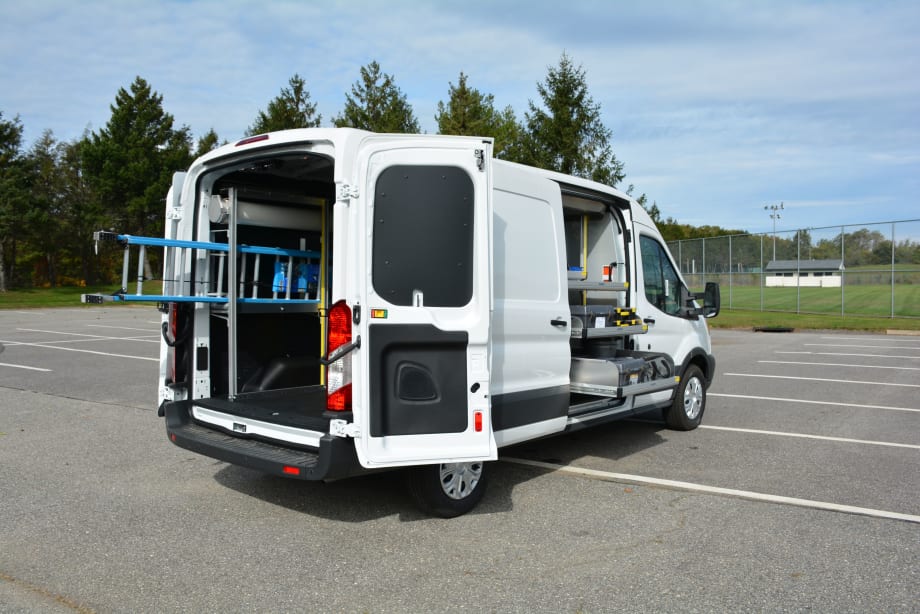
Photo courtesy of Dejana Truck and Utility Equipment.
Ladders can be critical to getting a job done. But, what's the best, most efficient, and safest way to transport them to a job site?
There is more than one way to move a ladder: Some fleets opt for roof-mounted ladder racks, while others choose to load them into their vans' cargo areas. Each has its advantages and disadvantages — so it's up to each fleet to decide which option is best.
Evaluating Roof-Mounted Ladder Racks
If a service technician has to haul a 40-foot ladder, roof-mounting is the only choice, since a ladder of that size won't fit in the interior of a van. Mounting it on the roof gives fleets plenty of space — and that means fleets don't have to spend money renting other equipment to reach high-up places.
"Being able to roof-mount a ladder lets the driver have the right equipment in the extreme cases they need to reach 40 feet up," said Jonathan Culp, director, fleet and leasing sales, Dejana Truck and Utility Equipment. "A 40-foot ladder offers some versatility to the field technician, and can help avoid the cost of renting or transporting a Genie or other lift. But, this cost is sometimes offset. Many fleets have a policy requiring a second technician to stabilize a ladder that tall for added safety."
The other upside of roof mounting is the encouragement for drivers to properly store ladders.
"Some companies prefer the cost of a roof-mounted rack to prevent drivers from stowing ladders on the floor or middle of the cargo area," Culp said.
While roof-mounting works well for large ladders, there are some drawbacks. For one, having a ladder on top of a van effectively raises the height of the van, affecting clearance, limiting access to parking garages or other drive-through facilities.
"In many cases, this can cause damage to the vehicle, equipment, or facility when a driver collides with an obstacle because they don't have enough clearance," Culp said.
Hidden costs can also come along with roof mounting. Roof-mounted ladders can increase wind resistance, which in turn has an impact on fuel economy.
"A major OEM conducted wind tunnel tests that show some vehicles suffer a 20-percent decrease in fuel economy once you add a ladder rack to the roof," Culp said.
Roof-mounted ladders can also have an effect on productivity. Because they are exposed to the elements, inclement weather, such as snow and ice, may require drivers to clean and dry a ladder before entering a commercial or residential account — and that means time lost for technicians. Equipment stored on the outside of the vehicle is also easier to steal, increasing the risk of dollars spent to replace equipment.
Culp noted safety can be an issue, too.
"Fiberglass ladders exposed to the UV radiation in sunlight degrade over time, increasing the possibility of a workplace accident due to equipment failure," he said. "In a medium- or high-roof van, and many low-roof vans, a fleet will need a drop-down ladder rack, which significantly increases the cost of the upfit. Failing to do so increases the possibility of workplace injury and degrades safety. Improperly secured ladders can also fall off, resulting in damage or injury."
Of course, downtime as a result of injury is yet another potential cost fleets should consider when deciding to install roof-mounted ladder racks.
Looking at Interior Storage
If the cons of roof-mounted ladders cause concern, the pros of interior hauling may address them. In terms of safety, a ladder can't fall off from inside a vehicle — and it's a lot less likely to be stolen.
Without a ladder on top of the van, wind resistance and height are both lower, each of which comes with advantages, Culp explained.
"Reduced wind resistance increases effective fuel economy," he said. "And, when the overall height of the vehicle is lower, drivers have greater flexibility and less potential for accidentally driving into something without enough clearance."
In terms of price, the cost of an interior ladder rack is less than a roof-mounted one, especially when installing drop-down ladder racks. Productivity-related costs can be better, too.
"Reduced productivity is a hidden cost," Culp said. "The few moments it takes to properly stow and secure a ladder on the roof of a van is an event repeated many times through the course of the day, especially if the technician has to clean and dry a ladder before using it on a service call. If technicians spend a couple minutes per stop, 10 times per day, multiplied by their hourly rate, the costs add up quickly. What if interior ladder storage gave the technician time to make one more billable call each day? The cumulative impact is incredible when you do the math. With interior storage, fleets can reduce their total cost of ownership by preventing loss, preventing reduced productivity, and reducing the cost of the upfit."
Interior storage has its drawbacks, too. Jobs that routinely need a very long ladder are simply not a good fit for the interior ladder rack.
"If you absolutely need a 40-foot ladder, it is going to have to go on the roof," Culp said. "The need of the field technician to properly perform their job responsibilities needs to come first."
Making the Right Call
When choosing between roof-mounted and interior ladder racks, the most important consideration is ensuring technicians have the right equipment to get the job done. One storage method may be cheaper or another easier, but those positives won't outweigh the negatives of decreasing worker productivity.
Culp said he encourages his customers to focus on three key considerations: storage capacity requirements, safety implications, and productivity.
"We help customers understand what's available to help them meet their job requirements, cost parameters, and any implementation challenges for any equipment they may need," he said.
Overall, Culp advises fleets to keep an open mind rather than make a choice simply because "they've always done it that way."
"I worked for a manager early in my career who had a quote framed on his wall that said: 'It is safe to assume not that the old way is wrong, but that there may be a better way.' It always stuck with me as good advice," he said.
Originally posted on Work Truck Online
More Upfitting

A Behind-the-Scenes Tour of a Fleet Upfit Facility
Get a behind-the-scenes look at how Driverge takes fleet vehicles from pilot builds to production and shipping.
Read More →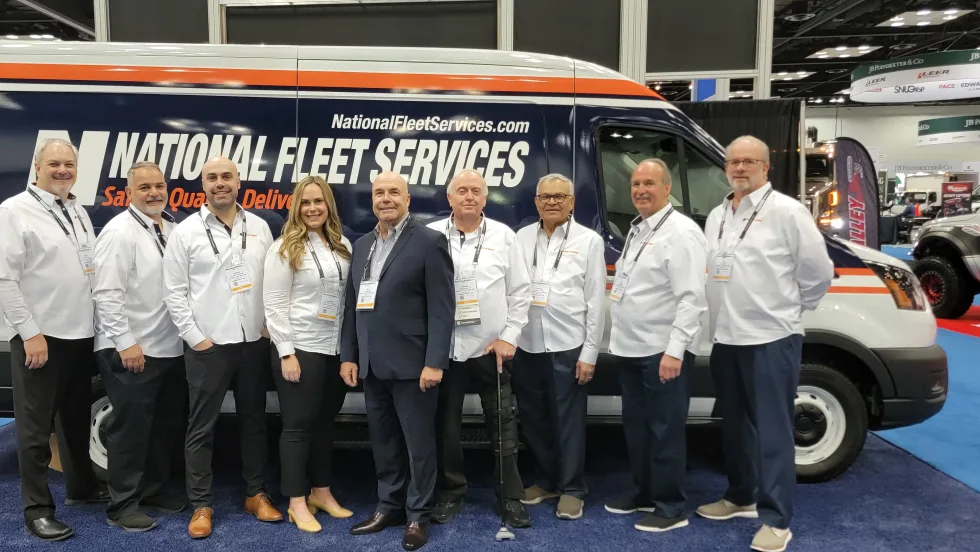
National Fleet Services Marks 30 Years of Fleet Upfitting Operations
Thirty years after its founding, National Fleet Services says its fleet assessments continue to uncover opportunities for more efficient, durable, and cost-effective vehicle upfits.
Read More →
How to Upfit, Equip, and Accessorize EVs for Work
From payload constraints and range tradeoffs to safety considerations and rising upfront costs, this conversation breaks down the realities of upfitting electric work trucks and vans.
Read More →
Driving Performance Across Trade Fleets: Upfit Standardization Strategies & Best Practices
Check out the best upfitting strategies and practices for trade fleets.
Read More →
John Poindexter Shares Product Launches, Growth Strategy for 2026
After a major acquisition, JB Poindexter’s CEO outlines what’s next, from smarter camera systems to early AI integration, and whether more deals are on the horizon.
Read More →
How One Company is Streamlining Fleet Upfit, Titling, & Delivery
Anew Solutions CEO Austin Schutte joins AF on the Move to discuss fleet upfitting, delivery logistics, and the importance of speed to completion in today’s fleet operations.
Read More →
Sortimo Presents New Upfitting Products
Sortimo detailed new racking systems, new floors, and more at Work Truck Week 2026.
Read More →
How To Upfit Electric Work Trucks and Vans
The biggest challenge lies in balancing additional equipment and accessories with EV battery capacity and range.
Read More →
JB Poindexter’s CEO Talks Growth, Industry Disruption & What’s Next
John Poindexter, CEO of JB Poindexter & Co., discusses how his $2.5B enterprise is navigating technology transformation, acquisitions, and a fast-evolving commercial vehicle market.
Read More →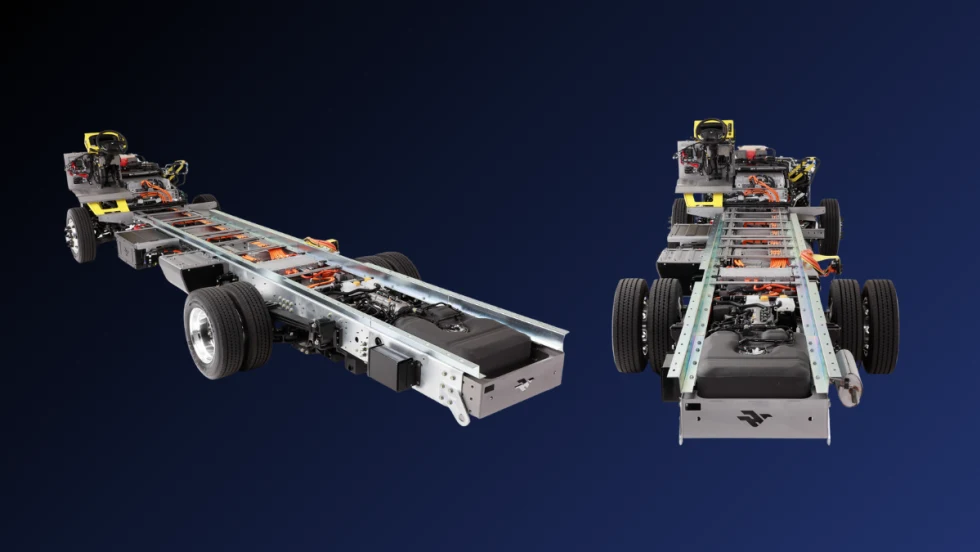
Harbinger Unveils Plug-In Hybrid Vehicle for Medium-Duty Fleets
The medium-duty truck company is expanding its American-made electric vehicle lineup to include a series hybrid model, offering up to 500 miles range.
Read More →