




Roche Incorporates Environmental Alternatives Into Its Fleet
Roche, a leading pharmaceutical and diagnostic business, implemented a successful hyybrid vehicle program that reduces gas and emissions in its sales fleet.

Like most healthcare organizations, Roche is committed to enhancing the well-being and quality of life not only for its clients, but also for employees, starting with the company’s fleet.
Dr. Jack Kace, vice president, environmental and safety for Roche formed the safety, health, and environmental (SHE) group. The SHE team’s core principles include the health and safety of employees and the community, and protection of the environment. Environmental concerns cover air emissions, waste discharges, and solid wastes.
“A few years ago, we were concerned about crash test ratings, rollover likelihood, and classic safety parameters with the fleet. Now we have begun to branch out to industrial hygiene concerns that are primarily ergonomic,” said Kace.
For example, if the material in a vehicle’s interior seats causes back strain or any pain, the SHE group investigates the issue. SHE also looks at fleet vehicles’ environmental impact. In 2004, SHE observed the amount of gasoline the Roche fleet consumed, combined with the amount of emissions it emitted, and devised plans to reduce both. “There is no department at Roche that is untouched by our efforts toward energy conservation,” said Kace.
Roche wanted to reduce CO² emissions and mileage. In 2004, the company began its volunteer hybrid fleet vehicle program. Drivers choose their vehicles, and the hybrid of choice at the time was the Toyota Prius. Roche started with 50 hybrids and, by driver demand, expanded the numbers, later adding the Ford Escape Hybrid. Roche Fleet Manager Angela Gregorowicz manages about 2,040 vehicles, including 242 hybrids. “Among other duties, I work with our environmental, health, and safety department and help select the right vehicle to meet Roche corporate goals,” said Gregorowicz.
When the hybrid program began, some Roche drivers were skeptical, voicing concerns about vehicle servicing. However, the vehicles have proven reliable and cost-effective.
“Our drivers are happy with the hybrids, and they are willing to wait for the vehicles even though it takes a while before they are received. But our drivers believe in these cars and how they have benefited the company,” said Gregorowicz.
Wheels Inc., Roche’s leasing company, has estimated the total operating cost of using a Toyota Prius versus a traditional mid-sized sedan. Over a normal operating period, the Prius saves Roche $3,000 in total costs. The total savings fluctuates with initial purchase price. While Roche pays more for the hybrid initially, the Prius resale value is good and the hybrid saves about $1,500 a year in gasoline costs.
The U.S. Environmental Protection Agency (EPA) Climate Leaders program recently recognized Roche for achieving its corporate goal two years ahead of schedule. The goal targeted a 10.8-percent reduction in greenhouse gas emissions since 2001. Incorporating hybrid and electric vehicles within its fleet helped achieved this goal.
Roche also recently submitted new 2010 goals to the EPA. Roche pledged to further reduce greenhouse gas emissions across the country and move to a 15-percent reduction of gases by 2010.
More Operations
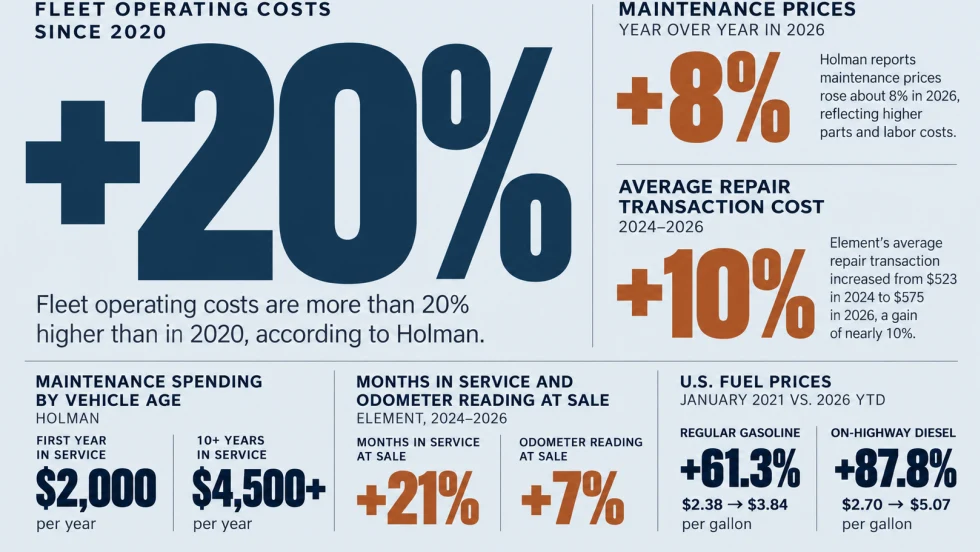
Managing Fleet Costs in an Era of Permanent Volatility
Fleet operating costs have risen more than 20% since 2020, raising a key question: When does extending a vehicle's service life stop making financial sense?
Read More →
The Next Evolution of Fleet Management: Autonomous Operations
This opening keynote session at the Fleet Forward Conference highlights the future of autonomous driving for fleets.
Read More →
How to Reduce the Total Cost of Risk From Catalytic Converter Theft
A stolen catalytic converter can cost fleets far more in downtime and lost productivity than in repairs. A total-cost-of-risk approach can help fleet managers quantify their exposure and prioritize theft prevention.
Read More →

Personal-Use Charges Rise as Vehicle Values Fall | AF News Recap
Personal-use charges are climbing, wholesale used-vehicle values are declining, and commercial fleet sales growth is slowing. This week, we're breaking down the latest fleet data, plus how Element Fleet Management is helping Waymo prepare for its first Canadian robotaxi market.
Read More →
Here's When You Should Make an Exception to Fleet Policy
Fleet policies are designed to create consistency, but not every driver or situation fits neatly within standard rules.
Read More →
AI-Native or AI-Acquired: What Should Fleet Managers Look for in an AI Platform?
Six questions can help fleet managers look beyond AI marketing claims to evaluate integration, data access, and real-world operational performance.
Read More →
A buyer's guide to fleet management software in 2027
Buying fleet management software in 2027 means looking beyond features and price. As fleet operations, technology and expectations evolve, this guide explores what today’s fleet professionals should consider when choosing a system that can deliver value now and adapt to what comes next.
Read More →
What Will Shape the Next Era of Fleet Management?
EVs, AI, and autonomous vehicles are reshaping fleet management. Discover what’s ahead—and how fleet leaders can prepare for the next era.
Read More →
How Fleets Can Recruit and Train Veterans for Technician Roles
Here's how the technician shortage has affected uptime for fleets, and what to do about it.
Read More →
Avis Budget Group Deploys Neology Toll Management Technology Across Major Brands
Neology’s neoFleet platform will manage toll transactions and toll-authority operations for vehicles across Avis, Budget, Payless, Budget Truck and Zipcar.
Read More →