




Report from the Editor
On the one hand, automakers are happy with the continued growth of renting and leasing companies because be means increased sales. On the other hand, many auto industry executives are concerned about the mushrooming leasing and rental business because they see it as a potential threat to the auto distribution system.
The tremendous growth of the renting and leasing industry has the auto industry in a dilemma. On the one hand, automakers are happy with the continued growth of renting and leasing companies because be means increased sales. To this end, many auto companies are actively promoting and encouraging leasing and renting. On the other hand, many auto industry executives are concerned about the mushrooming leasing and rental business because they see it as a potential threat to the auto distribution system.
The concern in the auto industry revolves around the growth the finance leasing. Under the finance lease, the lessee is responsible for depreciation, maintenance and insurance. The leasing company does little more than buy and sell the vehicles plus offer specialized administrative services. The lessee generally is billed on the basis on a reserve for depreciation which usually runs 2 or 2½ per cent per month plus a yearned charge. When the cars are sold there is a final accounting whereby the lessee is either credited or debited the difference in sale price versus the remaining book value.
Because of the initial attractiveness of non-maintenance, finance leasing is growing by leaps and bounds. Some of the larger maintenance-type leasing companies are expanding in the area of finance leasing and one auto company, possibly as a portent of what is to come, is testing a finance lease program on the West Coast.
On the surface it would appear that finance leasing is just part of the natural evolution of the leasing business. Certainly, the number of vehicles under a finance lease today is not too significant. However, if the growth continues in the years ahead as it has in the past few years, the number of cars out on finance lease would represent an important percentage of industry sales and would create special problems for auto dealers.
For example, let us say that finance leasing becomes so popular that it can be sold by a man with a telephone, a table and a chair - no showroom, on service facilities and no real customer service. The finance lease salesman would just call professional men and the public in general and offer a new car every year for what is a ridiculously low monthly payment in comparison to a full two year maintenance type lease. The auto dealer would then be burdened with the services and complaints on a increased number of cars which he did not have a chance to sell in the first place.
It stands to reason that a continued increase in the number of cars distributed to the public through outlets other than dealers would have an adverse affect on the dealer network structure. The typical auto dealer would see his volume and profit remaining stable, if not declining, while demand for service would remain constant with the total car registrations. And, while it need not be so, most auto dealers lose money on their service operations.
Leasing companies, mindful of depreciation, constantly pressure auto companies for earl model year delivery. An automaker's first responsibility at new car time is to fill dealer pipelines, But as the leasing company grow bigger than the average dealer, the pressure by the lasing company possibly might influence the auto company in regard to its responsibility.
More Operations
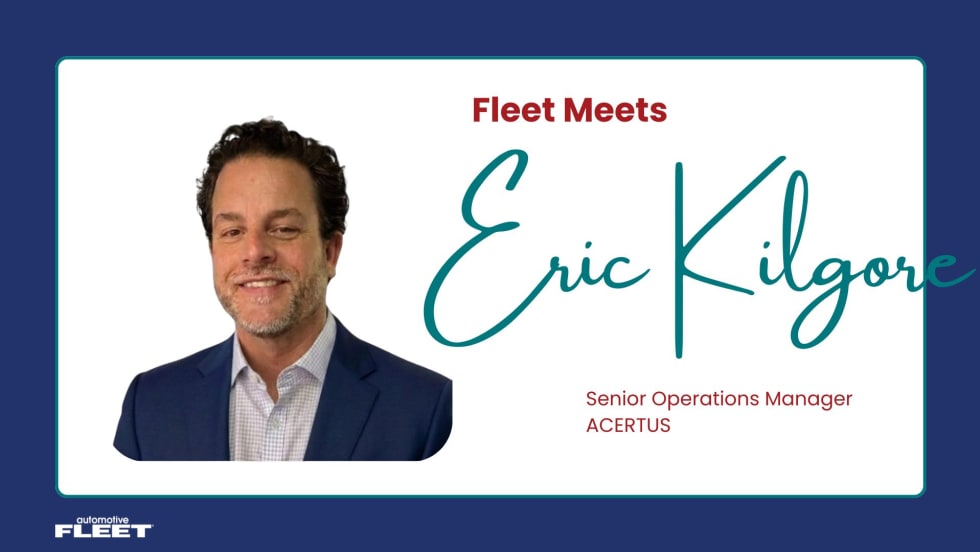
Fleet Meets: Eric Kilgore
This edition of the Fleet Meets series features one of the industry's best leaders driving multi-market and national operations.
Read More →
Why Reactive Fleet Management Is Becoming Too Expensive to Sustain
Research highlights a growing need for proactive management strategies to address rising costs in fleet operations effectively.
Read More →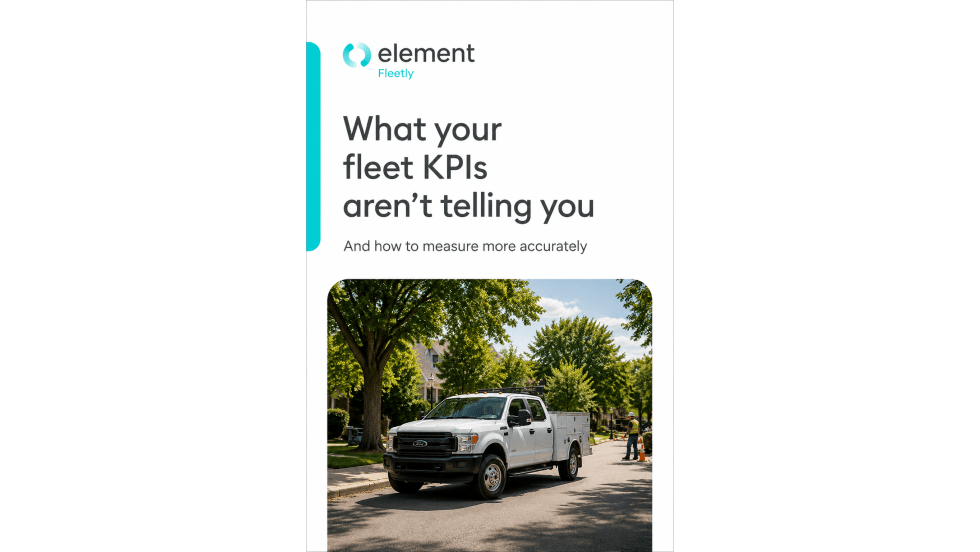
What Your Fleet KPIs Aren’t Telling You
Tracking fleet metrics is only useful when the data leads to better decisions. This guide helps fleet leaders assess cost, utilization, and downtime more accurately, identify performance gaps, and prioritize the actions that can improve operational results.
Read More →


Hidden in Plain Sight: Fleet Compliance Risks
Fleet compliance isn't just about having policies — it's about consistently enforcing them. This practical guide reveals six hidden compliance risks common in public sector and shared fleet operations and outlines proven strategies to improve visibility, accountability, and audit readiness
Read More →
Turning Fleet Payment Data into Executive Insights
Does data alone drive results in operations?
Read More →
Automotive Fleet Opens 2026 Personal Use Survey for Commercial Fleet Managers
Commercial and corporate fleet managers are invited to share how their organizations handle company vehicle personal-use policies, charges, and driver eligibility.
Read More →
Gary Van Orden Retires After Nearly Four Decades in Commercial Fleet
From answering customer calls at Ford Motor Company to leading fleet sales across multiple OEMs and a fleet management company, Gary Van Orden's career reflects nearly four decades of leadership in commercial fleet.
Read More →
How Stellantis Plans to Get Ahead of Fleet Downtime
Vehicle acquisition may grab the headlines, but fleet uptime increasingly determines operating success. Darren Bradshaw of Mopar North America gives the details.
Read More →
Hyundai Releases 2027 Commercial Program Incentives
The 2027 Model Year "Fleet Street Incentives" are available to commercial and government fleets.
Read More →
It's All Downhill from Here! Fleet Industry Raises $22,000 for Skilled Trades Scholarships
Work Truck’s Lauren Fletcher and Automotive Fleet’s Chris Brown turned a friendly racing rivalry into $22,000 for automotive technology and skilled trades scholarships.
Read More →