




Proper Tire Maintenance Drives Fleet Safety
Ensuring frequent tire inspections and knowing the difference between a proper and improper tire repair is critical to safe fleet operations.
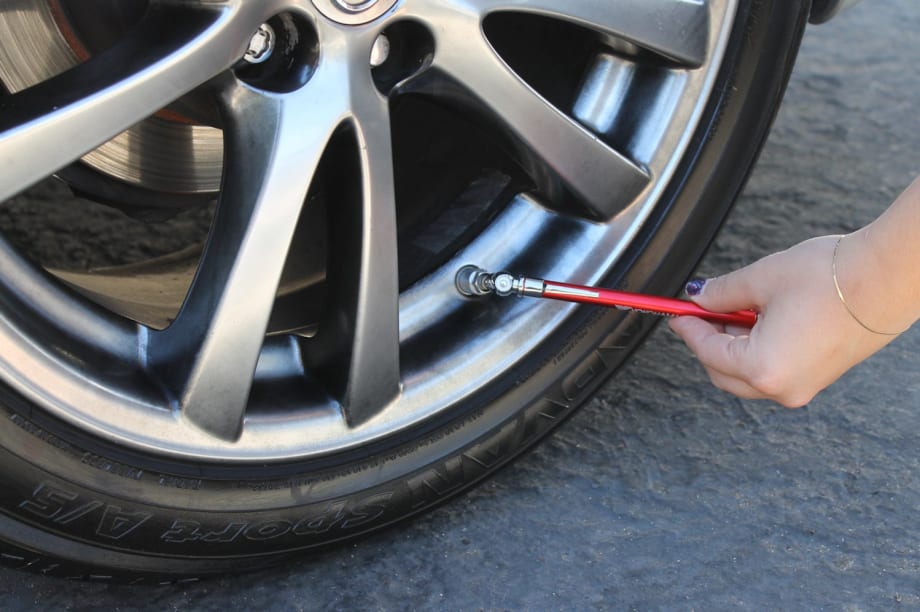
Photo via Yokohama Tire Corp.
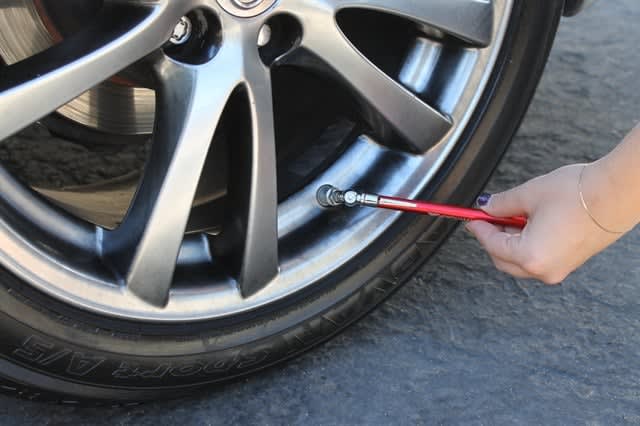
Photo via Yokohama Tire Corp.
Vehicle operating cost is a major consideration for drivers each and every day, even more so for fleets. Yokohama Tire Corp. shares special tips for fleet managers to save money, optimize tire energy efficiency, and maximize tire service life for their companies' passenger car fleets.
A monthly tire inspection should be part of every fleet’s maintenance routine and should include a complete visual and physical inspection of all tires on the vehicle and an air pressure check.
When drivers conduct each monthly visual inspection, ensure they get down low enough to see the entire tread area to detect uneven wear (which is a sign of alignment and/or suspension problems or improper inflation). Additionally, running a hand over the tread area can help drivers identify the onset of “cupping,” “feathering,” or other uneven wear.
Next, drivers should be instructed to check the air pressure of all tires on the vehicle. Fleets can lower fuel costs, get thousands of additional miles out of tires, and improve air quality by maintaining correct tire inflation pressure. It is also important to check the air pressure of a vehicle’s spare tire (if the vehicle is equipped with one).
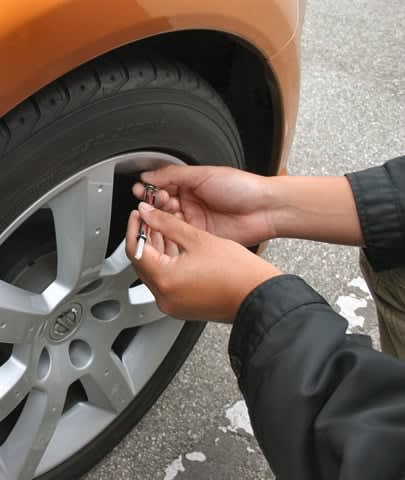
Photo via Yokohama Tire Corp.
If a driver’s inspection or air pressure check reveals any potential issues, it is important to have them addressed as soon as possible. Mechanical wear on tires or uneven wear from improper inflation can seriously affect a tire’s usable life.
Knowing the difference between a proper and an improper tire repair could be critical to vehicle safety. An improper tire repair could pose a safety hazard, lower fuel efficiency, and could also affect a tire manufacturer’s warranty.
Often, it takes about the same time to do an improper tire repair as it takes to do a proper repair, so it makes sense to always insist on a proper tire repair from all service outlets.
The Rubber Manufacturers Association (RMA) offers tire dealers and automotive repair outlets detailed criteria to perform a proper repair. One key process in a proper tire repair is removing a tire from the wheel to inspect any damage that may occur to the inner liner of the tire. Fleet managers should be aware of proper tire repair procedures, including:
Repairs are limited to the tread area only.
A puncture injury cannot be greater than ¼ inch in diameter.
Also, repairs must be performed by removing the tire from the rim/wheel assembly for a complete inspection to assess all damage that may be present.
Repairs cannot overlap.
A rubber stem, or plug, must be applied to fill the puncture injury and a patch must be applied to seal the inner liner. (A common repair unit is a one-piece unit with a stem and patch portion. A plug by itself is an unacceptable repair.)
In summary, taking the time to make a thorough tire inspection, quickly addressing any potential problems and insisting on proper tire repairs can pay off in maximum mileage, maximum efficiency and maximum safety for your company’s fleet.
Editor's note: Bob Abram is the product planning manager for Yokohama Tire Corp. He has 23 years of experience in tire management and safety. For more information, visit www.yokohamatire.com.
More Safety

Fleet Manager’s Ultimate Playbook: Navigating the New Standard in OEM Connectivity
Rising operating costs, driver safety concerns, and unplanned downtime are putting unprecedented pressure on modern fleets. Discover how fleet managers use embedded OEM connectivity and real-time vehicle data to cut TCO, prevent downtime, and protect drivers without aftermarket telematics hardware.
Read More →
From Driver Well-Being to EV Charging | AF News Recap
Mental health belongs in the fleet safety conversation. This week, we’re looking at five ways fleets can support employee well-being before a crisis, plus Holman’s expansion in Mexico, new one-day Fleet Forward passes, and why EV charging demand is outpacing infrastructure growth.
Read More →
Nexar-Nauto Merger Aims to Give Fleets Better Safety Intelligence Through Larger Driving Dataset
Stefan Heck tells Automotive Fleet that combining more than 10 billion miles of driving history with Nexar's AI models will give fleets deeper insights into driver risk and roadway conditions than either company could provide independently.
Read More →
Don't Wait for a Crisis: 5 Ways to Build Mental Health Into Your Fleet Safety Program
For Suicide Prevention Month, fleet and safety leaders have an opportunity to put mental health where it belongs: at the center of workplace safety.
Read More →
How Camera Data Can Strengthen a Fleet’s Insurance Renewal
Insights from a commercial insurance carrier and a broker show how fleets can turn video telematic data, driver coaching, and improved claims results into a stronger case at insurance renewal.
Read More →
The Safest Fleets Aren’t the Ones with the Most Technology
You’ve made the telematics investment. Here’s how to capture the other half of its value and build the safest fleet on the road.
Read More →
Hidden in Plain Sight: Fleet Compliance Risks
Fleet compliance isn't just about having policies — it's about consistently enforcing them. This practical guide reveals six hidden compliance risks common in public sector and shared fleet operations and outlines proven strategies to improve visibility, accountability, and audit readiness
Read More →
NETS Sets 2026 Fleet Safety Benchmark Conference for Indianapolis
The Sept. 15–17 program will feature fleet benchmarking data, case studies, emerging technologies, and implementation strategies while running alongside the NSC Safety Congress & Expo.
Read More →
Off-the-Job Crashes Account for 43% of Employers’ $61.7 Billion Crash Burden
NETS quantifies costs dispersed across fleet, risk, HR, and other departments while providing new per-crash benchmarks for employers.
Read More →
Ram Recalls More Than 1.27 Million 1500 Pickups for Seat Belt Anchor Issue
The recall affects certain 2019-2026 Ram 1500 pickups that may have improperly attached second-row seat belt buckle anchors.
Read More →