




Penske Defines Path for Electric Truck Early Adopters
With recent investments in Fuso eCanters and charging infrastructure, Penske’s Paul Rosa puts the emerging electric truck market in context for fleets.

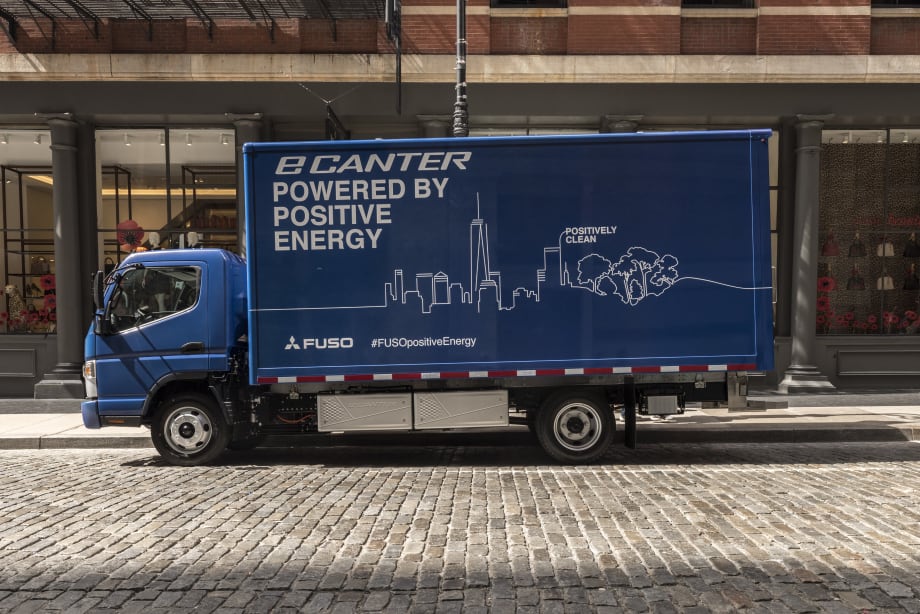
Penske Truck leasing has taken delivery of four Fuso eCanter battery-electric work trucks, the first commercialized all-electric truck available in the U.S. in the Class 3-to-6 segment.
Photo via Penske.
As part of its investment in electric vehicles, Penske Truck Leasing announced in March the addition of four Mitsubishi Fuso eCanter battery-electric work trucks to its logistics, leasing, and rental fleets.
Penske is initially taking delivery of four Fuso eCanters for use in California. Two trucks are headed to its San Francisco market, and the other two will be part of the Los Angeles fleet.
Penske will first offer the eCanters as a commercial rental offering for Penske’s existing lease customers, according to Paul Rosa, senior vice president of procurement and fleet planning at Penske.
With the eCanter, Fuso is the first to commercialize a series-produced, all-electric work truck. In limited production today, Penske is among the first fleet operators to take delivery of these medium-duty vehicles.
According to Rosa, Penske is working with its lease customers to determine electric truck viability in terms of routing, payload, charging, and operations. “There's a lot of criteria that has to be evaluated to see where it will work for early adopters,” he says.
Where First?
While many manufacturers have announced plans for electric truck models, and some are in pre-production testing, there are few models available to fleets today and not in large numbers.
Penske is also testing the all-electric Freightliner eM2 and eCascadia models from Daimler Trucks North America, a sister organization of Fuso. Mitsubishi has not yet announced the production cadence of the Fuso eCanter and its supply into the U.S.
From a demand standpoint, Rosa sees opportunities for electric trucks around ports with air quality mandates, in urban environments, for last-mile deliveries, and fleets with short routes that return to a home base to charge.
Fleets must consider the additional weight of the batteries (removing available payload), as well as operating environment such as hot weather, which affects range due to air conditioning load, Rosa says.
When it comes to charging, Level II infrastructure is available today, but fleets must be able to accommodate the 12- to 14-hour charge times. DC fast chargers offer dramatically faster charge times but come at a steeper price and are only beginning to come online.
On April 24, Penske announced the opening of commercial heavy-duty electric vehicle charging stations with 14 high-speed chargers at four of its facilities in Southern California. These are the first DC fast-charging stations in the U.S. designed specifically for heavy-duty commercial electric vehicles, Penske says.
Rosa notes that there are other, more mature clean fuel options for fleets today such as compressed natural gas (CNG), liquified natural gas (LNG), and propane. “We will certainly go forward with those when it makes sense for a customer,” he says.
Battery technology is outpacing advances in those alternative fuels, but that can be a double-edged sword when considering the right time to jump in. “What if two years down the road the batteries cost half as much, and you get twice as much range?” Rosa asks.
Still, Rosa and many others see a clear path for battery-electric propulsion as batteries become smaller, cheaper, and with greater range. “When technology advances and improves, (the market) will open up to more prospects and customers,” he says.
“This is very exciting. But we're so early in this game, there's so much to learn.”
More Fleet Forward

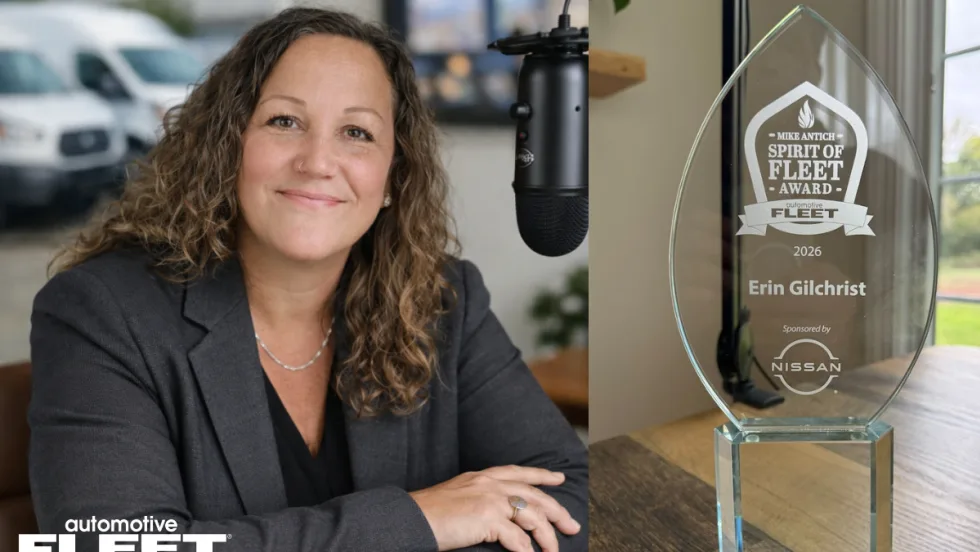
Erin Gilchrist Receives Mike Antich Spirit of Fleet Award
Last week at AFLA in Vegas, Erin Gilchrist received the inaugural, brand-new Spirit of Fleet Award.
Read More →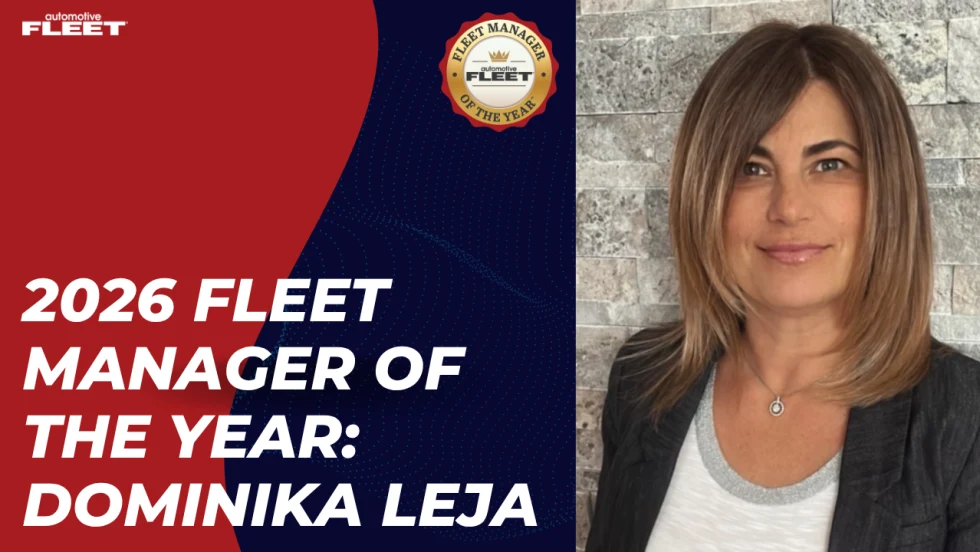
Dominika Leja Named the 2026 Fleet Manager of the Year
The AstraZeneca associate director of fleet was recognized for her leadership in fleet electrification, cost savings, and operational transformation.
Read More →
Jamie McKay Named the 2026 Fleet Visionary Award Winner
The Aptive Pest Control fleet manager was recognized for her approach to operations, data, lifecycle management, and driver needs.
Read More →
Fleet Forward Conference Introduces One-Day Passes for 2026
New one-day registration gives fleet professionals the flexibility to attend Tuesday, Wednesday, or Thursday, with passes available for $199 through Sept. 18.
Read More →
Vibe Coding: When Fleet Managers Become Software Builders
Five fleet professionals — none with programming skills — discuss how they’re using AI to build fleet solutions in-house and in a fraction of the time.
Read More →
Fleet Forward Conference Tackles Fleet Industry’s Growing Leadership Gap
This session will examine succession planning, knowledge transfer, and the skills the next generation of fleet leaders will need as veteran professionals leave the industry.
Read More →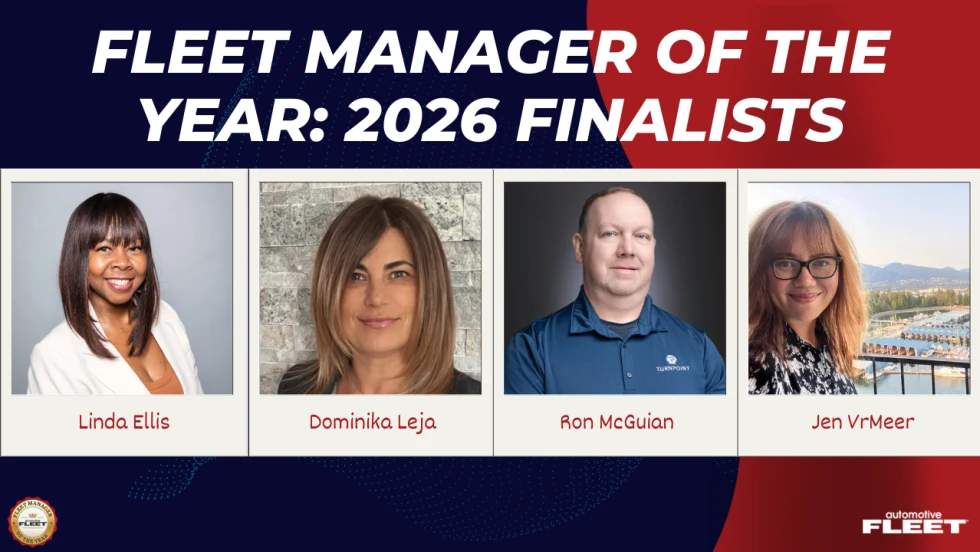
2026 Fleet Manager of the Year Finalists Announced
Who are the 2026 Fleet Manager of the Year finalists?
Read More →
John Rossant to Deliver Opening Keynote at 2026 Fleet Forward Conference
The CoMotion founder will draw on developments across Europe, China, the Middle East, and other international markets to identify trends that could influence how U.S. fleets plan for the coming decade.
Read More →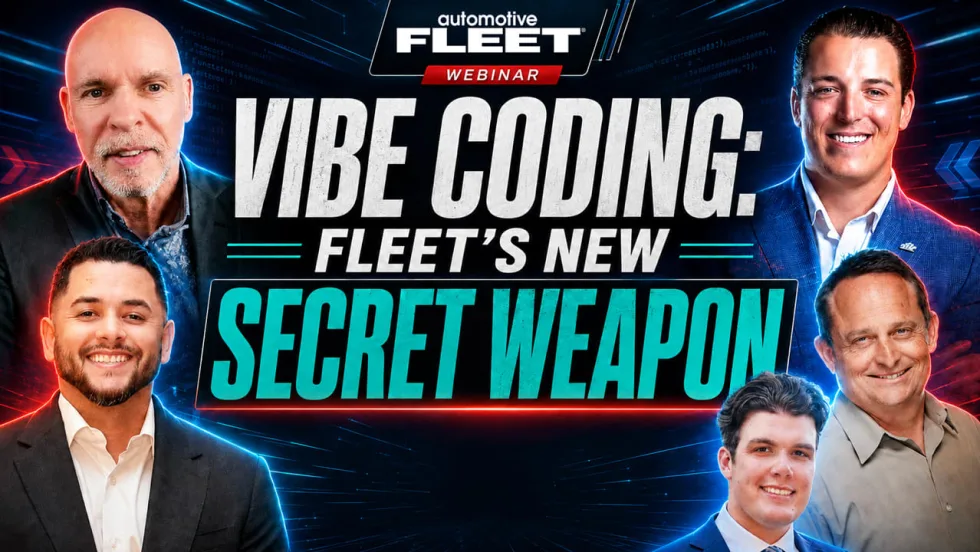
How to Build Custom Fleet Tools With AI and Vibe Coding [Webinar]
A new Automotive Fleet webinar explores how fleet managers are using AI and vibe coding to automate routine work and create simple operational tools without traditional programming skills.
Read More →