




Related: PARS Ross Replaces Langness as VP of Sales and Client Relations
PARS Logistics App Provides Real-Time Innovation
PARS mobile driver app allows fleet managers and fleet management companies to see real-time order updates from the minute a vehicle is picked up or delivered.
by Daryl Lubinsky
February 1, 2018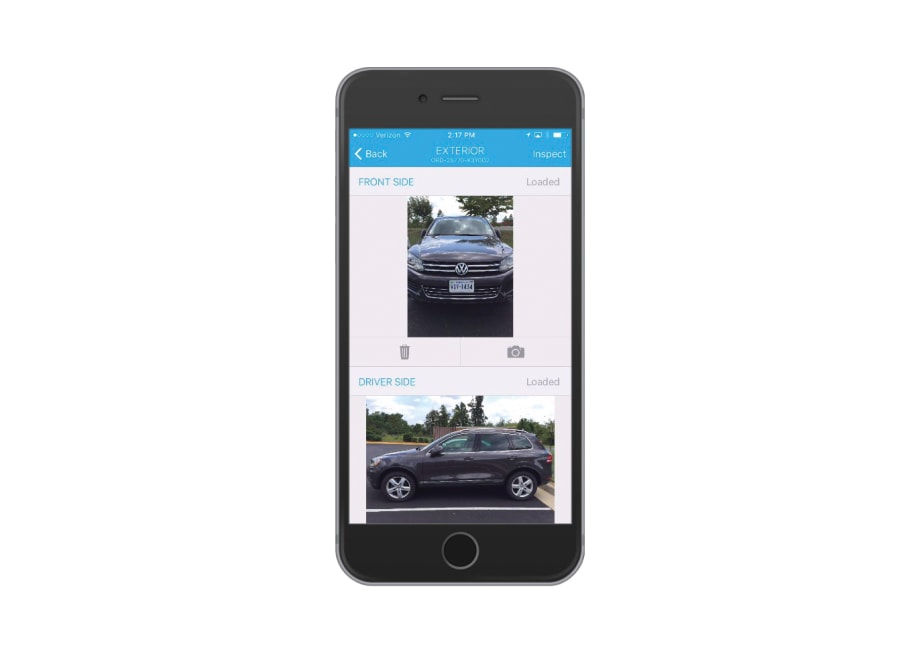
Photo courtesy of PARS
3 min to read
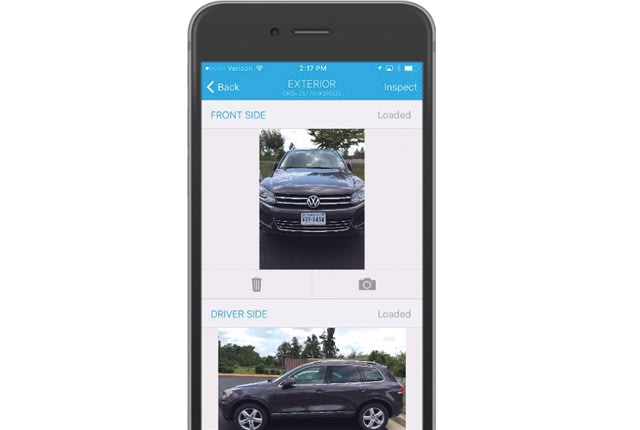
Photo courtesy of PARS
Consider the following situation: A fleet management company places an order to vehicle logistics provider PARS to pick up a car from a terminated employee of a fleet customer and to then deliver it to a new hire.
But, after the PARS driver uses the new PARS driver app to assess and document the car’s condition, the PARS customer service team immediately advises the fleet manager of the car’s condition and provides a copy of the signed pick-up condition report with extensive photos.
The fleet manager can see that the terminated employee did not take very good care of the vehicle, which showed numerous exterior blemishes.
“Now the fleet manager can decide, based on the pictures, ‘Do I want to get those blemishes fixed, or do they not look that bad where I could just thoroughly detail the car and deliver it to the new employee without any repairs?’” said Erik Rasmussen, director of strategic operations for PARS.
The above situation is fictitious, but Rasmussen likes to provide examples to show how the new app’s real-time features can benefit fleets. He notes that the app allows fleet managers and fleet management companies to see real-time order updates from the minute a vehicle is picked up or delivered. Never before have customers seen such thorough condition reports with photos standard and available real time, he said.
The New Tech
Previously, the process was paper-driven. PARS drivers would carry three-ply carbon copy bill of lading forms that included the vehicle pickup information, destination information, and a condition report that the PARS driver would fill out.
The problem was it wasn’t real-time, because the PARS driver had to call that information back to a PARS field office representative, and the representative might or might not immediately key it into the system.
“They may key order and vehicle in-formation at the end of the day,” Rasmussen said. “It was not real-time, not comprehensive, and we certainly didn’t capture pictures like we do with the PARS driver app today.”
The new PARS driver app has been about three years in the making. PARS’ previous IT system for vehicle delivery worked well, but in 2014 the company began looking to improve it in areas such as more integration with fleets and fleet management companies’ vehicle management systems. PARS considered whether to rebuild its existing system or start from scratch.
“Ultimately, we decided to start from scratch,” Rasmussen said. The company adopted a customer relationship management (CRM) product that PARS customized for its logistical needs. The system houses all of PARS’ customer and order data and marketing information. The company at the same time implemented a new customer portal and web site.
“And we knew from the beginning that mobile was going to be part of it,” he said.
Evolution of the APP
In early 2016, after the new order management system was stable and functional, PARS’ focus immediately shifted to a mobile app. The result is an app with features such as real-time updates to orders available through the PARS customer portal regarding pickup and delivery; and detailed electronic condition reports that provide photos, damage documentation, confirmation of glovebox contents, and capturing of pickup and delivery signatures.
Rasmussen came up with another fictitious example to show how the new app’s real-time features can benefit fleets. The scenario would involve PARS picking up a vehicle from a terminated employee, with the vehicle showing body damage that the termi-nated employee failed to report. In some cases, fleet management companies and fleet managers are now using the information in the PARS app report to charge the terminated employee for the damages he or she failed to report.
“They have the pictures and the detailed condition reporting with the signature, too,” said Rasmussen. “The pickup party and the delivery party both sign these condition reports, so it’s a document they can use in the case of going back and charging separated employees for unreported damage.”
Subscribe to Our Newsletter
More Operations

Avis Budget Group Deploys Neology Toll Management Technology Across Major Brands
Neology’s neoFleet platform will manage toll transactions and toll-authority operations for vehicles across Avis, Budget, Payless, Budget Truck and Zipcar.
Read More →
Fleet Personal-Use Charges Edge Higher in 2026
Nearly eight in 10 surveyed fleets allow personal use of company vehicles, while just over half of respondents report charging employees for the privilege.
Read More →
The Future of Fleet + What’s Changing Right Now | AF News Recap
Could developments overseas offer a preview of what’s coming for U.S. fleets? This week, we’re looking at the future of AI, autonomy, and electrification, plus Ford Pro’s new certified pre-owned program, smarter vehicle offboarding, and a new way for fleets to manage toll expenses.
Read More →
How to Handle Vehicle Offboarding
What do fleet managers need to do when a driver leaves?
Read More →
Sponsored•October 1, 2026
Fleet Manager’s Ultimate Playbook: Navigating the New Standard in OEM Connectivity
Rising operating costs, driver safety concerns, and unplanned downtime are putting unprecedented pressure on modern fleets. Discover how fleet managers use embedded OEM connectivity and real-time vehicle data to cut TCO, prevent downtime, and protect drivers without aftermarket telematics hardware.
Read More →
U.S. Bank Adds Verra Mobility Toll Management to Voyager Fleet Platform
The integration allows U.S. Bank Voyager fleet customers to manage toll payments and violations alongside fuel, EV charging and maintenance expenses.
Read More →
ADAS Prevents Crashes. But Repairs Cost More | AF News Recap
ADAS-equipped vehicles may crash less often, but they can cost more when they do. This week, we’re breaking down what that tradeoff means for fleets, plus Subaru’s first Forester Wilderness Hybrid, Nissan’s new e-POWER Rogue, and why Calstart has become Catalyst Mobility.
Read More →
Moventum Fleet Management Names Mark Iorillo Head of Sales
Iorillo brings nearly 20 years of fleet management and sales experience to the role, including previous positions at Element Fleet Management, CEI, Donlen and Ryder.
Read More →
Fleet Has a Talent Pipeline Problem. What Comes Next? | AF News Recap
Where will fleet’s next generation of leaders come from? This week, we’re looking at the industry’s talent pipeline, what certification can add to a fleet career, how to build an award-worthy track record, and the return of Automotive Fleet’s Personal Use Survey.
Read More →
Smith System Launches Driver Risk Management Program
Fleets have more driver data than ever, but identifying risky behavior doesn't necessarily correct it. Smith System's new Driver Risk Management program combines monitoring, training, and follow-up coaching to help fleets connect risk signals with driver intervention.
Read More →