




New Forum Launched to Help Cities Deploy, Manage Digital Mobility Tools
Serving as a forum for discussions about pedestrian safety, privacy, equity, open-source governance and other related topics, the OMF has engaged a broad range of city and municipal organizations, private companies and non-profit groups, and experts and advocates to ensure comprehensive engagement and expertise on vital issues.

The Open Mobility Foundation is also founded by micro-mobility operators such as Bird (scooters shown) and Spin.
Photo via Bird.
The Open Mobility Foundation (OMF) is a new a new city-governed non-profit that brings together academic, commercial, advocacy and municipal stakeholders to help cities develop and deploy new digital mobility tools, and provide the governance needed to efficiently manage them.
The announcement comes as a response to the growing number of vehicles and emerging mobility options on city streets.
The OMF convenes a new kind of public-private forum to seed innovative ideas and govern an evolving software platform. Serving as a forum for discussions about pedestrian safety, privacy, equity, open-source governance and other related topics, the OMF has engaged a broad range of city and municipal organizations, private companies and non-profit groups, and experts and advocates to ensure comprehensive engagement and expertise on vital issues.
As municipalities integrate expanded transportation options — and as the number and type of vehicles using the existing public right-of-way rises dramatically in cities across the country — this innovative coalition is focused on four primary areas:
Increasing Safety. Cities need tools to manage and measure new transportation modes in order to ensure the safety of their residents and reach the goals of Vision Zero.
Ensuring Equity. Cities need tools to ensure mobility technologies do not create or exacerbate inequality. New forms of transportation should be accessible and affordable to all residents.
Improving Quality of Life. Cities need tools to ensure transportation options do not impede sidewalks or increase roadway congestion and add to the sustainability and safety of our urban environment.
Protecting Privacy. Cities need tools that enable them to generate and analyze data through the mobility services they provide while also adhering to world-class privacy and data security standards.
The OMF governs a platform called “Mobility Data Specification” (MDS) that the Los Angeles Department of Transportation developed to help manage dockless micro-mobility programs (including shared dockless e-scooters). MDS is comprised of a set of Application Programming Interfaces (APIs) that create standard communications between cities and private companies to improve their operations. The APIs allow cities to collect data that can inform real-time traffic management and public policy decisions to enhance safety, equity and quality of life. More than 50 cities across the U.S. — and dozens across the globe — already use MDS to manage micro-mobility services.
Making this software open and free offers a safe and efficient environment for stakeholders, including municipalities, companies, experts and the public, to solve problems together. And because private companies scale best when cities can offer a consistent playbook for innovation, the OMF aims to nurture those services that provide the highest benefit to the largest number of people, from sustainability to safety outcomes.
By using collaborative methods and an open-source structure, the OMF enables cities and public agencies to access the digital tools that they need to effectively manage city streets as the worlds of transportation and technology continue to intersect and evolve.
The OMF is partnered with OASIS, a leader in the open-source and software standards industry.
"Cities are always working to harness the power of technology for the public good. The Open Mobility Foundation will help us manage emerging transportation infrastructures, and make mobility more accessible and affordable for people in all of our communities," said Los Angeles Mayor Eric Garcetti, who also serves as Advisory Council Chair of Accelerator for America, which showcased the MDS platform early on.
The OMF is led by cities committed to using well-designed, open-source technology to evolve how cities manage transportation in the modern era — launched with the mission to promote safety, equity, and quality of life.
Growing from work pioneered at the Los Angeles Department of Transportation and the City of Santa Monica, the founding municipal members of the coalition are Austin, Texas; Bogotá, Colombia; Chicago; Los Angeles; Louisville, Ky.; Miami; Miami-Dade County, Fla.; Minneapolis; New York City Department of Transportation; New York City Taxi and Limo Commission; Philadelphia; Portland, Ore.; San Francisco; San Jose, Calif.; Santa Monica, Calif.; Seattle; and Washington, D.C.
In addition to cities and public agencies, the Open Mobility Foundation is founded in part by The Rockefeller Foundation — a premier science-driven philanthropy focused on promoting the well-being of humanity throughout the world. The Open Mobility Foundation is also founded by micro-mobility operators such as Bird and Spin; technology companies such as Microsoft, Blue Systems and Stae; and is supported by advisors that include the International Association of Public Transport, Transportation for America, MetroLabs, and the NewCities Foundation.
Membership to the OMF is open, and interested cities and companies are encouraged to apply.
This story was originally published on Metro Magazine.
More Fleet Forward
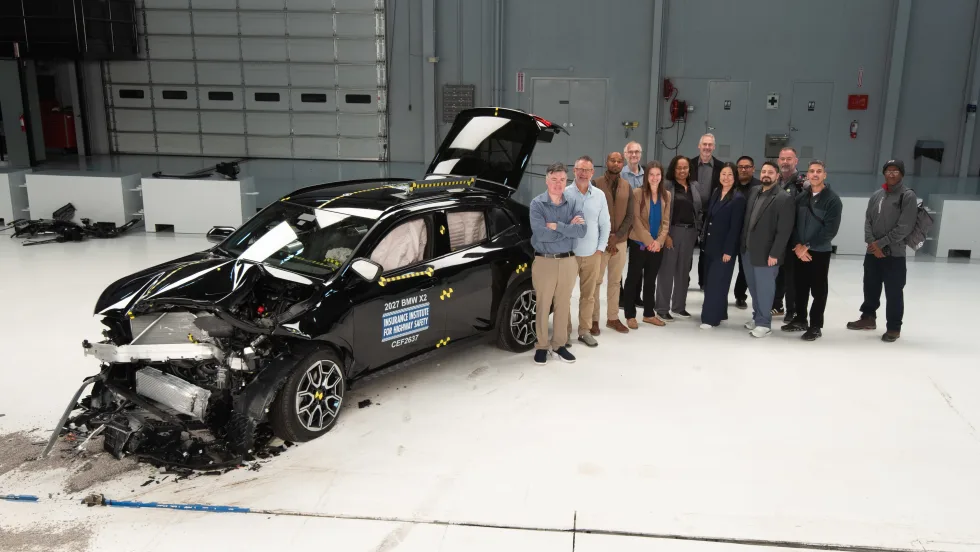
What Fleet Managers Learned from IIHS Crash Testing
Fleet Forward Conference attendees witnessed a live crash test at IIHS’s site, explored vehicle safety technology, and learned how IIHS research can inform fleet purchasing decisions.
Read More →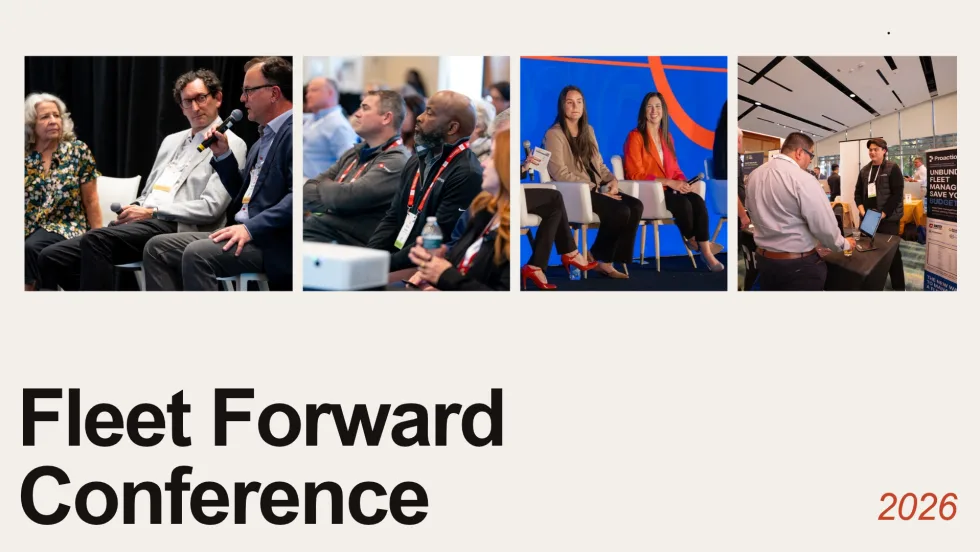
What Happened at Fleet Forward Conference 2026?
Here's what happened at this year's Fleet Forward conference, all in photo form.
Read More →
Chad Edmondson Named 2026 Fleet Safety Award Winner
The VSC Fire & Security fleet director oversees more than 1,100 assets nationwide. His approach to improving driver safety emphasizes collaboration, employee engagement, and building trust with the people behind the wheel.
Read More →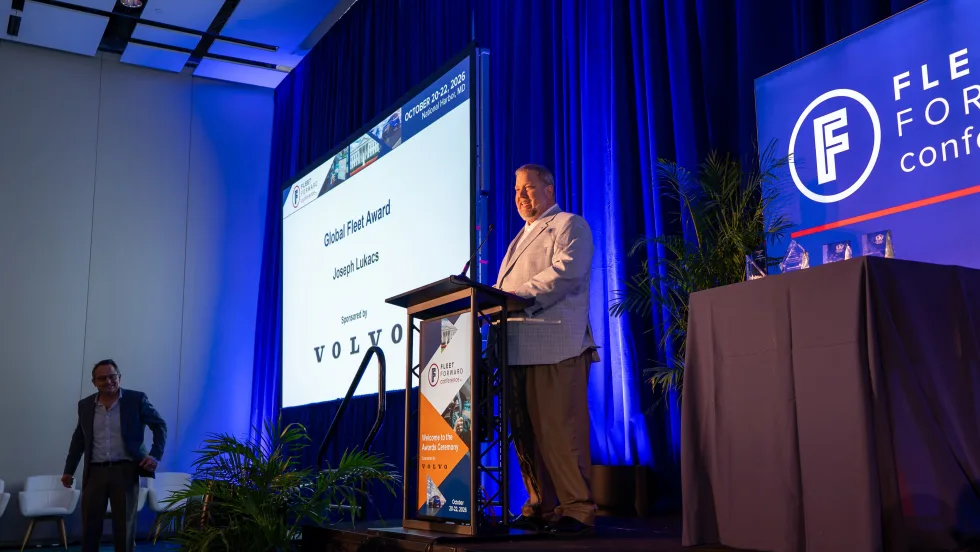
Joseph Lukacs Wins 2026 Global Fleet Manager of the Year
The Sherwin-Williams fleet leader adds another industry honor to his career after being named the 2025 Edward J. Bobit Professional Fleet Manager of the Year.
Read More →
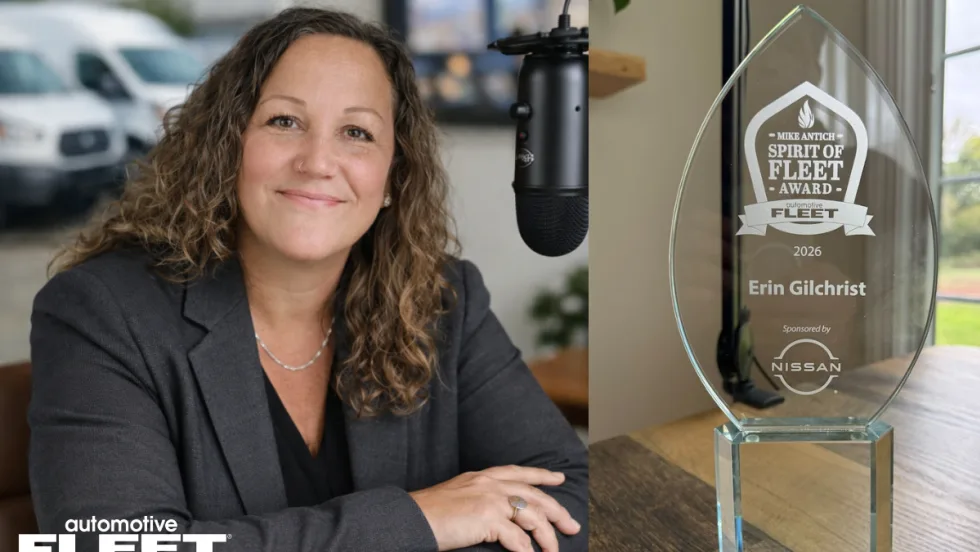
Erin Gilchrist Receives Mike Antich Spirit of Fleet Award
Last week at AFLA in Vegas, Erin Gilchrist received the inaugural, brand-new Spirit of Fleet Award.
Read More →
Dominika Leja Named the 2026 Fleet Manager of the Year
The AstraZeneca associate director of fleet was recognized for her leadership in fleet electrification, cost savings, and operational transformation.
Read More →
Jamie McKay Named the 2026 Fleet Visionary Award Winner
The Aptive Pest Control fleet manager was recognized for her approach to operations, data, lifecycle management, and driver needs.
Read More →
Fleet Forward Conference Introduces One-Day Passes for 2026
New one-day registration gives fleet professionals the flexibility to attend Tuesday, Wednesday, or Thursday, with passes available for $199 through Sept. 18.
Read More →
Vibe Coding: When Fleet Managers Become Software Builders
Five fleet professionals — none with programming skills — discuss how they’re using AI to build fleet solutions in-house and in a fraction of the time.
Read More →