





Related: CEI Adds Rearview Defensive Driving Training Module
Molding a Defensive Driver
Defensive driving techniques allow fleet drivers to combat on-the-road-hazards.
February 24, 2016
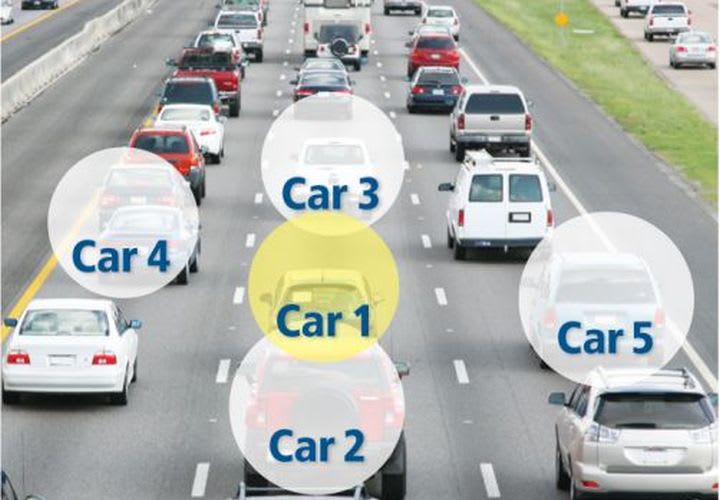
Photo showing "Drive for Five" technique courtesy of iStockphoto.com.
3 min to read
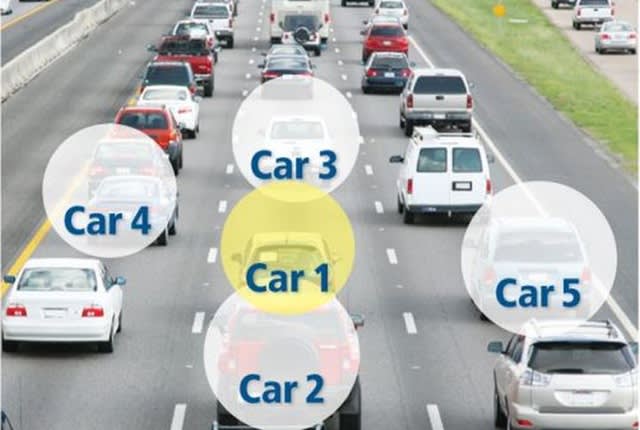
Photo showing "Drive for Five" technique courtesy of iStockphoto.com.
A defensive driver is a safe driver, and that is especially important for fleets and the companies they serve. From sedan to truck fleets, drivers need to know how to properly handle a vehicle, and they need to have sound judgment when presented with road obstacles or reckless drivers.
“Defensive driving is driving to save lives, time, and money, despite the conditions around you and the actions of others,” said James Solomon, director of program development and training for the National Safety Council's (NSC) defensive driving courses. “A defensive driver will never put themselves or anyone else in any kind of danger.”
A good defensive driver practices correct legal driving techniques at all times.
Adding to Solomon’s point is Lander Allin, director, leasing support division office of fleet management for the Federal Acquisition Service with the General Services Administration (GSA). “When behind the wheel, the driver’s job is driving. It is their job to protect themselves, their passengers, the vehicle, which is either a company asset or for which the driver may be receiving a stipend of some type, and people and property around them,” said Allin. “The employee is the most valuable asset.”
'Drive for Five'
To emphasize the importance of defensive driving, Solomon states that fleet drivers should “Drive for Five.”
When a fleet driver practices Drive for Five, he or she monitors his or her own vehicle, the vehicles in front and behind them, and the vehicles to their left and right. But, most importantly, the fleet driver should picture a family member or a friend as a driver in one of the vehicles around them.
“The fleet driver has to drive for all five drivers. They have to make sure that any maneuvers they make are in no way endangering other drivers,” Solomon said.
In developing this Drive for Five mind set, Solomon believes fleet drivers will hold themselves more accountable for their driving habits, and how they could impact those around them and their own families.
A good defensive fleet driver also needs to consider the following; all these vehicles are trying to get to their destinations. But, not all drivers may be able to operate their vehicle properly.
Developing Driver Resources
As a supplement to Drive for Five, fleet managers should monitor their drivers’ behind-the-wheel practices as they implement defensive driving techniques. And, both the NSC and GSA strongly recommend that fleet managers put their drivers through driver training.
“GSA Fleet can, and does, provide the information and tools for training, but the agencies must monitor their drivers for compliance and provide corrective actions when necessary and appropriate,” said Allin.
Fleet managers need to communicate the importance of defensive driving to their fleet drivers; they should do so during the hiring process, in their safety newsletters, and in monthly meetings with their drivers.
As a further check, fleet managers should look at their drivers’ motor vehicle records (MVRs) every six months and they should ensure that fleet driver policy and a safety policy are in place. In case a driver is ticketed for a major moving violation or worse, the fleet driver clearly knows the consequences. And, neither the fleet manager nor the company can be held liable for not providing this information.
The NSC also offers two online training courses: a two- or a four-hour option. The courses allow fleet drivers to look at the way they drive, through the eyes of trained professionals and highway engineers.
“As the driver moves through the course, they will be tested on specific topics,” Solomon said. “Remind fleet drivers, no matter how long they have been driving there are safety practices they can learn.”
Subscribe to Our Newsletter
More Safety

Sponsored•October 1, 2026
Fleet Manager’s Ultimate Playbook: Navigating the New Standard in OEM Connectivity
Rising operating costs, driver safety concerns, and unplanned downtime are putting unprecedented pressure on modern fleets. Discover how fleet managers use embedded OEM connectivity and real-time vehicle data to cut TCO, prevent downtime, and protect drivers without aftermarket telematics hardware.
Read More →
From Driver Well-Being to EV Charging | AF News Recap
Mental health belongs in the fleet safety conversation. This week, we’re looking at five ways fleets can support employee well-being before a crisis, plus Holman’s expansion in Mexico, new one-day Fleet Forward passes, and why EV charging demand is outpacing infrastructure growth.
Read More →
Nexar-Nauto Merger Aims to Give Fleets Better Safety Intelligence Through Larger Driving Dataset
Stefan Heck tells Automotive Fleet that combining more than 10 billion miles of driving history with Nexar's AI models will give fleets deeper insights into driver risk and roadway conditions than either company could provide independently.
Read More →
Don't Wait for a Crisis: 5 Ways to Build Mental Health Into Your Fleet Safety Program
For Suicide Prevention Month, fleet and safety leaders have an opportunity to put mental health where it belongs: at the center of workplace safety.
Read More →
How Camera Data Can Strengthen a Fleet’s Insurance Renewal
Insights from a commercial insurance carrier and a broker show how fleets can turn video telematic data, driver coaching, and improved claims results into a stronger case at insurance renewal.
Read More →
The Safest Fleets Aren’t the Ones with the Most Technology
You’ve made the telematics investment. Here’s how to capture the other half of its value and build the safest fleet on the road.
Read More →
Sponsored•August 7, 2026
Hidden in Plain Sight: Fleet Compliance Risks
Fleet compliance isn't just about having policies — it's about consistently enforcing them. This practical guide reveals six hidden compliance risks common in public sector and shared fleet operations and outlines proven strategies to improve visibility, accountability, and audit readiness
Read More →
NETS Sets 2026 Fleet Safety Benchmark Conference for Indianapolis
The Sept. 15–17 program will feature fleet benchmarking data, case studies, emerging technologies, and implementation strategies while running alongside the NSC Safety Congress & Expo.
Read More →
Off-the-Job Crashes Account for 43% of Employers’ $61.7 Billion Crash Burden
NETS quantifies costs dispersed across fleet, risk, HR, and other departments while providing new per-crash benchmarks for employers.
Read More →
Ram Recalls More Than 1.27 Million 1500 Pickups for Seat Belt Anchor Issue
The recall affects certain 2019-2026 Ram 1500 pickups that may have improperly attached second-row seat belt buckle anchors.
Read More →