




Micromobility: The Missing Link Between People and Cities
Micromobility includes options that are both physically small and meant for short distances: electric scooters, shared dockless bikes, and electric bikes.
One of the largest trends in real estate over the past few years has been urbanization.
Millennials and Generation Z alike are looking for homes and jobs in cities, where they can walk and take public transportation for daily life. The trend has moved so much in this direction that the demand has outweighed the supply, and so far our public transportation infrastructure across the country has been unable to keep up.
Enter: micromobility.
Micromobility includes options that are both physically small and meant for short distances: electric scooters, shared dockless bikes, and electric bikes. The boom really took off in late 2017, with the introduction of several different companies in cities across the country. They began to consolidate, and main operators like Lyft, Uber, Bird, Skip, Lime, and Spin are still in the game (though rumors continue swirling around Uber and Lyft purchasing some of the smaller companies).
The popularity of these options shouldn’t be surprising. First of all, they’re fun — especially when the weather is nice. But additionally, they can play a huge role in cities of all sizes: solving the first- and last-mile problem. As cities continue to grow and develop, the existing public transportation infrastructure (particularly for mass transit like subways) often struggles to keep up. This means enviable destinations for both work and play are farther from metro stops, causing people who don’t want to walk that last mile to just drive the whole way instead of relying on public transit.
With scooters and e-bikes more readily available, people can complete their trips with ease, giving them the confidence to take public transportation more often. They also play an interesting role in potentially reducing short car trips. The average trip for a JUMP electric bike in D.C. is 3 miles, about twice the distance of the average trip on a traditional bikeshare. This difference is at the inflection point where a user would consider calling a car, but because of the ease and availability of the electric bikes, they’ll make a more sustainable choice.Scooters and electric bikes also solve another hurdle with sustainable commuting. People often choose not to bike to work because they’ll arrive disheveled and don’t have on-site shower facilities; electric options remove this barrier. Particularly in geographically smaller cities like D.C., this can make a huge difference.
Micromobility is not the only solution, and it’s certainly not meant to replace public transit. However, investing in infrastructure like light rail and subway expansions takes time and money. Maryland’s Purple Line light-rail project has been discussed since 1994 and under construction since 2017; and it still isn’t slated to be finished until 2024. Micromobility can fill in the gaps while cities continue to invest in dependable public transit.
Indeed, additional infrastructure for micromobility itself is also a requirement to its success. Without increased numbers of protected bike lanes and changed curb spaces, people will be less likely to feel safe taking full advantage.We have an opportunity to create a robust mobility network for cities and their suburbs, expanding transit’s reach farther than public options currently allow. By supporting private companies while simultaneously encouraging continued expansion of public transit, we can support people who can’t live directly in the urban core.
Ryan Croft is COO and cofounder of Washington, DC-based TransitScreen.
More Fleet Forward

Chad Edmondson Named 2026 Fleet Safety Award Winner
The VSC Fire & Security fleet director oversees more than 1,100 assets nationwide. His approach to improving driver safety emphasizes collaboration, employee engagement, and building trust with the people behind the wheel.
Read More →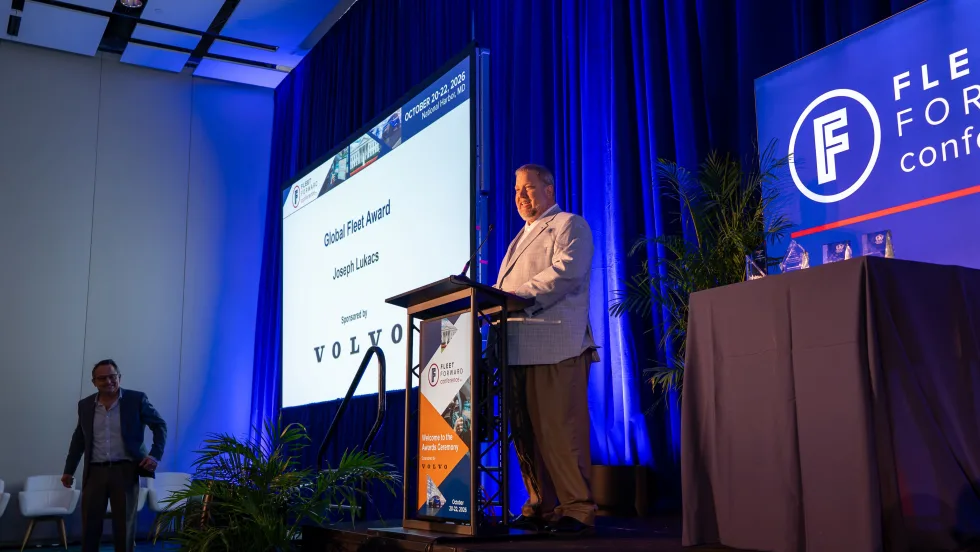
Joseph Lukacs Wins 2026 Global Fleet Manager of the Year
The Sherwin-Williams fleet leader adds another industry honor to his career after being named the 2025 Edward J. Bobit Professional Fleet Manager of the Year.
Read More →
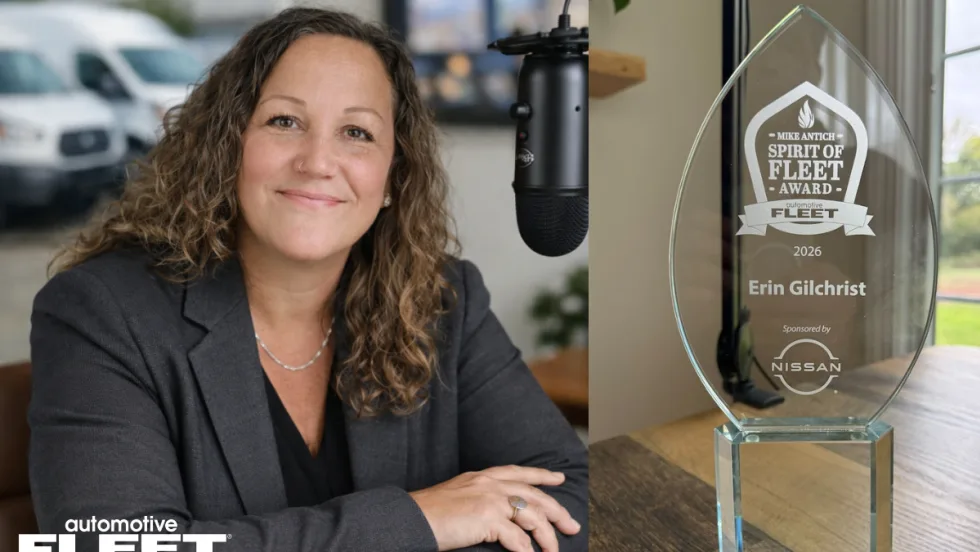
Erin Gilchrist Receives Mike Antich Spirit of Fleet Award
Last week at AFLA in Vegas, Erin Gilchrist received the inaugural, brand-new Spirit of Fleet Award.
Read More →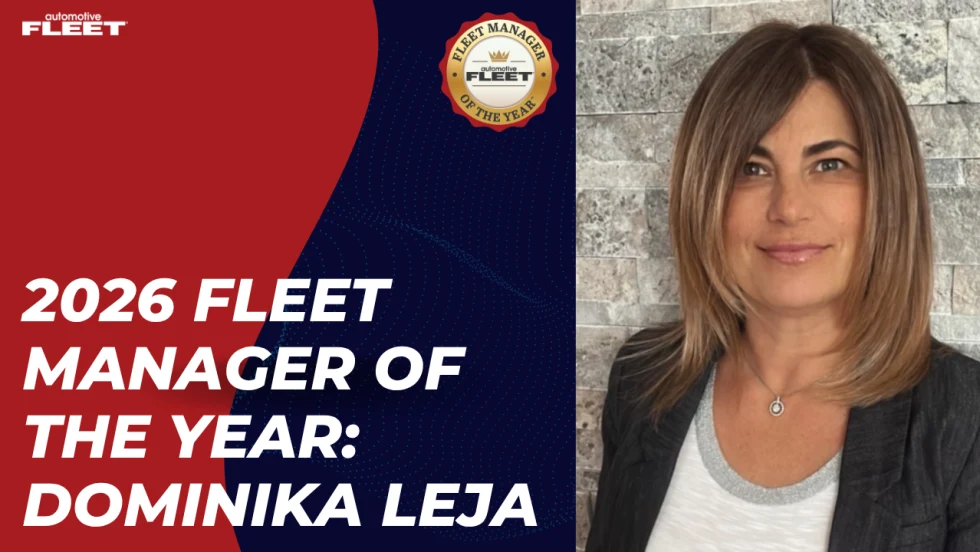
Dominika Leja Named the 2026 Fleet Manager of the Year
The AstraZeneca associate director of fleet was recognized for her leadership in fleet electrification, cost savings, and operational transformation.
Read More →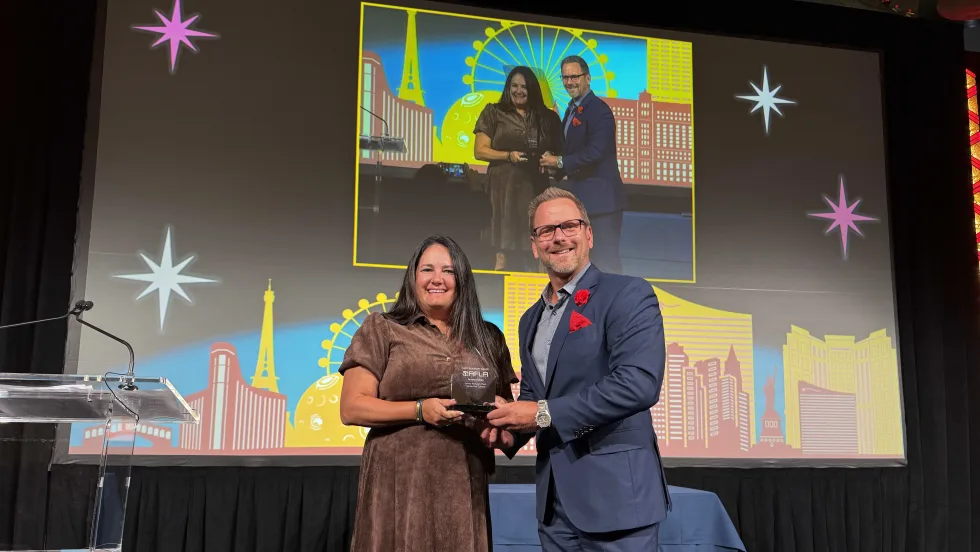
Jamie McKay Named the 2026 Fleet Visionary Award Winner
The Aptive Pest Control fleet manager was recognized for her approach to operations, data, lifecycle management, and driver needs.
Read More →
Fleet Forward Conference Introduces One-Day Passes for 2026
New one-day registration gives fleet professionals the flexibility to attend Tuesday, Wednesday, or Thursday, with passes available for $199 through Sept. 18.
Read More →
Vibe Coding: When Fleet Managers Become Software Builders
Five fleet professionals — none with programming skills — discuss how they’re using AI to build fleet solutions in-house and in a fraction of the time.
Read More →
Fleet Forward Conference Tackles Fleet Industry’s Growing Leadership Gap
This session will examine succession planning, knowledge transfer, and the skills the next generation of fleet leaders will need as veteran professionals leave the industry.
Read More →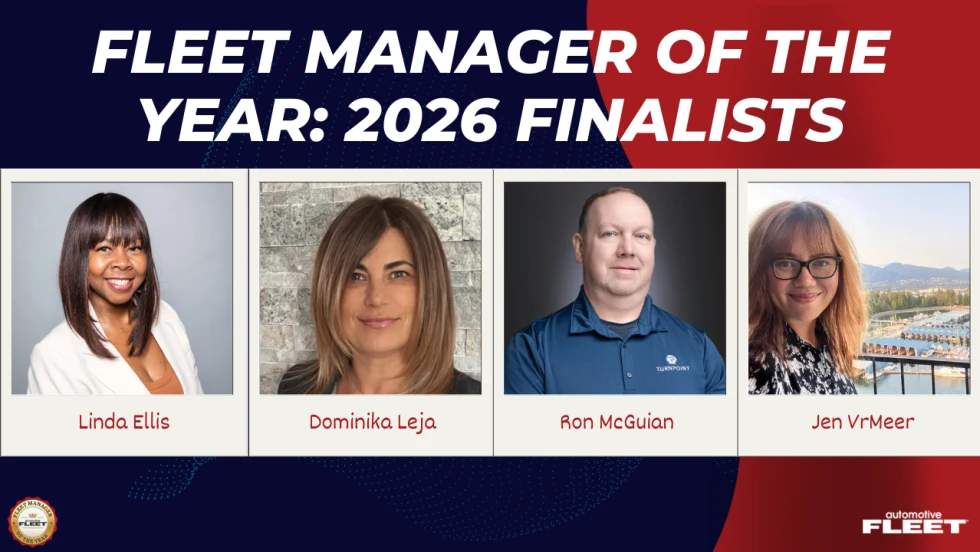
2026 Fleet Manager of the Year Finalists Announced
Who are the 2026 Fleet Manager of the Year finalists?
Read More →