




Merchants Fleet Outlines Fleet Manager, FMC Roles in Mobility Era
While harvesting data and new concepts such as shared mobility may reduce fleet size, Keegan says the increased importance of utilization and return on net assets make conserving fleet spend is an imperative.

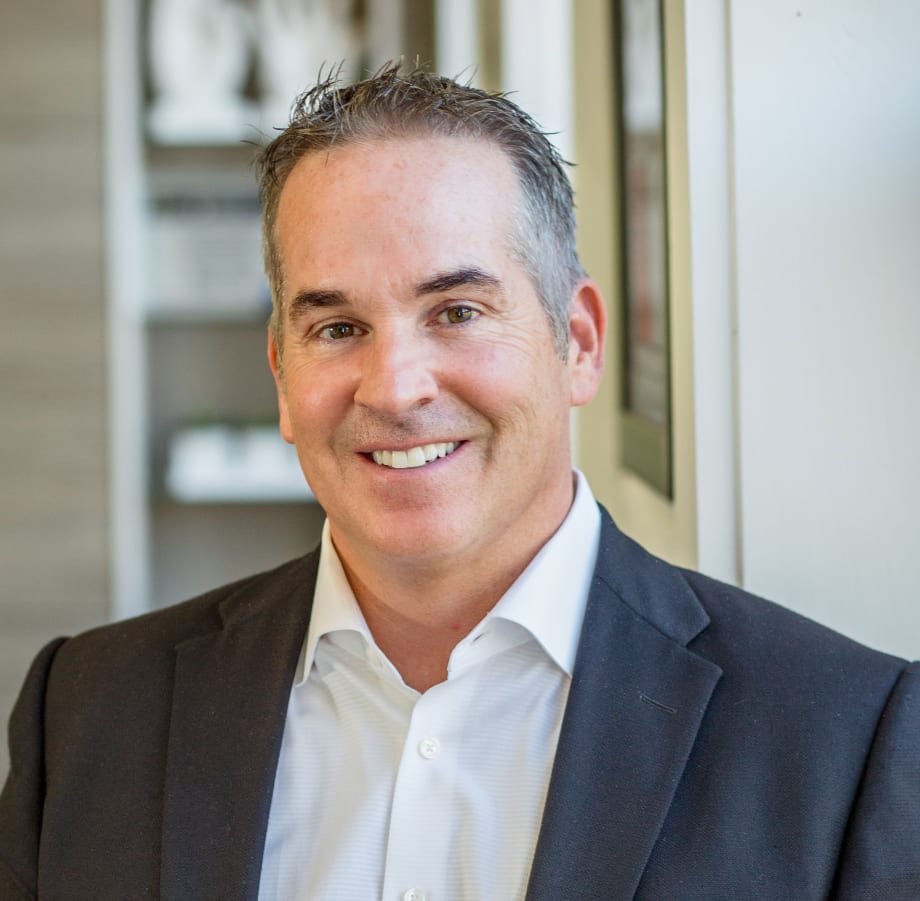
Brendan Keegan is CEO of Merchants Fleet.
Photo courtesy of Merchants Fleet.
Brendan P. Keegan, CEO of Merchants Fleet, remembers his time at a previous company that ran a large fleet and how spikes in demand, weather issues, and seasonality made fleet management difficult.
“The concept of ‘mobility’ wasn't talked about, but we could’ve employed telematics and sharing technologies to get better utilization that would have allowed us to be much more efficient,” he says.
The times, they are a changing. New concepts in consumer transportation, particularly shared mobility, are being tested today in fleet applications. While sharing vehicles in fleet applications may not yet be easily grasped, Keegan sees it as an evolution of traditional pool management and rentals, managed by technology and informed by a flood of new data sets.
“I believe we're on the cusp of what technology is going to do in the fleet industry,” he says.
Keegan predicts sharing scenarios in which companies with specific transportation needs could access vehicles on demand on an hourly, daily, weekly, or even monthly basis through centrally located stations. These vehicles would also be available to other companies that have joined the program.
Fleet sharing opportunities could be realized in markets as diverse as oil and gas, field project management, construction, telecommunications, distribution and logistics, healthcare, and biomedical, Keegan says, though these markets are untested so far.
However, Merchants Fleet is piloting a program in a market viewed as “low-hanging fruit” — colleges and universities. Merchants’ Campus Share program in Boston places vans strategically so they can be accessed by multiple universities.
In the past, sports teams and clubs may have purchased or leased vans for sporadic use and settled for years of low utilization. Now, they’re conserving constrained budgets and only paying for the times they need to travel.
For fleets looking into a shared mobility program, the goal is to increase an asset’s utilization, which could lower fleet count if demand remained static. This may seem counterintuitive to some fleet management company (FMCs) in the old way of thinking.
“You’re basically saying the FMC is going to reduce revenue,” Keegan says. “To tell clients they should reduce their leases from 500 to 400, that takes a bit of courage.”
Yet as clients put more importance today on higher utilization rates and on metrics such as return on net assets, conserving fleet spend is an imperative.
“As technology disrupts markets and the fleet industry, FMCs need to accept that some revenue streams will disappear while others increase,” he adds. “The winners in this space will be willing to cannibalize their own revenue streams.”
Understanding Data
“We're really just beginning to understand what mobility is, and that starts with understanding the available data at a much better level,” Keegan says.
Take telematics, for instance. Instead of installing aftermarket devices across multiple vehicle models, one day standardized hardware will come straight from the factory in all vehicles. This will alleviate costs and headaches — yet produce new obligations.
With universal connectivity, it will be incumbent on an FMC to take disparate telematics data streams and connect them to their internal systems. The output will need to be digestible and actionable for fleets. In turn, the increase in data output will put more pressure on fleet managers to use that data to drive fleet efficiencies.
Keegan foresees a greater assimilation of telematics data and artificial intelligence. Corrective in-cab coaching to address erratic driving will become ubiquitous. Meanwhile, vehicles will be able to more seamlessly adjust driving characteristics to individual profiles. The result will be improved fuel economy and reduced maintenance costs.
Keegan gives the example of a vehicle that with better maintenance could travel 5,000 extra miles before its tires needed changing. “That doesn't seem like a big deal until you've got a thousand vehicles in your fleet,” he says.
“This is real dollars, but not a major shift,” he continues. “It’s just tying together the data between the vehicle, the fleet manager, and the FMC.”
Strategic Consultants
Keegan sees a bright future for both fleet managers and FMCs — for those who can adapt to this new world of connectivity and data management.
“There's a lot more data, but fleet managers have fewer hours to review that data,” he says. “The responsibility for the utilization of that data and the solutions to apply really resides with the FMCs.”
Fleet managers’ titles and the roles may change, or even expand to include data management or responsibility for a portfolio of travel within a company, Keegan says. In any case, the fleet managers and FMCs that will prevail will be able to act as strategic consultants to understand the best applications for their fleets in this new mobility ecosystem.
“The FMC will have to take a more proactive role in terms of the best use and applications for a fleet to get the lowest TCO and highest return on assets,” Keegan says. “I think there will always be a role for the FMC and the fleet managers that can help their companies optimize their spend.”
More Fleet Forward
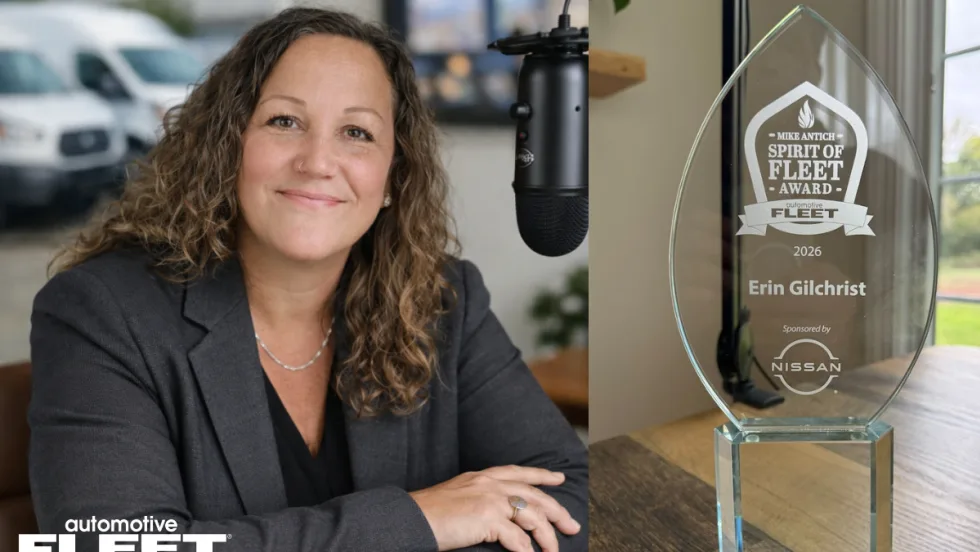
Erin Gilchrist Receives Mike Antich Spirit of Fleet Award
Last week at AFLA in Vegas, Erin Gilchrist received the inaugural, brand-new Spirit of Fleet Award.
Read More →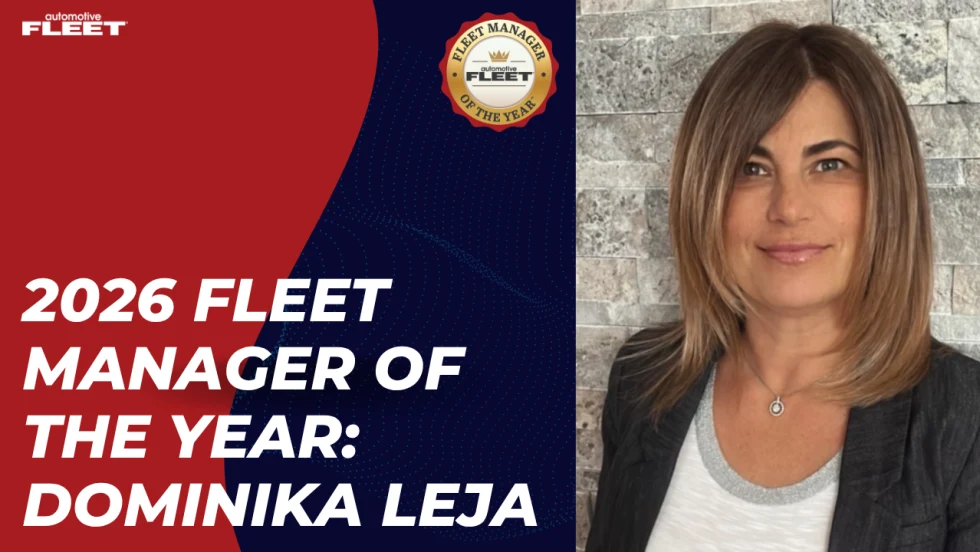
Dominika Leja Named the 2026 Fleet Manager of the Year
The AstraZeneca associate director of fleet was recognized for her leadership in fleet electrification, cost savings, and operational transformation.
Read More →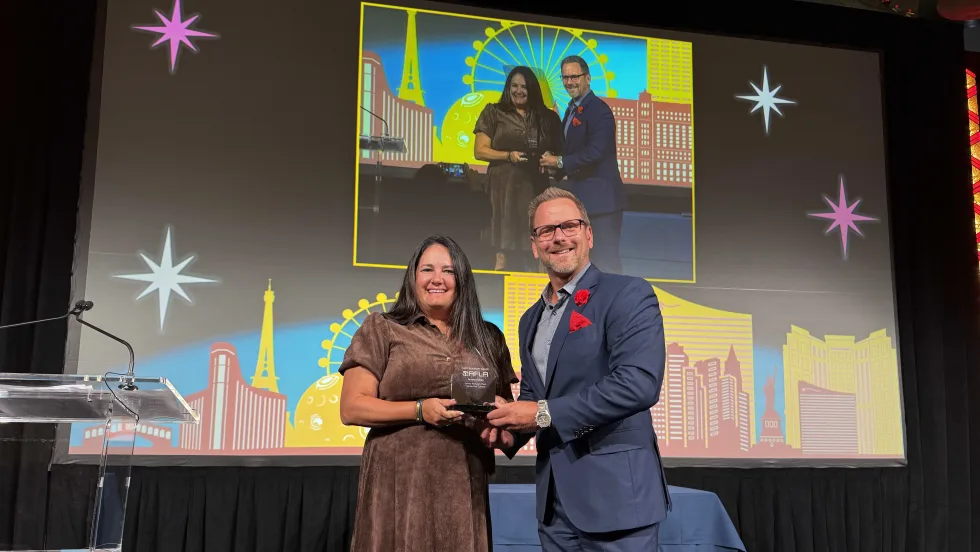
Jamie McKay Named the 2026 Fleet Visionary Award Winner
The Aptive Pest Control fleet manager was recognized for her approach to operations, data, lifecycle management, and driver needs.
Read More →
Fleet Forward Conference Introduces One-Day Passes for 2026
New one-day registration gives fleet professionals the flexibility to attend Tuesday, Wednesday, or Thursday, with passes available for $199 through Sept. 18.
Read More →
Vibe Coding: When Fleet Managers Become Software Builders
Five fleet professionals — none with programming skills — discuss how they’re using AI to build fleet solutions in-house and in a fraction of the time.
Read More →
Fleet Forward Conference Tackles Fleet Industry’s Growing Leadership Gap
This session will examine succession planning, knowledge transfer, and the skills the next generation of fleet leaders will need as veteran professionals leave the industry.
Read More →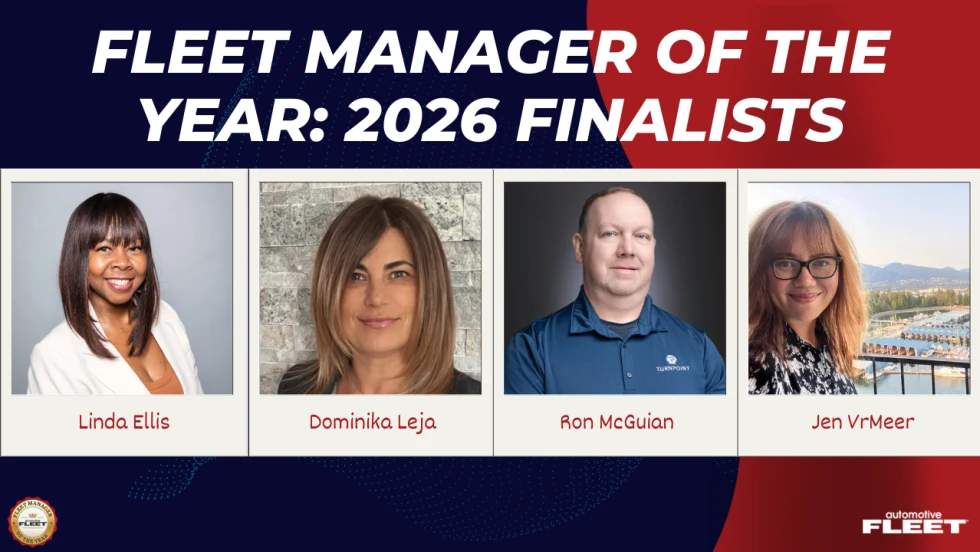
2026 Fleet Manager of the Year Finalists Announced
Who are the 2026 Fleet Manager of the Year finalists?
Read More →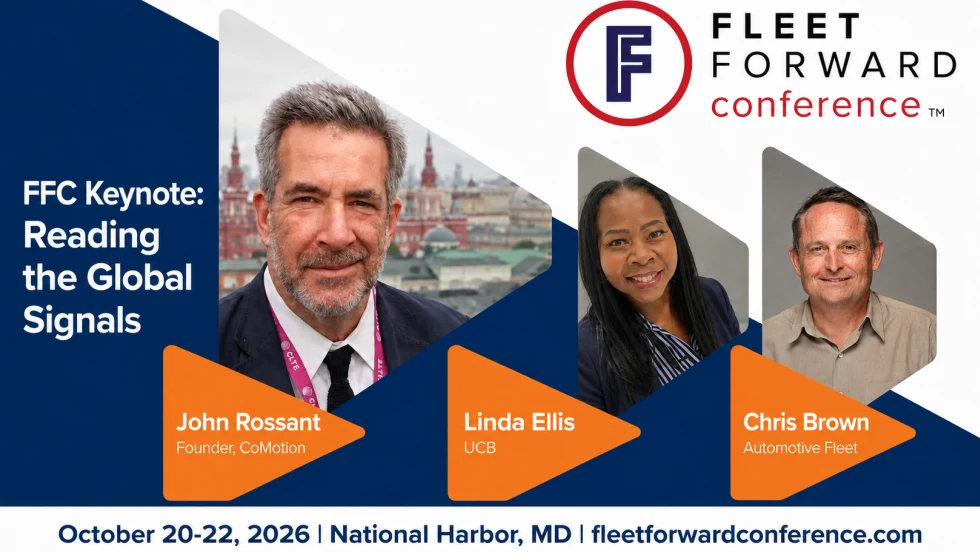
John Rossant to Deliver Opening Keynote at 2026 Fleet Forward Conference
The CoMotion founder will draw on developments across Europe, China, the Middle East, and other international markets to identify trends that could influence how U.S. fleets plan for the coming decade.
Read More →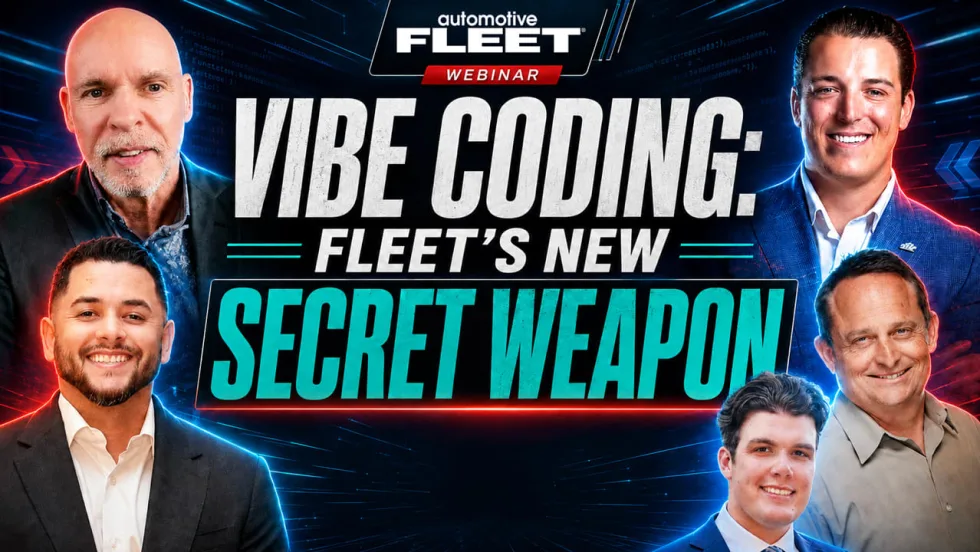
How to Build Custom Fleet Tools With AI and Vibe Coding [Webinar]
A new Automotive Fleet webinar explores how fleet managers are using AI and vibe coding to automate routine work and create simple operational tools without traditional programming skills.
Read More →