




Merchants Fleet Defines Scenarios for Sharing Fleet Vehicles
John Cail of Merchants Fleet outlines use cases in which fleet operators are implementing technology to facilitate automated, on-demand access to vehicles. The higher utilization is allowing them to eliminate 15% of their fleet vehicles — and in some cases 30%.

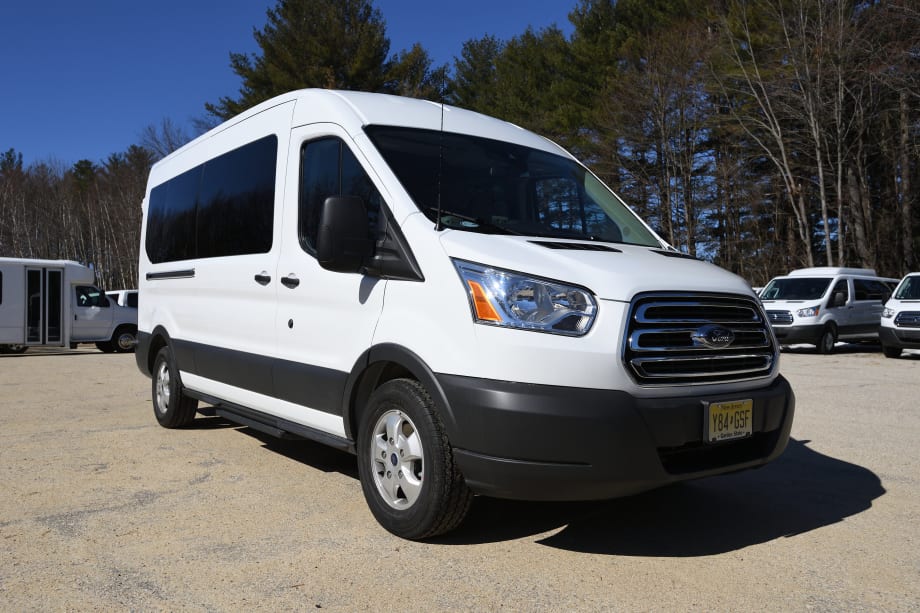
Merchants Fleet CampusShare college clients use passenger vans such as the Ford Transit.
Photo courtesy of Merchants Fleet.
We’re sharing everything these days, from movies and living spaces to parking spaces and dog sitters. Sharing vehicles is low-hanging fruit too, as most sit idle for more than 90% of the day.
However, when it comes to fleet vehicles — with higher utilization and often purpose-built for a specific job — the opportunity to share them is not as obvious.
Yet new mobility technology is leveraging new ways to drive greater productivity and efficiencies with fleet vehicles too. John Cail, vice president of Mobility Leasing Services at Merchants Fleet, explains scenarios in which organizations have implemented sharing programs and are realizing the budget savings of higher fleet utilization.
Updating the Pool
The basic concept of sharing fleet vehicles works similarly to a consumer carsharing arrangement: In-vehicle connected technology allows remote access to vehicles and the ability to track them. Users sign up, are approved, reserve, and gain access to vehicles through a platform.
An organization can use this technology to share their own fleet vehicles internally, or they can access vehicles externally and on-demand through a third-party service.
A natural progression to sharing comes from a fleet vehicle “pool,” traditionally prevalent with government fleets, in which owned or leased assets are signed out to employees internally. Though the intent of a fleet pool is to increase vehicle utilization, they’re notoriously bloated in a manual system.
“Typically, when you're not using technology there's always going to be more vehicles than you really need,” Cail says. “No (program manager) wants that phone call (from a user) saying there isn’t a car available, so they keep more on hand than needed.”
“It’s no longer about getting the keys in the morning and returning them at night,” Cail says. “It’s more about optimizing usage and matching demand to vehicle availability.”
Eradicating inefficiencies through sharing technology should lower the number of units needed in the pool and thus conserve the fleet budget. And, with automation, the organization can redeploy the employee who managed the program into other work, he says.
Connecting Organizations
Another scenario allows access to vehicles that are shared among other outside organizations. The vehicles are owned and managed by a third party.
Colleges and universities have a myriad of internal departments, particularly with student activities and club sports, that need vehicles on a sporadic basis. With perennial budget challenges, they’re not looking to own or even lease vehicles, Cail says.
“They don’t need to outlay $45,000 for a van, they only want access to them when needed,” he says. “We’ve taken these smaller groups that were funding challenged and connected them to a usage program in their neighborhood.”
As part of a Merchants program, four universities in Boston within a one-mile radius share up to 10 units. Merchants is looking to expand the number of schools and units commensurately.
A similar scenario involves utility vehicles, from cargo vans to pickup trucks. “It could be a plumbing company that has a major project or an emergency,” he says. “They just need access to an extra vehicle; they don't have to own it and stock it.”
In a specific use case, a Merchants client has enough demand to warrant having two or three vehicles on its premises to access as needed, but without a commitment to utilization. As more clients with similar needs come onboard, utilization rises, and more vehicles and geographies can be added.
A Closed Circuit
A “closed circuit” sharing scenario addresses larger companies in a campus setting that have a high amount of driver reimbursement. The reimbursement of personal vehicles would shift to a single-point, closed-circuit pool designed for that organization.
This scenario can shrink the overall number of fleet vehicles too, while eliminating per-mile reimbursement charges.
Cail outlines a case in which a hospital that customarily reimbursed visiting nurses for travel expenses such as home patient visits now offers those nurses access to a fleet of cars on demand, with hospital branding.
“The hospital got out of reimbursement,” he says. “They've got their branding on the vehicles and the look and feel that they want. They have better (vehicle) reliability and they've cut overall costs.”
Merchants has also given its scholastic clients vehicle magnets branded with their university logos. “It’s a nice touch and it doesn’t feel like a rental,” Cail says. “They don’t own the unit; they only access it, but for that timeframe the van is associated with the university.”
The Next Steps
Proponents of fleet sharing envision a future in which types of uses are expanded throughout a single day.
For instance, vehicles could be accessed for morning and afternoon commutes and then during the workday for deliveries or appointments. At night or on the weekend, those vehicles could be shared with the public — providing incremental revenue back to the organization.
“We can definitely see that type of public-private relationship come to pass at some point, but we’re not there yet,” Cail says, citing the hurdle of vetting users from the general public and the associated liabilities.
For many years to come, the one-user, one-fleet-vehicle relationship will remain intact — the classic examples being purpose-built vocational trucks or the salesperson with a company car covering a wide territory and driving 20,000 miles a year.
Yet the best fleet managers have always been on a relentless search to gain efficiencies and lower costs. Sharing is just an extension of this mandate, Cail says.
Cail says that he’s spoken with some clients who claimed to be at maximum fleet utilization already. Yet after implementing technology that allows the same vehicles to be used multiple times in a day, they were able to eliminate 15% of their fleet vehicles — and in some cases 30%.
Along with the advancements in technology, attitudes toward the company car perk are changing, particularly as newer generations enter the workforce — the ones who prize the cell phone over the driver’s license.
“They have very little problem with having access to a vehicle when needed, for sure,” Cail says.
More Fleet Forward

Erin Gilchrist Receives Mike Antich Spirit of Fleet Award
Last week at AFLA in Vegas, Erin Gilchrist received the inaugural, brand-new Spirit of Fleet Award.
Read More →
Dominika Leja Named the 2026 Fleet Manager of the Year
The AstraZeneca associate director of fleet was recognized for her leadership in fleet electrification, cost savings, and operational transformation.
Read More →
Jamie McKay Named the 2026 Fleet Visionary Award Winner
The Aptive Pest Control fleet manager was recognized for her approach to operations, data, lifecycle management, and driver needs.
Read More →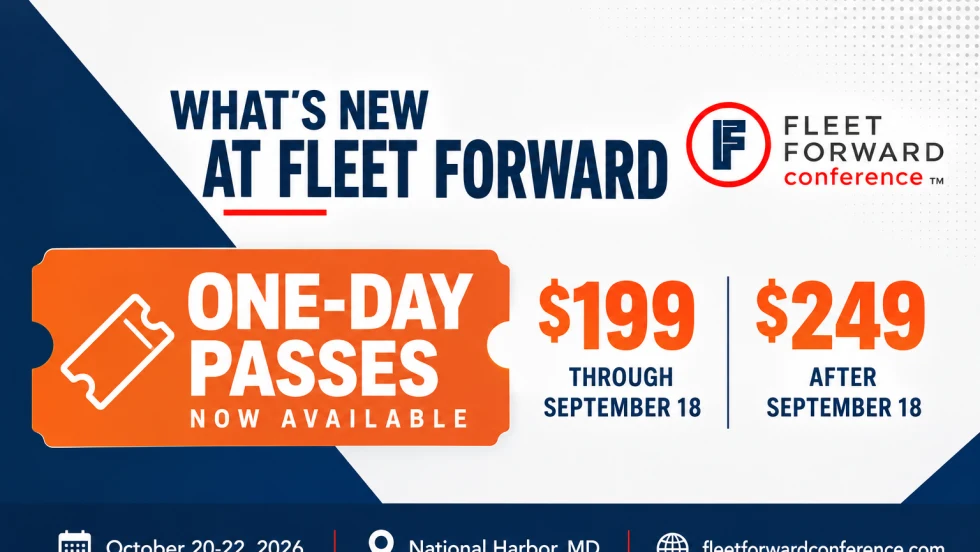
Fleet Forward Conference Introduces One-Day Passes for 2026
New one-day registration gives fleet professionals the flexibility to attend Tuesday, Wednesday, or Thursday, with passes available for $199 through Sept. 18.
Read More →
Vibe Coding: When Fleet Managers Become Software Builders
Five fleet professionals — none with programming skills — discuss how they’re using AI to build fleet solutions in-house and in a fraction of the time.
Read More →
Fleet Forward Conference Tackles Fleet Industry’s Growing Leadership Gap
This session will examine succession planning, knowledge transfer, and the skills the next generation of fleet leaders will need as veteran professionals leave the industry.
Read More →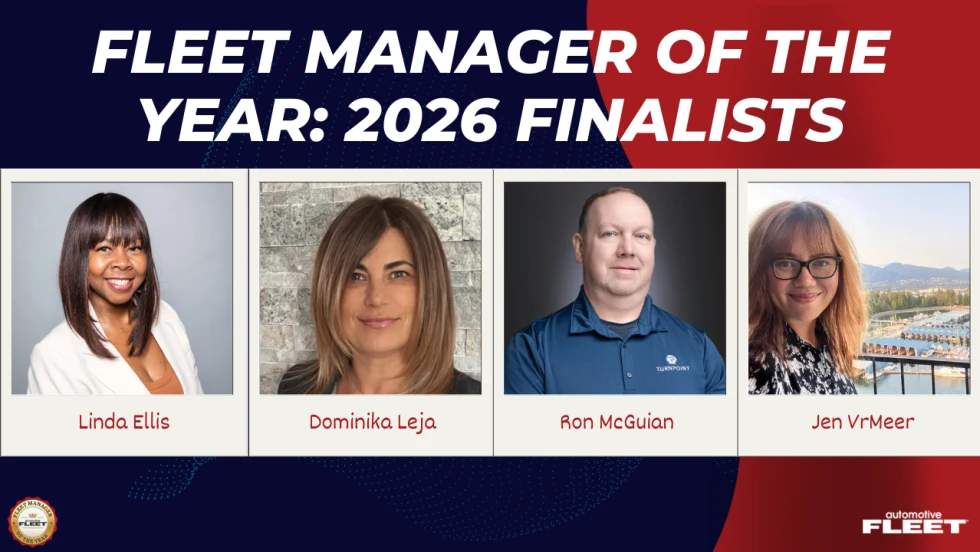
2026 Fleet Manager of the Year Finalists Announced
Who are the 2026 Fleet Manager of the Year finalists?
Read More →
John Rossant to Deliver Opening Keynote at 2026 Fleet Forward Conference
The CoMotion founder will draw on developments across Europe, China, the Middle East, and other international markets to identify trends that could influence how U.S. fleets plan for the coming decade.
Read More →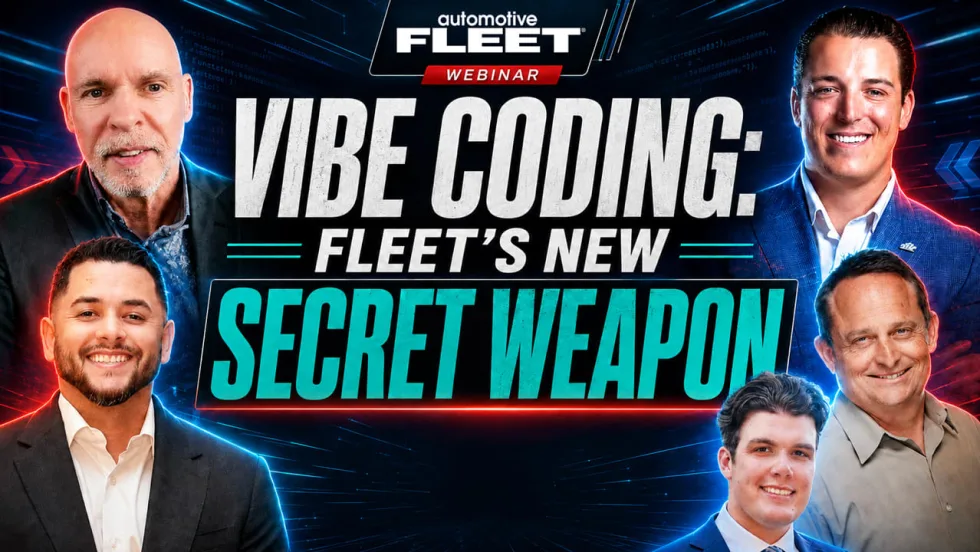
How to Build Custom Fleet Tools With AI and Vibe Coding [Webinar]
A new Automotive Fleet webinar explores how fleet managers are using AI and vibe coding to automate routine work and create simple operational tools without traditional programming skills.
Read More →