




Related: Predicting the Evolution of Mobility Options in the Pandemic Recovery
Last-Mile Deliveries Surge in a Socially Distanced World
In this environment, last-mile fleets offer a lifeline for the delivery of products and goods to those unable or unwilling to leave their homes.
by Mike Antich
March 31, 2020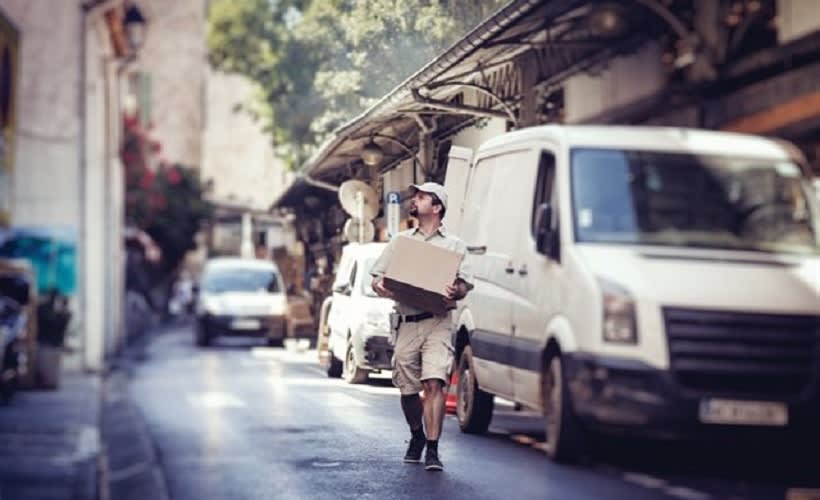
As the volume of last-mile deliveries skyrocket, there is heightened pressure to meet demanding delivery targets.
Photo courtesy of istockphoto.com/nullplus.
4 min to read
Since it officially became a pandemic, the long-term impact of the novel coronavirus (COVID-19) on fleet remains uncertain; however, one positive impact has been a surge in last-mile deliveries as entire states implement shelter-in-place mandates and people follow social distancing guidelines.
The term “last-mile” refers to the final stage in the delivery of products and goods from a local distribution center to customers, although the word “mile” is used loosely and can vary from dozens of miles to just a few blocks. Since the start of the pandemic, there has been an unprecedented spike in online orders. Last-mile delivery fleets were already the fastest growing fleet segment, but COVID-19 has been the catalyst triggering an even stronger surge in final-mile deliveries.
In addition, grocery and restaurant home deliveries have exploded due to social distancing concerns. In this environment, last-mile fleets offer a lifeline for the delivery of products and goods to those unable or unwilling to leave their homes.
Drivers on the Pandemic Frontlines
In reaction to the pandemic, last-mile delivery companies have implemented “contactless delivery” procedures by adopting new safety rules, supplying drivers with gloves and masks, and giving customers the option not to sign on delivery, but to have the driver sign instead.
But this hasn’t been the case consistently throughout the delivery industry. Many deliveries are done by independent subcontractors, who may not offer their drivers an adequate supply of sanitary products.
Plus, many of these subcontractors employ contract drivers, which further limits what they need to provide not only in the way of sanitary supplies, but also health insurance and sick time, which impacts driver morale as they work in environments with a higher risk of exposure to the virus. Just like the rest of us, drivers find it difficult to get sanitizer, gloves, and disinfectant wipes as panicked hoarders scoop up the entire inventories at retail outlets.
As the volume of last-mile deliveries skyrocket, there is heightened pressure to meet demanding delivery targets. The high volume of deliveries has encroached on the time needed to thoroughly deep clean vans before or after a daily delivery cycle. With many retail businesses closed, drivers are finding it difficult to find places along their routes to frequently wash their hands as recommended by health authorities.
Some drivers are concerned that they don’t have the basics to safely do their job. For instance, they complain about the lack of gloves, masks, hand sanitizers, and alcohol wipes, especially as they are involved with more customer interaction in opening gates, touching doorknob, and ringing doorbells. Plus, drivers are handling packages all day long, which potentially increases the possibility of virus transmission to customers and others. The COVID-19 virus can live on plastic for three days and cardboard for 24 hours.
I’ve heard stories of some consumers leaving delivered packages with non-perishable items in their garages for 72 hours before opening. There is also anxiety among some drivers. If they develop a cough; is it a cold or is it COVID-19? Since it is still difficult to get tested, it can potentially cause anxiety and mental distractions while driving.
Last-Mile Fleets Accumulate Hard Miles
E-commerce sales accounted for 11% of all retail sales in 2019. The tremendous growth in e-commerce has caused a fundamental shift in delivery logistics. Last-mile delivery companies are looking to better utilize their existing fleets with speedier and higher volume deliveries expanding to seven days a week by introducing Sunday deliveries, but this high utilization has increased stress on van maintenance. The last-mile driving patterns, which include stop-and-go driving, extended idling periods, and higher mileage takes a toll on the delivery vehicles. It is reported that about two-fifths of overall logistics costs are associated with the last-mile, which encourage fleets to consider alternative vehicle assets to deliver packages.
For instance, the on-the-road demands entailed in last-mile delivery have caused fleets to look to smaller, nimbler, and more fuel-efficient options. These vehicles offer better fuel economy, greater driver comfort, a tighter turning radius, and a variety of upfitting options tailored to specific fleet applications to increase productivity.
Whatever the final impact of the pandemic on fleet management, one legacy will be the creation of an expanded base of new customers comfortable with e-commerce transactions to be serviced by a growing number of final-mile delivery fleets.
This blog was originally posted on Heavy Duty Trucking.
Subscribe to Our Newsletter
More Fleet Forward

Chad Edmondson Named 2026 Fleet Safety Award Winner
The VSC Fire & Security fleet director oversees more than 1,100 assets nationwide. His approach to improving driver safety emphasizes collaboration, employee engagement, and building trust with the people behind the wheel.
Read More →
Joseph Lukacs Wins 2026 Global Fleet Manager of the Year
The Sherwin-Williams fleet leader adds another industry honor to his career after being named the 2025 Edward J. Bobit Professional Fleet Manager of the Year.
Read More →

Erin Gilchrist Receives Mike Antich Spirit of Fleet Award
Last week at AFLA in Vegas, Erin Gilchrist received the inaugural, brand-new Spirit of Fleet Award.
Read More →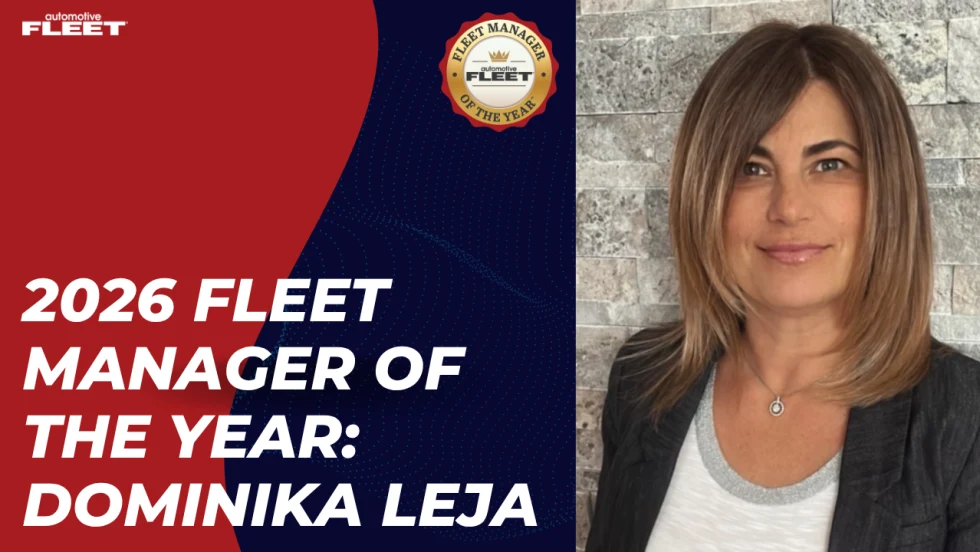
Dominika Leja Named the 2026 Fleet Manager of the Year
The AstraZeneca associate director of fleet was recognized for her leadership in fleet electrification, cost savings, and operational transformation.
Read More →
Jamie McKay Named the 2026 Fleet Visionary Award Winner
The Aptive Pest Control fleet manager was recognized for her approach to operations, data, lifecycle management, and driver needs.
Read More →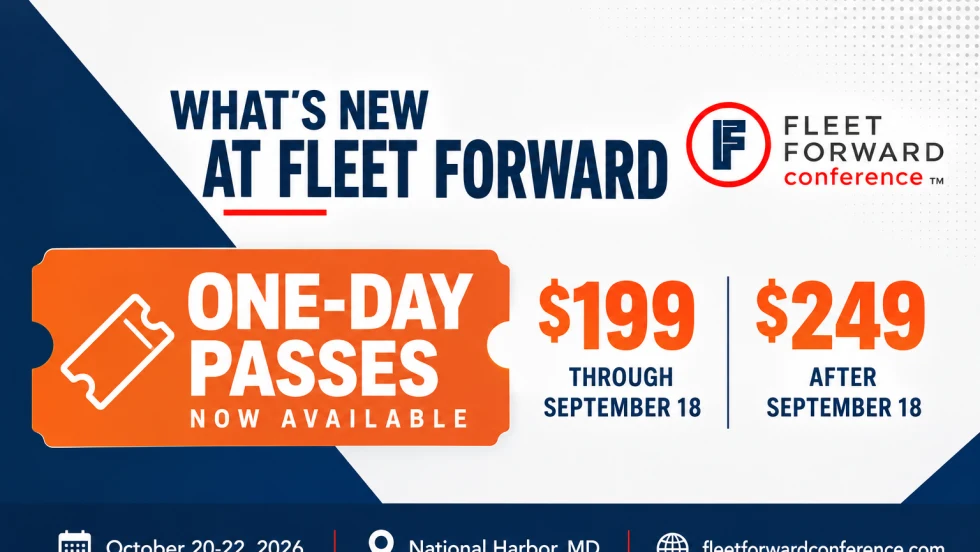
Fleet Forward Conference Introduces One-Day Passes for 2026
New one-day registration gives fleet professionals the flexibility to attend Tuesday, Wednesday, or Thursday, with passes available for $199 through Sept. 18.
Read More →
Vibe Coding: When Fleet Managers Become Software Builders
Five fleet professionals — none with programming skills — discuss how they’re using AI to build fleet solutions in-house and in a fraction of the time.
Read More →
Fleet Forward Conference Tackles Fleet Industry’s Growing Leadership Gap
This session will examine succession planning, knowledge transfer, and the skills the next generation of fleet leaders will need as veteran professionals leave the industry.
Read More →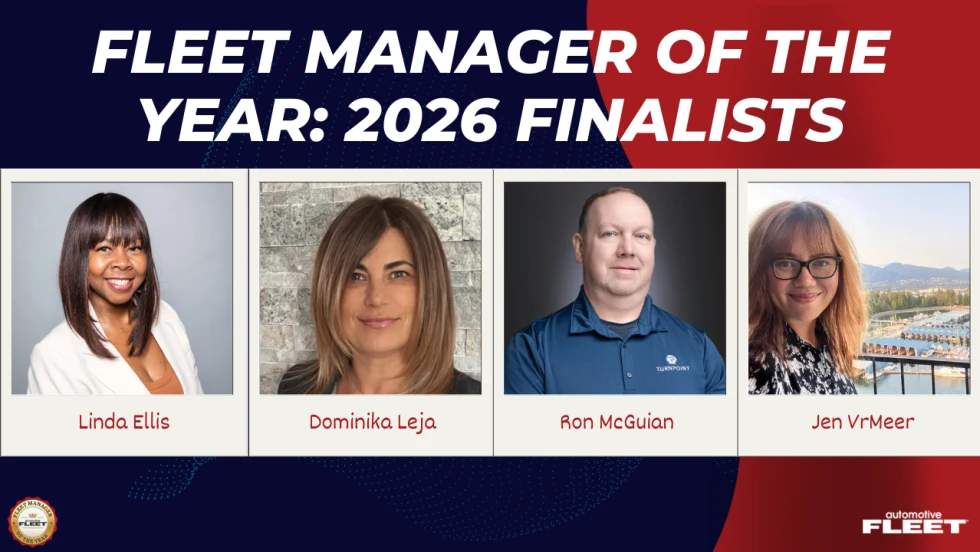
2026 Fleet Manager of the Year Finalists Announced
Who are the 2026 Fleet Manager of the Year finalists?
Read More →