




Identifying Policy Changes that Reduce Costs
Implementing proactive fleet policies can often produce significant cost savings in the long run. Examine every aspect of fleet operations to uncover expense-cutting opportunities.

Depreciation is the most expensive component of a lease.
Photo: Bobit
While many types of policy changes can immediately impact cost reduction, smart fleet managers also realize that some changes may yield results down the road to save significant amounts of both hard and soft dollars.
The following is a list of obvious and not-so-obvious policy changes that can reduce overall fleet costs.
Vehicle Replacement
Standard policy for most companies mandates vehicle replacement at a certain mileage or month in service. What many fleet managers may not realize is that the time of year in replacing a vehicle is crucial to saving money. Replacing vehicles during the fall buying season, before Thanksgiving, is the optimum time.
The best used-vehicle resale values can be expected during this period, literally saving hundreds of dollars per vehicle. In addition, during this time, managers can lock in on early order incentives and the lowest model-year prices, decreasing capitalized costs and thus reducing monthly lease payments.
Lease Term
Depreciation is the most expensive component of a lease. The lease term length determines the percentage a vehicle depreciates each month. For example, a 50-month term depreciates the capitalized cost at 2 percent a month. Likewise, a 40-month term depreciates at 2.5 percent a month.
Plan the duration of a vehicle lease term around the anticipated length of time you expect to keep it. A zero residual on a vehicle that will be sold at a profit at the end of a 40-month open-end lease is an attractive prospect. However, you paid for that profit over the first 40 months with a higher depreciation charge.
Increase your cash flow by extending the lease term and making smaller monthly payments. Chances are you will still realize a resale profit.
Maintenance/Fuel Card Program
Securing a fleet maintenance and/or fuel card can reap both hard- and soft-dollar savings in a short period of time. A maintenance program card administrator can provide valuable monthly transaction reporting, as well as maintenance tracking.
Practicing preventive maintenance is very important, especially during the covered warranty period. Fuel cards monitor proper fuel grade usage and excessive fueling.
Short-Term Vehicle Needs
Vehicles reaching service limits and nearing retirement may be resources to fill short-term vehicle needs. Examine your current fleet to determine if any vehicles can best be used in different ways, as long as business needs and cost justifications support your decision.
Some options to arrange short-term vehicle use include temporarily transferring vehicles from one sector to another, reassigning the vehicles of vacationing personnel, designating about-to-be replaced vehicles to pool status, extending expiring leases for a short period, and reviewing company policy to determine if criteria to obtain a vehicle should be changed.
The key is to avoid keeping excess vehicles simply for sake of convenience.
Cost-Cutting Goals
To be effective over the long term, fleet management decisions must be tailored to ever-changing imperatives such as cutting costs in some years and making investments in others. While fulfilling that responsibility, the fleet manager must also promote policies and practices that maximize ongoing fleet cost effectiveness.
The fleet manager must be prepared to pursue two types of cost-cutting goals: elimination and deferral. Eliminating costs may involve reducing fleet size, cutting driver training, or increasing employee use of personal vehicles.
Significantly eliminating particular fleet costs generally cannot be done quickly since most costs are fixed and thus unavoidable in the short term. In short, true cost eliminations usually do not produce significant economic or fiscal benefits in the short term. To easily “defer” fleet costs, move them to future fiscal years.
The fleet manager must reduce or suspend replacement expenditures if they work for companies that finance acquisitions with cash. However, depending on the fleet age, deferring the replacement could translate into an increase in maintenance costs. Whatever policy road you take, make sure you commit to it for the long haul.
Best Practices
Best practices, or benchmarking, mean exactly that: obtaining the most cost-effective vehicles and using them efficiently to achieve fixed and variable cost. Maximizing fleet utilization by matching needs with the proper vehicle and using one vehicle to perform multiple functions can make your fleet more flexible and more valuable.
Best practices are a continuing process that changes as the organization, customers, or competition changes. An internal and external process, best practices can provide success stories and reveal deficiencies.
Reduce Service Levels
The distinction between needs and wants is important in serving your customers. Review with customers which of your services they currently consume and determine how a service cutback would impact their operations. Examine the customer’s service history before jumping to any conclusions.
A systematic discussion between the customer and service provider helps ensure that objective information will be used to pinpoint the best course of action.
Auditing Fleet Service Providers
Keeping the lines of communication open with your fleet service provider(s) is important. Insist that they audit your fleet practices as you audit their service to you. Work together to define measurable goals and develop an implementation plan to achieve them. These goals must be measurable, verifiable, and mutually acceptable.
As you audit fleet service provider(s), do the same for your own company’s fleet policies. Is your fleet policy effective and enforceable? Are you doing everything you can to stay current with the times, or are your fleet policies and programs out of date?
Examine every aspect of your fleet operations, dissecting it from beginning to end to uncover opportunities to decrease or eliminate costs and increase efficiencies. Develop a proactive, rather than reactive, perspective by paying attention to your business. This attitude distinguishes the best fleet managers from good fleet managers.
Safety
Safe drivers are a top fleet priority. Perform a motor vehicle record (MVR) check on your drivers to avoid exposing your company to considerable liability. Obtain an MVR on all employees who drive, rent vehicles, or use their own car for company business and those allowed to drive company vehicles, i.e., an employee’s spouse or child.
Regular MVR checks can reinforce safe driving habits and reduce accidents, which result in lower insurance premiums and legal expenses. A regular safety-training schedule for your drivers is a bonus that will pay dividends in the long run. Be proactive. Obtain available free safety literature from local, state, or federal agencies to distribute to your drivers.
More Remarketing

Copart to Acquire ACV in $1.9 Billion Deal
The acquisition would expand Copart beyond its traditional salvage business into dealer-to-dealer wholesale remarketing while adding ACV’s vehicle data, inspection, and valuation technology.
Read More →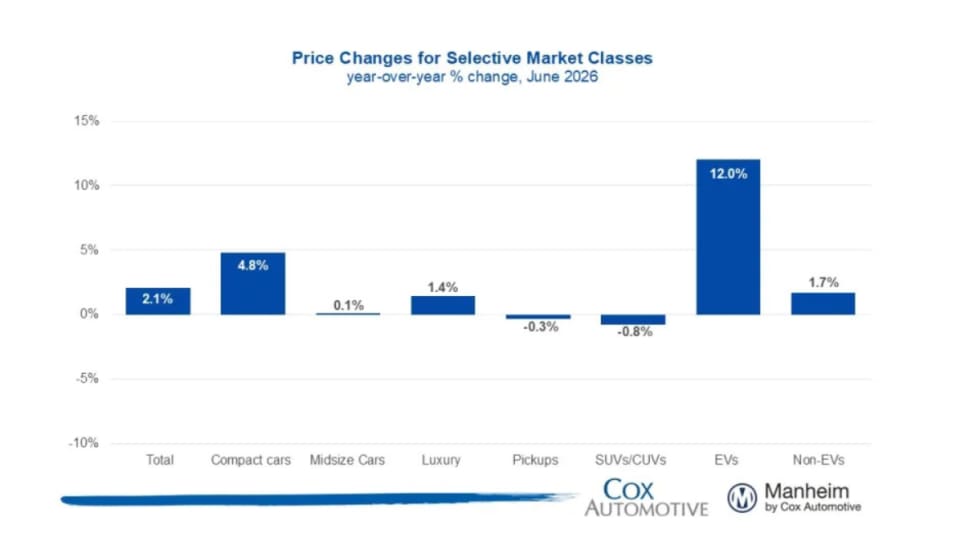
Manheim Index Shows Used-Vehicle Wholesale Prices Up 2.1% in June
The market is seeing stronger appreciation in older used vehicles this year, and the most affordable segments have been among the year’s best performers.
Read More →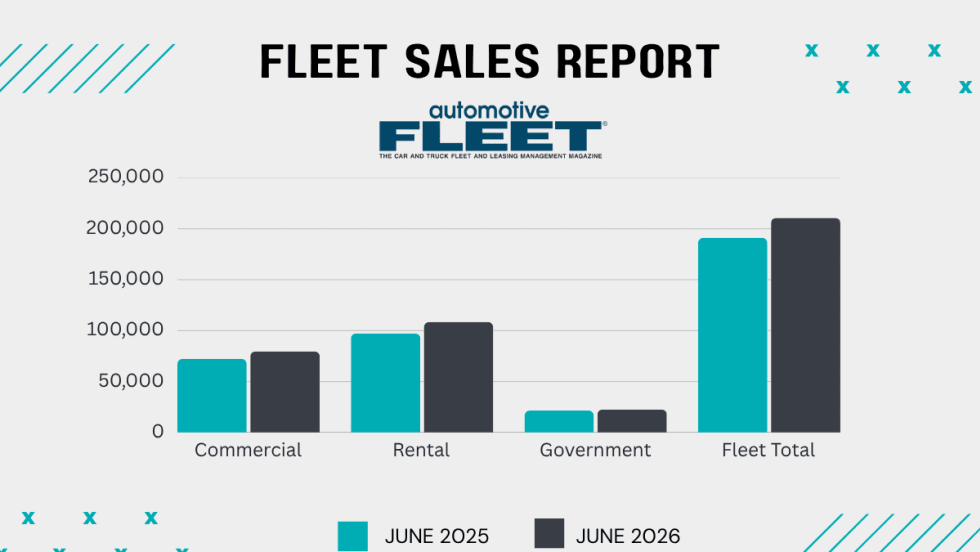
Commercial Fleet Sales Contribute To June, YTD Gains
The fleet sector has boosted its vehicle purchases at a reliable pace in the first half of this year compared with 1H 2025.
Read More →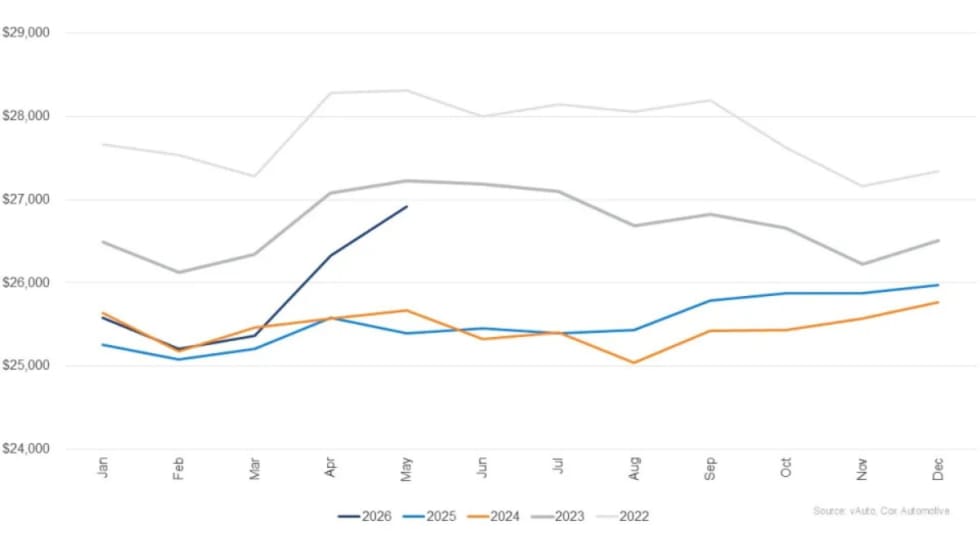
Used Vehicle Prices Climb Higher As Sales Pace Slows
The higher prices at used retail reflect strong wholesale values earlier in the spring, particularly for older, more affordable vehicles.
Read More →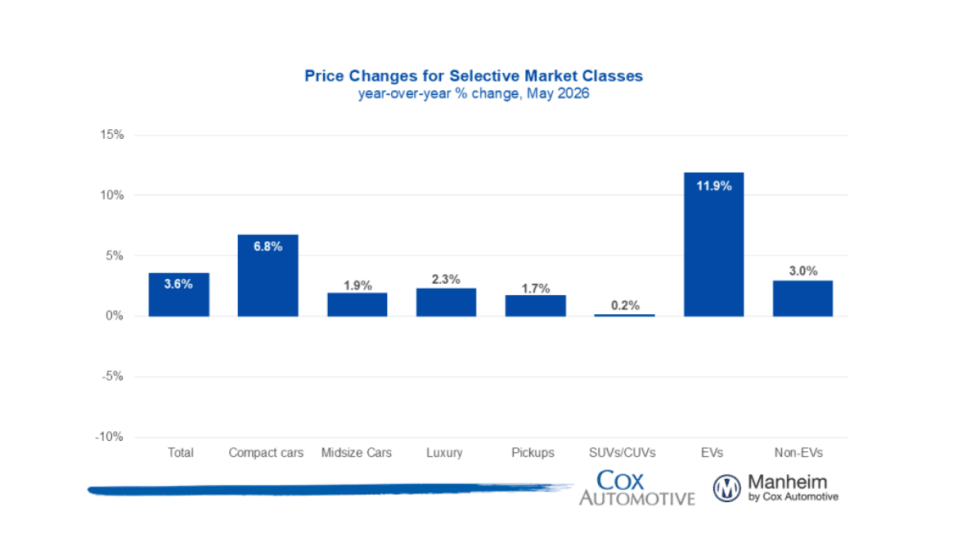
Wholesale Used Vehicle Market Sustains Moderate Rise In Values, Prices
Trends continue to normalize after a strong start to the year, as consumers contend with higher gas prices in the coming summer months.
Read More →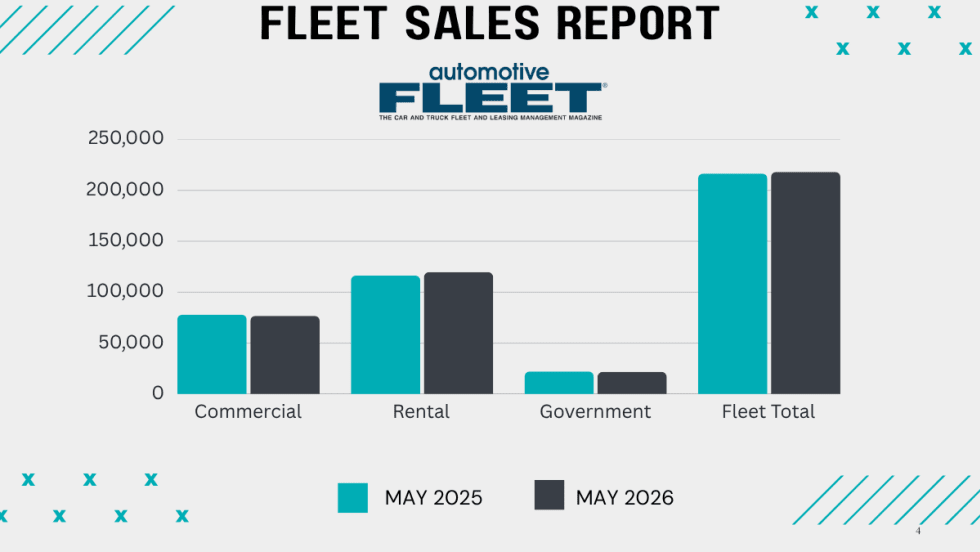
Commercial Fleet Sales Still Lead Sectors Despite May Mini Dip
The U.S. economy's continued growth and positive business investment are creating a favorable environment for fleet vehicle demand.
Read More →
How Connected Vehicle Data Is Lifting Fleet Resale Values
A vehicle health score could improve the value of fleet vehicles at remarketing. The path to a universal standard is forming, and fleets that understand the process early will be better positioned when it arrives.
Read More →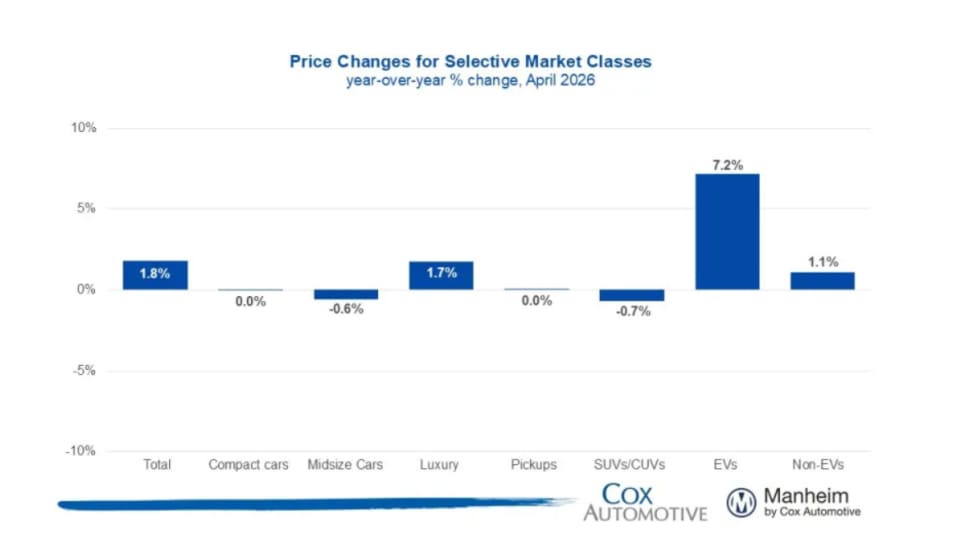
Wholesale Used Vehicle Prices Slightly Up In April
The Iranian conflict and rising gas prices inject much uncertainty into the future wholesale used vehicle markets, as higher gas prices soak up spendable income from vehicle buyers.
Read More →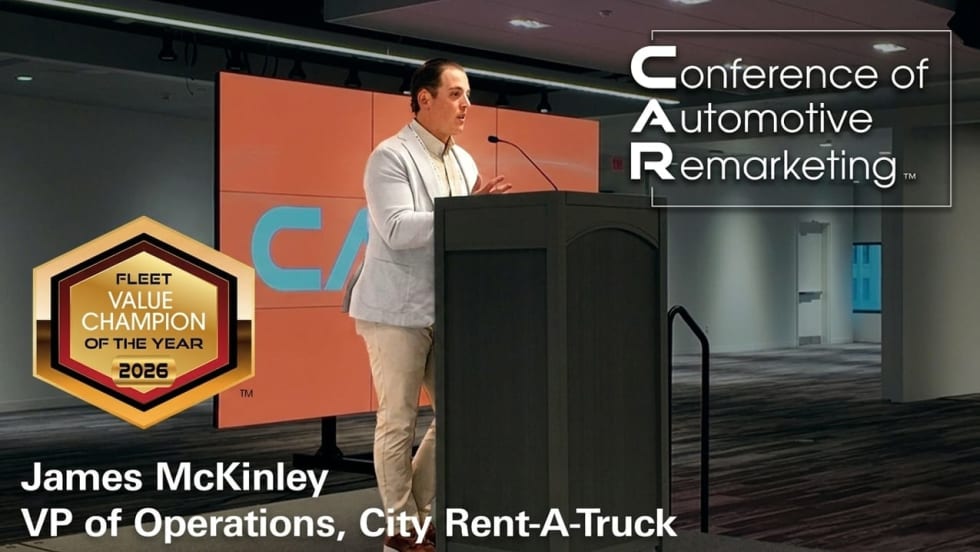
CAR2026: James McKinley Wins Value Champion of the Year
James McKinley of City Rent a Truck was named the inaugural Fleet Value Champion at the CAR Conference for his data-driven approach to fleet lifecycle management and vehicle remarketing.
Read More →
CAR2026: Eric Autenrieth Wins Remarketer of the Year
Eric Autenrieth was recognized at this year's CAR Conference as the Remarketer of the Year.
Read More →