




RELATED CONTENT: Hot! Hot! HOT! Why Trucks Should Keep an Eye on Tires When Temps Rise
How to Select the Right Tires for Medium-Duty Truck Applications
Proper tire selection takes into account specific vehicle application and vehicle weight. Find out what other factors should be considered.
by Staff
November 1, 2012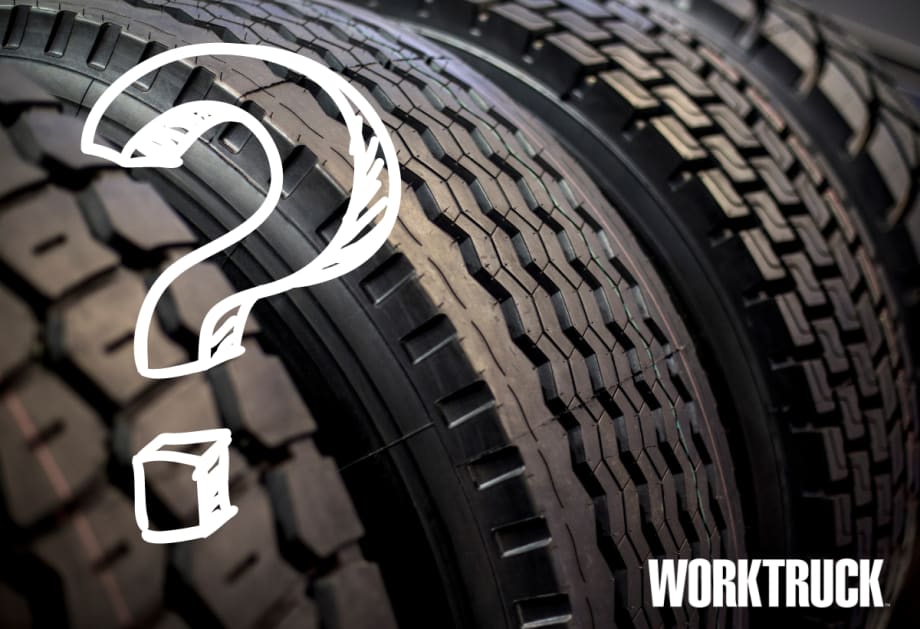
Fleet managers can choose the best tires for a fleet, but, if tires are not properly maintained, the full value of the tire won’t be realized.
Photo: Canva
4 min to read
Tire selection for medium-duty trucks directly impacts fuel economy, vehicle performance, and tire replacement cycles. Any mismatch between the tire specifications and how the truck is used will lead to increased instances of vehicle downtime and higher overall operational costs.
To help fleet managers sort through all the important considerations and complexities that come with choosing tires for medium-duties, Work Truck tapped the expertise of Mike Macik, analyst and certified world-class technician for Automotive Resources International (ARI), a Mount Laurel, N.J.-based fleet management firm with more than 923,000 vehicles under management in North America and the UK.
WT: What makes tire selection more complicated with medium-duty trucks compared to light-duties?
MACIK: The challenge in choosing tires for a medium-duty truck is the number of variables you need to factor into the overall decision. Medium-duty tire manufacturers have many different tread types designed around a vehicle’s operating weight and specific tire position or axle. For example, some tires are designed for the steering axle (otherwise known as free rolling), while others are designed for the drive axle. All-position tires are designed for either the steering or drive axle. Tires are also designed to accommodate the kind of driving the vehicle will be employed to do, such as on- or off-road or long-haul.
WT: What are fleet managers' most important factors when spec’ing medium-duty tires?
MACIK: The two most important variables to consider are the vehicle's specific application and weight considerations. A vehicle that is going to be making deliveries in an urban or suburban environment will have different needs than a dump truck that will be used off-road and cover tough terrain. Other considerations include GVWR compatibility, ride-height requirement, over-the-road versus off-road performance and durability, traction, and climate considerations (especially in Snowbelt areas).
Having the wrong tires on a vehicle can cause a multitude of problems, including diminished tread life, higher overall operating costs, and — in the worst-case scenario — a driver left stranded and a vehicle in need of repair.
WT: What are examples of applications where tire selection considerably impacts performance and operational costs?
MACIK: The loss of traction can cause extreme damage to a truck’s driveline and suspension and can cost the company a small fortune over time with recovery fees. If a truck is going to spend most of its life in off-road situations, choose an aggressive tread for additional traction in dirt, mud, and — at times — snow.
WT: What tread design features and other attributes make a tire good for over-the-road (fuel economy) applications versus other application types?
MACIK: The weight of the truck, the anticipated driving terrain, and the vehicle application will all affect which attributes and design features a fleet manager should consider when choosing tires. Variations in any of those variables change the kind of tires to be considered.
For example, if you are looking for tires for a fleet that will operate within Snowbelt states or in the mountains, you need to select tires that will accommodate those weather conditions. If, however, you are looking to purchase tires for a fleet that will operate in an urban environment, you will want to look for a smoother tread design to allow for less rolling resistance and increased overall fuel economy. There are manufacturers that produce reduced rolling resistance tires that meet EPA’s SmartWay Technology Program. These tires are documented to have reduced emissions and fuel consumption by at least 3%.
On occasion, a fleet manager may be inclined to overestimate the needs of a vehicle or a fleet, thinking that a more aggressive tread will keep a vehicle from losing traction and keep the vehicle productive and on the road. But, if a tread is too aggressive for over-the-road use, tread life will be compromised, and the total cost will be higher in the long run.
When choosing the correct tire tread, it’s best to think about the roads traveled and the vehicle’s application. Don’t over-prepare for the worst — focus instead on exactly the kind of work your fleet will be doing and pick the best tire tread that will provide you with the most tread life.
WT: Is there any other advice you think is important for fleet managers to know about proper tire selection for medium-duties?
MACIK: If buying tires in bulk, be sure they are name-brand tires that provide manufacturer support and can match a damaged tire while over-the-road. This also holds true for retreaded tires. There are many retread manufacturers, but stick to name brands as the cap is less likely to delaminate from the tire casing, leaving those unsightly and dangerous “road alligators” behind.
Also, in the end, the most important design feature is a well-maintained tire. Fleet managers can choose the best tires for a fleet, based on all of the variables mentioned, but, if tires are not properly maintained, the full value of the tire won’t be realized. For example, keeping tires properly inflated and ensuring tire pressure is consistently well maintained ultimately reduces rolling resistance and increases fuel mileage. Don’t discount the value of maintaining a tire once it has been purchased.
Originally posted on Work Truck Online
Subscribe to Our Newsletter
More Global Fleet

GeoFencing Adds to Your Truck Security Arsenal
Geofencing is a familiar fleet tool today, but its early adoption marked a major shift in vehicle tracking, route monitoring, and the debate over employee privacy.
Read More →
Holman Takes Full Ownership of ARIZA in Mexico
Holman is bringing its Mexican fleet management operation fully under its own brand after more than 30 years as a joint venture. The change gives multinational fleet customers a single Holman operation across the U.S., Canada, and Mexico.
Read More →
5 Tire Maintenance Tips to Help Prevent Work Truck Downtime
Regular tire checks can do more than extend tread life. These five maintenance practices can help work truck fleets catch problems early, reduce costs, and prevent downtime.
Read More →

Proven Ways to Reduce Work Truck Downtime
The age-old problem of downtime will always be a reality, but with new strategies at hand, fleets have more ways to keep trucks on the road longer.
Read More →


Cameras, Safety and Insurance: From Reactive Claims to Real-Time Prevention (Part 2 of 2)
Part Two: Commercial auto remains one of the most challenging and costly lines of coverage for fleet operators and insurers alike. Continue learning more about how to effectively address these issues from Onur Aksan, Enterprise Business Development Executive, Geotab
Read More →
Cameras, Safety and Insurance: From Reactive Claims to Real-time Prevention
Commercial auto remains one of the most challenging and costly lines of coverage for fleet operators and insurers alike. Learn more about how to effectively address these issues from Onur Aksan, Enterprise Business Development Executive, Geotab.
Read More →
Fleet Costs Are Rising: Here’s How Leaders Are Responding
Fleet leaders are under pressure to reduce costs, adapt to economic uncertainty, and make smarter decisions. See how peers across North America are responding with real data, proven strategies, and forward-looking insights. Download the 2026 Market Pulse Report to benchmark your strategy and uncover where you can gain an edge.
Read More →
Enterprise Fleet Management Surpasses 900,000 Vehicles in U.S. & Canada
Enterprise Mobility connects with mobility solutions around the globe
Read More →