




How to Deal With an Approaching Hurricane
Hurricanes mean widespread flooding, intense winds, and downed power lines. Follow these 11 tips to prepare yourself if you manage fleets in the path of a coming storm.

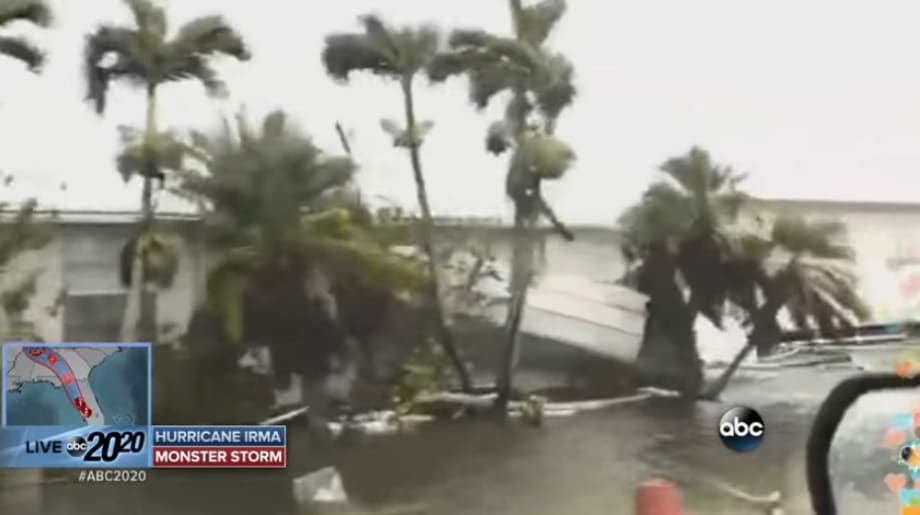
Fleets with vehicles in Florida can take precautions to minimize the impact of a hurricane on their personnel and vehicles.
Screenshot via ABC News.
As Hurricane Dorian moved toward the central Florida Atlantic coast, the tropical cyclone is was expected to unleash torrential rain and raise the risk of flooding after landfall, according to AccuWeather.
On Aug. 30, AccuWeather meteorologists projected that Dorian would make landfall as a major hurricane with the intensity of a Category 4 and maximum sustained winds of 130 mph or greater along the middle of Florida's east coast.
For commercial fleets, hurricanes mean widespread flooding, intense winds, and downed power lines — all of which are major roadway hazards.
Now is a good time for fleet managers to take precautions. ARI has offered several steps fleets can take to protect vehicles and drivers in advance. Here are 11 tips:
Fuel Up
Ensure all of your fleet vehicles have a full tank of gas ready to go.
Find High Ground
Move parked vehicles from flood-prone and low-lying areas to mitigate exposure.
Supply Roadside Kits
Provide your drivers with packed resources in case they get stranded. Kits should include water, batteries, a flashlight, first aid supplies, and healthy snacks, for example.
Protect Documents
Make copies of all registration and insurance cards. Store originals in a waterproof bag.
Take Photographs
Be proactive and make sure you have proof of vehicle interiors and exteriors for potential insurance claims.
In addition, now is a good time to remind drivers how to stay safe if they find themselves behind the wheel during a tropical storm or hurricane. Experts offer the following tips:
Slow Down
It's the best way to keep control on wet, slippery roads and with limited visibility.
Avoid Flooded Roads or Moving Water
Don't underestimate just how deep the water is and attempt to drive through it. In fact, in one foot of water, some vehicles will float. Two feet of water can sweep vehicles away, including SUVs and pickups.
Avoid Hydroplaning
Hydroplaning is when your vehicle loses contact with the road and feels like it is floating on water. It's a dangerous situation and can happen during any storm. To avoid hydroplaning, slow down, turn off cruise control, and avoid sudden braking and turns.
Turn on Your Headlights
To increase visibility use your headlights, but not the high beams, which can distract you and other drivers.
Increase Following Distance
While driving in a hurricane, it is best to keep ample distance between your vehicle and the one ahead. This way you have more time to react to any sudden moves or stalls by other vehicles.
Get to Higher Ground
It's always best not to drive at all in extreme weather. So if possible, find a safe place on higher ground and pull over until the downpour passes.
More Safety

What’s Next for Fleet? Safety, AI & Industry Recognition | AF News Recap
Could your company's culture be encouraging distracted driving? This week, we're exploring how workplace expectations affect driver safety, what AI, EVs, and autonomous vehicles could mean for the future of fleet management, and how fleet professionals can strengthen their award nominations.
Read More →
Does Your Fleet's Culture Encourage Distracted Driving?
What happens when the people responsible for enforcing safety rules are the ones setting the wrong example? The answer may reveal why some of the biggest risks to fleet drivers have little to do with what's written in the employee handbook.
Read More →
Fleet Manager’s Ultimate Playbook: Navigating the New Standard in OEM Connectivity
Rising operating costs, driver safety concerns, and unplanned downtime are putting unprecedented pressure on modern fleets. Discover how fleet managers use embedded OEM connectivity and real-time vehicle data to cut TCO, prevent downtime, and protect drivers without aftermarket telematics hardware.
Read More →
From Driver Well-Being to EV Charging | AF News Recap
Mental health belongs in the fleet safety conversation. This week, we’re looking at five ways fleets can support employee well-being before a crisis, plus Holman’s expansion in Mexico, new one-day Fleet Forward passes, and why EV charging demand is outpacing infrastructure growth.
Read More →
Nexar-Nauto Merger Aims to Give Fleets Better Safety Intelligence Through Larger Driving Dataset
Stefan Heck tells Automotive Fleet that combining more than 10 billion miles of driving history with Nexar's AI models will give fleets deeper insights into driver risk and roadway conditions than either company could provide independently.
Read More →
Don't Wait for a Crisis: 5 Ways to Build Mental Health Into Your Fleet Safety Program
For Suicide Prevention Month, fleet and safety leaders have an opportunity to put mental health where it belongs: at the center of workplace safety.
Read More →
How Camera Data Can Strengthen a Fleet’s Insurance Renewal
Insights from a commercial insurance carrier and a broker show how fleets can turn video telematic data, driver coaching, and improved claims results into a stronger case at insurance renewal.
Read More →
The Safest Fleets Aren’t the Ones with the Most Technology
You’ve made the telematics investment. Here’s how to capture the other half of its value and build the safest fleet on the road.
Read More →
Hidden in Plain Sight: Fleet Compliance Risks
Fleet compliance isn't just about having policies — it's about consistently enforcing them. This practical guide reveals six hidden compliance risks common in public sector and shared fleet operations and outlines proven strategies to improve visibility, accountability, and audit readiness
Read More →
NETS Sets 2026 Fleet Safety Benchmark Conference for Indianapolis
The Sept. 15–17 program will feature fleet benchmarking data, case studies, emerging technologies, and implementation strategies while running alongside the NSC Safety Congress & Expo.
Read More →