




How to Choose a Portable Navigation System
In a technology-driven world and with the expanding growth of GPS navigation, the choice of a portable navigation device for fleet vehicles is a matter of features, cost, and convenience.

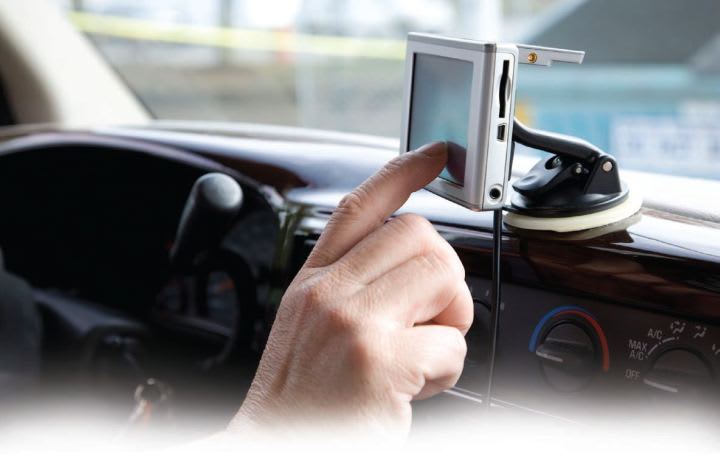
In the complicated world of driving and directions, help arrived with the advent of the global positioning satellite (GPS) navigation system. This device can assist drivers in navigating unfamiliar territory with confidence. Physical roadmaps are tools of the past.
A portable system has the advantage of easy transfer from vehicle to vehicle, enabling drivers to share a unit or lend it to others. Most units allow users to choose guidance options that include plotting the shortest and fastest routes. The database not only directs drivers to their destinations, turn-by-turn, it also can provide common points of interest such as gas stations and ATMs.
Nearly 14 million portable GPS navigation systems were sold in 2006, compared to about 4 million in-dash navigation units. Priced at $300-$800, portable units are less expensive than the typical price tag of up to $2,000 for an integrated, in-dash, factory-installed navigation system.
According to ConsumerReports.org, market leaders Garmin, Magellan, and TomTom brands now face competition from brands such as Alpine, Rand McNally, Delphi Audiovox, Cobra, etc.
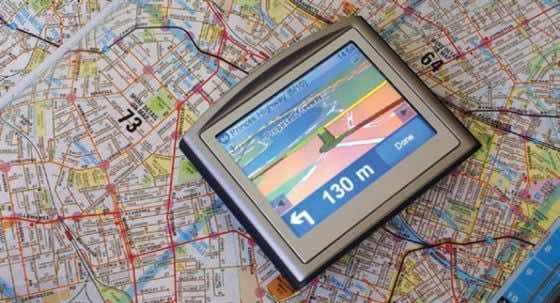
The following considerations when choosing a portable device can help fleets best utilize the system.
1. Navigation Functionality. Focus on the device functionality and research how other users rate it based on features and map database coverage.
2. Built-in Battery Convenience. The battery should operate for at least four hours on one charge.
3. Text-to-Speech Capability. A system that speaks street names rather than announcing directions (for example, "turn left") helps drivers negotiate an unfamiliar area. This feature reduces the need for drivers to take their eyes off the road to look at an on-screen map.
4. Unit Size. The more portable the unit, the better. Units have decreased in size since the first portable GPS device entered the market. However, a too-small device may be hard to read or operate. A 3.5-inch screen is a good compromise of portability and usability.
[PAGEBREAK]
Disadvantages to consider before purchasing a portable GPS include:
· Units can be lost or stolen.
· Smaller unit size decreases screen display visibility.
· Tunnels and concrete canyons interrupt satellite signals and prevent units from functioning. The more sophisticated in-dash versions can project the vehicle path on the route map, even when the satellite signal is interrupted. However, neither portable nor in-dash units are completely foolproof.
· Warranties are short-term, generally 1-2 years.
· Portable units attach to the windshield or the dashboard with a simple suction cup, which can obstruct a driver’s vision and may be prone to theft. Some states, such as Minnesota, prohibit mounting a portable navigation device on the windshield, and individual fleet policies that ban placing units on the windshield may supersede state regulations.

[PAGEBREAK]
The following factors should be considered before investing in an in-dash navigation system versus a portable unit:
Additional features, such as back-up cameras, radar-based cruise control, etc.
Functionality in tunnels and concrete canyons.
Ease of integration with other in-vehicle electronic systems. Built-in navigation can automatically mute or lower the volume of the radio when announcing directions and the display brightness can be tied to the illumination level of dashboard gauges.
Larger screen displays facilitates ease of use.
Unit is installed in easily visible location.
An in-dash navigation system is covered by the vehicle’s warranty.
More Telematics
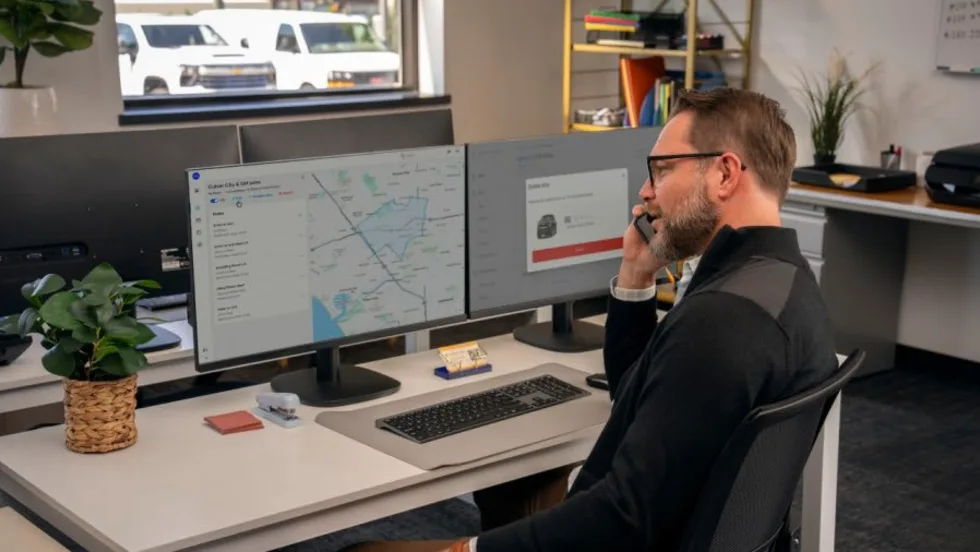
GM Launches OnStar Fleet Intelligence Platform With AI Assistant
The new platform brings vehicle data, order tracking, connected services and fleet analytics into one system, with an AI assistant that can answer fleet questions using natural-language prompts.
Read More →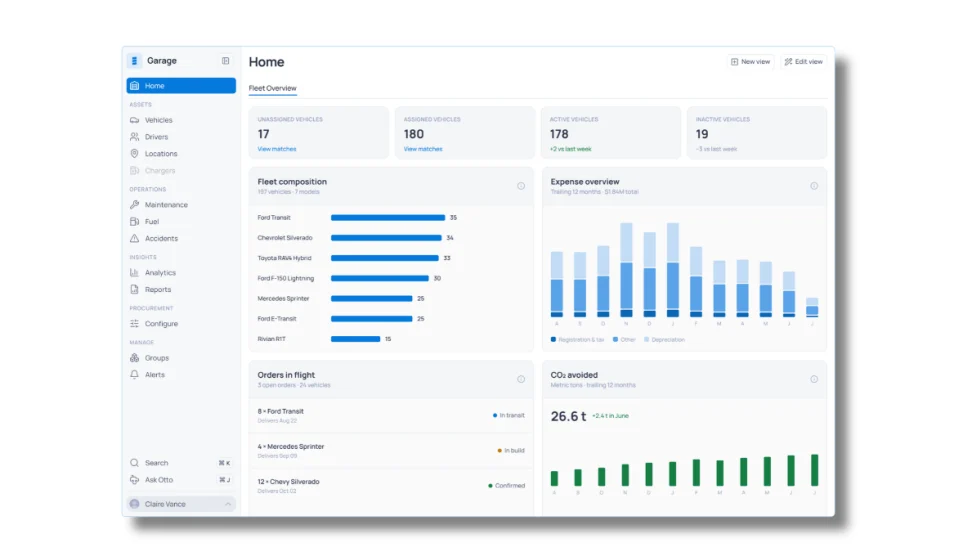
Inspiration Fleet Introduces Garage 2.0 Fleet Intelligence Platform
Fleet managers increasingly have access to data from vehicles, telematics, fuel, charging, and other systems, but those sources don't always communicate with one another. Inspiration Fleet's Garage 2.0 platform brings that information together while letting fleets keep working with different technology and service providers.
Read More →
Inside Inspiration Fleet’s New Platform for Connecting Fleet Data
Inspiration Fleet CTO Chris Getner explains how the new Garage 2.0 platform is designed to connect disparate fleet data and what that could mean for fleet managers in practice.
Read More →
Fleet Manager’s Ultimate Playbook: Navigating the New Standard in OEM Connectivity
Rising operating costs, driver safety concerns, and unplanned downtime are putting unprecedented pressure on modern fleets. Discover how fleet managers use embedded OEM connectivity and real-time vehicle data to cut TCO, prevent downtime, and protect drivers without aftermarket telematics hardware.
Read More →
Samsara Driver Perks Adds New Benefit for Corporate Fleet Drivers
The rewards program gives eligible professional drivers access to discounts from more than 50 brands while giving fleets another way to support recruitment, retention, and the driver experience.
Read More →
Inside the Church of Jesus Christ of Latter-day Saints’ Two-Track Telematics Strategy
With 20,000 vehicles and two fundamentally different driver populations, the Church faced a fleet management problem that a single telematics program couldn't solve. How it responded offers a replicable framework for any fleet where one size doesn't fit every driver.
Read More →
How Conversational AI Can Make Fleet Tasks Easier for Drivers
While most generative AI tools help fleet managers interpret data at their desks, Connex2X is applying voice interaction to tasks behind the wheel.
Read More →
Why Fleets Are Creating Dedicated Fleet Analyst Positions
Are fleet analyst positions the new norm? Listen here to find out.
Read More →
Teletrac Navman Begins Next Chapter as Standalone Private Company
What's new with Teletrac Navman and its new owner?
Read More →
Why Fleets Are Creating Dedicated Fleet Analyst Positions
Telematics, AI, EVs, and connected technologies are generating more fleet data than traditional teams can effectively manage. Reed Jackson explains why dedicated fleet analytics roles are emerging to turn that information into better operational decisions.
Read More →