




How to Become a Pro at Upfitting
As fleet needs shift, the industry’s upfit volume has grown proportionally to the increase in truck and van new-order volume. Many times, fleet managers without prior upfitting experience find themselves tasked to spec an upfit.

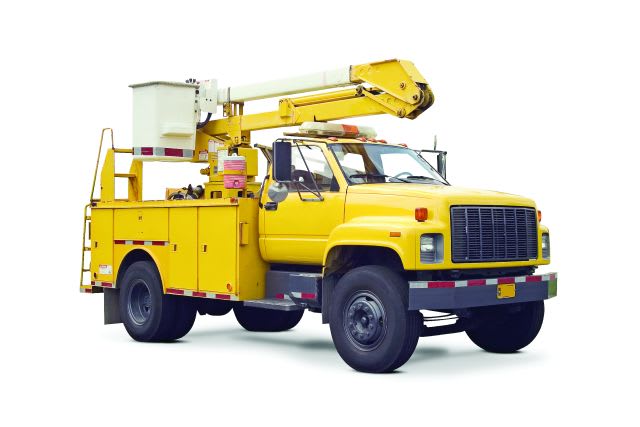
Fleet application will dictate upfit specs, but other management mandates, such as corporate fuel efficiency and cost-cutting, will also influence upfit considerations.
The skill set needed to manage an upfit is wide ranging. As the fleet manager, your first job is to collaborate with the employees who will actually be using the equipment to get their input prior to making changes to specifications. This will ensure the user will be able to efficiently fulfill the intended fleet function with the upfit you are spec’ing.
While the fleet application may dictate upfit specifications, other management mandates, such as corporate fuel-efficiency or cost-cutting initiatives, will also influence upfit considerations.
Here are key factors to consider when spec’ing an upfit:
Consider Lighter Weight Materials for Upfit Equipment
Upfitters have been re-engineering upfits using composite and other lightweight materials to trim as much weight as possible without sacrificing function.
The trend toward lightweighting is being driven by several factors.
The first factor is fuel economy. Lighter vehicles use less fuel, which translates into a reduction in operating expenses. To increase fuel efficiency and reduce the overall weight of a van, consider spec’ing heavy-duty plastic composites and aluminum bins instead of steel. An added benefit to using composite material or plastic is corrosion protection; however, you need to keep the fleet application foremost in these considerations. Some applications do not lend themselves to using lightweight materials; this is when you need input from the field to make the right choice.
The second factor driving lightweighting is the need to reduce the weight of upfits to increase the vehicle’s potential payload. Lighter bodies, racks, bins, and shelves mean more cargo can be carried, allowing fleets to accomplish more with the same vehicles. This is especially important with the proliferation of smaller, lighter platforms.
The third factor is that the reduction in fuel consumption improves a fleet’s ability to meet corporate sustainability objectives. The less fuel burned translates into reduced carbon emissions.
Lower Costs by Standardizing Upfit Specifications When Possible
One way to lower a vehicle’s acquisition or capitalized cost, while maintaining equipment consistency across the fleet, is by using standardized upfit packages.
Standardizing equipment allows for volume price discounting from the equipment manufacturer, the ability to stock equipment at the installer to shorten upfit lead time, and flexibility if a vehicle needs to be transferred between branch locations. Standardization also facilitates quicker new-hire training.
Focus on Safety & Productivity When Spec’ing an Upfit
Safety and productivity are very important considerations in spec’ing van and truck upfits. Make sure an upfit will be ergonomically suited for the driver over the service life of the vehicle. An ergonomic upfit is one that is safe, comfortable, and productive for the driver.
Working within your budget, investigate the viability of spec’ing additional safety equipment and ergonomic features such as a rear-view camera system, reverse sensing system, back-up alarm, remote start, grab handles, convex spot mirrors, and/or drop-down ladder racks.
One cost-control technique is to avoid factory ordering a rear-view camera system, reverse sensing system, or remote start features, and add the equipment later at the time of upfitting to avoid the increased initial vehicle cost, requiring a possible upgrade to a higher trim level or forcing the selection of additional option package content that is not required for the fleet application. This equipment can improve driver visibility around the vehicle and reduce the risk of an accident.
Adding ergonomic equipment, such as grab handles or a drop-down ladder rack in lieu of a fixed ladder rack, can reduce Workers’ Comp claims and improve operator efficiency. Reducing the risk of injuries, and subsequent litigation, often justifies the added expense of safety equipment.
Investigate the Benefit of Spec’ing LED Lighting
There has been a dramatic shift toward using LED lighting in upfit packages. LED lighting creates a smaller electric current draw on the electrical components and has a longer service life. Also, LED lighting provides more lumens and longer maintenance-free operation.
Investigate Downsizing to a Smaller Chassis
Many fleets want to downsize to a smaller vehicle chassis when spec’ing upfit packages. Several OEMs have introduced smaller GVW trucks that can accommodate the functionality of a service body. Consult in advance with your employees to assess the viability of migrating to a lower GVWR chassis.
Consider Incorporating Telematics into an Upfit
When a vehicle has been engineered for a specific job, proper utilization of telematics data can ensure increased productivity, reduced expenses, and less downtime.
Telematics can provide real-world data instead of trying to calculate fuel usage, vehicle location, and driver operating behavior after the fact.
If your company is in several locations, consider implementing the telematics technology location-by-location rather than having one or two vehicles at each facility. That way, you’ll have every vehicle in the vicinity properly equipped and you’ll be able to gauge your data against those locations without the system.
Check to Ensure there is Local Chassis Support
Always check for local OEM support when choosing a chassis. Delivering a new truck to an operation that may have to travel long distances for OEM support or warranty work will not be well received by your field employees. Be sure you are aware of the OEM’s service network before committing to a particular manufacturer to better facilitate moves for service and repairs.
Originally posted on Work Truck Online
More Global Fleet

Holman Takes Full Ownership of ARIZA in Mexico
Holman is bringing its Mexican fleet management operation fully under its own brand after more than 30 years as a joint venture. The change gives multinational fleet customers a single Holman operation across the U.S., Canada, and Mexico.
Read More →
Proven Ways to Reduce Work Truck Downtime
The age-old problem of downtime will always be a reality, but with new strategies at hand, fleets have more ways to keep trucks on the road longer.
Read More →
The Top 300 Commercial Fleets
The Top 300 Commercial Fleets: See the List
Read More →

Cameras, Safety and Insurance: From Reactive Claims to Real-Time Prevention (Part 2 of 2)
Part Two: Commercial auto remains one of the most challenging and costly lines of coverage for fleet operators and insurers alike. Continue learning more about how to effectively address these issues from Onur Aksan, Enterprise Business Development Executive, Geotab
Read More →
Cameras, Safety and Insurance: From Reactive Claims to Real-time Prevention
Commercial auto remains one of the most challenging and costly lines of coverage for fleet operators and insurers alike. Learn more about how to effectively address these issues from Onur Aksan, Enterprise Business Development Executive, Geotab.
Read More →
Fleet Costs Are Rising: Here’s How Leaders Are Responding
Fleet leaders are under pressure to reduce costs, adapt to economic uncertainty, and make smarter decisions. See how peers across North America are responding with real data, proven strategies, and forward-looking insights. Download the 2026 Market Pulse Report to benchmark your strategy and uncover where you can gain an edge.
Read More →
Enterprise Fleet Management Surpasses 900,000 Vehicles in U.S. & Canada
Enterprise Mobility connects with mobility solutions around the globe
Read More →
Automotive Fleet's Guide to Fleet Electrification
Unlock the secrets to a successful transition to electric fleets with Automotive Fleet's comprehensive Fleet Electrification Guide!
Read More →
Sumitomo Rubber Industries to Acquire Viaduct
Viaduct will join Sumitomo as an independent subsidiary. Partnership strengthens global reach and accelerates AI-driven innovation for fleets and manufacturing.
Read More →