




How GPS Tracking Solutions Improve Construction Fleet Safety
Do you face safety challenges with your construction vehicles and assets? Find out the strategies to overcome this challenge with a GPS tracking solution.

Getty Images/kozmoat98
Today’s GPS tracking solutions can do far more than just track location. For businesses, such as construction, this technology is crucial to keep workers safe on the worksite.
As a vital component of a business’ safety program, GPS tracking solutions allow managers to monitor driver behavior, including:
Speeding.
Reckless driving behaviors.
Distracted driving.
Adherence to safety requirements.
Construction companies with fleets of vehicles and assets have an added layer of complexity in keeping employees safe. This challenge is due to the vehicles and assets operating both en route to and on the job site itself. While the occurrence of an off-road crash may be rare, they do occur and potentially have the same serious ramifications — driver injury and vehicle downtime — costing the business time and money.
On-the-Road Monitoring
Most GPS tracking solutions provide a suite of features that give managers the power to monitor workers while on the highway, including precise, near- or real-time location information and behavior behind the wheel.
Violating a company policy, such as using a cell phone while driving, or driving recklessly, in general, will trigger an in-cab alert. These alerts can either go to the driver, manager, or both.
Also, with the growing number of sensors available today, the manager can monitor the security of onboard storage and equipment. This functionality notifies you when a device becomes loose or intentionally removed from the vehicle or asset.
Job Site Monitoring
Tracking can become more complicated when a worker reaches a job site. It usually requires creating and sending more elaborate alerts, such as speeding over a particular mile per hour (mph) within a geofenced location.
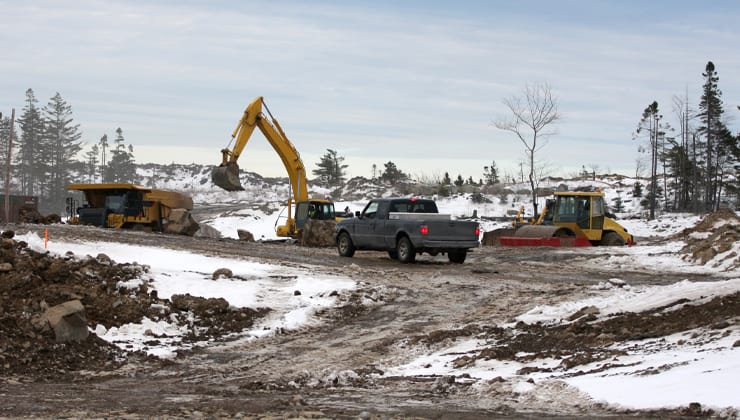
While there are not as many safety hazards as on the road or highway, there are still necessary safety precautions to take into consideration for the job site. For example, uneven terrain, large earthmoving or construction equipment, and other workers moving on foot through the job site are potential safety hazards. A construction zone can be as chaotic and dangerous as a heavily traveled highway.
With GPS tracking solutions, managers can keep tabs on vehicles, making sure that employees aren’t driving recklessly. Many of the same features of a GPS tracking solution may apply to a job site as they do for on-road situations. Sufficiently monitoring reckless driving behavior, such as hard starts and stops or tight cornering, requires managers to customize their approach.
Off-road, employees can also be held accountable for poor driving behavior — such as not wearing their seatbelts or using a cell phone while driving. Employees should still be responsible for how they operate vehicles and assets when they are on a job site.
From a fleet efficiency perspective, long idle times are usually the lowest hanging fruit when it comes to eliminating fuel waste and cutting costs.
You can send alerts to the driver, reminding them to shut off the engine after a set amount of idle time. If the driver does not adhere to the first alert, a subsequent notification can then go to a manager for appropriate action.
You can draw geofences around job sites to make sure that employees keep vehicles and assets confined to the job site during designated work times. Alerts are available to notify supervisors if vehicles and assets leave this designated area without permission, which also helps with theft prevention, unnecessary wear, and tear, and wasted fuel.
It’s in the best interest of your business to extend the use of your GPS tracking solution to a job site. A crash or an injured employee (or both) will cause numerous financial and reputational headaches. Financial consequences can range from vehicle downtime to worker’s comp claims, liability, or delays meeting a construction deadline. Reputational consequences include the perception that the business is unreliable or unsafe.
If an incident occurs on a job site, your GPS tracking solution will help sort out what happened, who is at fault, and what actions are necessary to resolve the issue. GPS tracking solutions are a powerful way to maintain safety on the road and at the job site.
Start Improving Your Fleet Safety Now!
{incontentformtoken}
Safety is a top-of-mind concern for fleets of all types. Adding a GPS tracking solution to your construction business will keep your employees safe and your valuable vehicle assets up and running. Fill out the form on businessfleet.com to speak with experts from top GPS tracking providers to start solving your business challenges today, or discover more ways a solution can benefit your business.
More Telematics

GM Launches OnStar Fleet Intelligence Platform With AI Assistant
The new platform brings vehicle data, order tracking, connected services and fleet analytics into one system, with an AI assistant that can answer fleet questions using natural-language prompts.
Read More →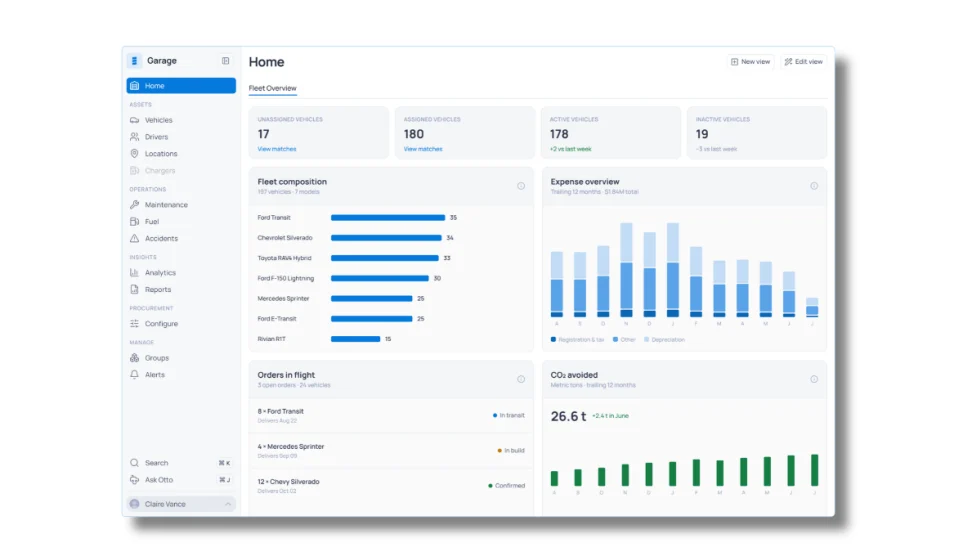
Inspiration Fleet Introduces Garage 2.0 Fleet Intelligence Platform
Fleet managers increasingly have access to data from vehicles, telematics, fuel, charging, and other systems, but those sources don't always communicate with one another. Inspiration Fleet's Garage 2.0 platform brings that information together while letting fleets keep working with different technology and service providers.
Read More →
Inside Inspiration Fleet’s New Platform for Connecting Fleet Data
Inspiration Fleet CTO Chris Getner explains how the new Garage 2.0 platform is designed to connect disparate fleet data and what that could mean for fleet managers in practice.
Read More →
Fleet Manager’s Ultimate Playbook: Navigating the New Standard in OEM Connectivity
Rising operating costs, driver safety concerns, and unplanned downtime are putting unprecedented pressure on modern fleets. Discover how fleet managers use embedded OEM connectivity and real-time vehicle data to cut TCO, prevent downtime, and protect drivers without aftermarket telematics hardware.
Read More →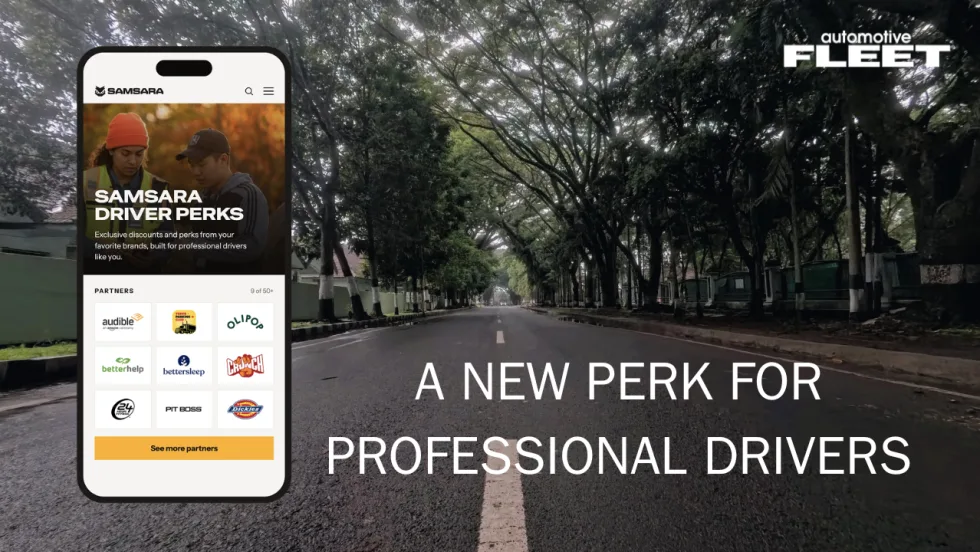
Samsara Driver Perks Adds New Benefit for Corporate Fleet Drivers
The rewards program gives eligible professional drivers access to discounts from more than 50 brands while giving fleets another way to support recruitment, retention, and the driver experience.
Read More →
Inside the Church of Jesus Christ of Latter-day Saints’ Two-Track Telematics Strategy
With 20,000 vehicles and two fundamentally different driver populations, the Church faced a fleet management problem that a single telematics program couldn't solve. How it responded offers a replicable framework for any fleet where one size doesn't fit every driver.
Read More →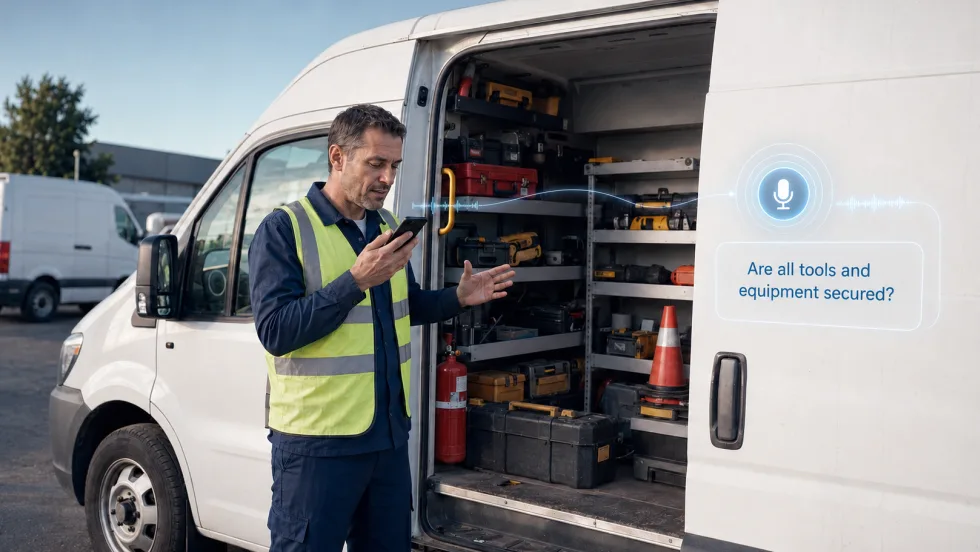
How Conversational AI Can Make Fleet Tasks Easier for Drivers
While most generative AI tools help fleet managers interpret data at their desks, Connex2X is applying voice interaction to tasks behind the wheel.
Read More →
Why Fleets Are Creating Dedicated Fleet Analyst Positions
Are fleet analyst positions the new norm? Listen here to find out.
Read More →
Teletrac Navman Begins Next Chapter as Standalone Private Company
What's new with Teletrac Navman and its new owner?
Read More →
Why Fleets Are Creating Dedicated Fleet Analyst Positions
Telematics, AI, EVs, and connected technologies are generating more fleet data than traditional teams can effectively manage. Reed Jackson explains why dedicated fleet analytics roles are emerging to turn that information into better operational decisions.
Read More →