




How Four Fleets Control Driver-Paid Options
Fleet that allow driver-paid options have discovered that remarketing costs are reduced and driver morale improved. These fleets set specific policies on allowable options to control problems that may arise.
Most fleets are ordering vehicles with attractive equipment packages these days to keep drivers satisfied and to improve resale values. But certain drivers are very particular about their equipment packages and want to upgrade options at their own expense.
Automotive Fleet spoke with four fleet managers to find out about their policies on driver-paid options and to discover if problems arise when allowing drivers to upgrade. Some of the highlights of these conversations were:
Drivers who pay for option upgrades tend to take better care of their vehicles, since many of them plan to purchase the vehicle at the end of its service life.
Allowing driver-paid options boosts employee vehicle sales since drivers ordering option upgrades have an investment in the vehicle and an incentive to purchase.
Remarketing costs are lowered through these employee sales because cost such as auction fees are eliminated.
Pfizer Boosts Driver Sales
Pfizer Inc., based in New York, NY, allows drivers to select driver-paid options from an approved list. The company's general policy for driver-paid options is that the options must maintain Pfizer's professional image and not detract from fleet vehicle resale value, according to Gordon West, corporate fleet manager.
West manages a fleet of 3,200 vehicles, the majority of which are midsize cars such as the Chevrolet Lumina, Buick Regal, Cutlass Supreme, Pontiac Grand Prix, Ford Taurus, and Mercury Sable.
Standard equipment on Pfizer fleet vehicles includes: tilt wheel, cruise control, AM/FM with cassette, power locks, power windows and seats on certain models, split seats, and safety equipment on certain models such as airbags and antilock brakes.
If drivers want more than the standard equipment, they can select from a list of acceptable options. After selecting the options when ordering vehicles, the drivers are sent a letter requesting immediate payment for the equipment. If drivers don't pay for the optional equipment in a timely manner, vehicle ordering may be delayed, throwing off the entire acquisition/disposal cycle.
Pfizer has found that allowing certain driver-paid options has contributed to increased employee sales and reduced remarketing costs. "If drivers take the time and expense to upfit a car to their needs, they're probably going to buy it," West says.
If the driver chooses not to buy the out-of-service unit, but instead facilitates a sale to a third party, Pfizer's policy is to give the driver the dollar difference between the wholesale value of the vehicle and what it actually sells for.
Allowing driver-paid options has not caused any major headaches for the company, West says. However, West had to disallow 16-inch wheels as an option because the replacement tires turned out to be too expensive, and suitable snow tires were difficult to find.
Talking Drivers Out of It
Karen Fries, corporate fleet operations manager for S.C. Johnson & Son, Inc. in Racine, WI, tries to discourage company drivers from ordering optional equipment, although driver-paid options are allowed with certain restrictions. "It doesn't make sense that they would want to spend another $2,000 on an entire package," Fries says. "The company is already equipping fleet vehicles with good packages."
The company equips fleet vehicles with cruise control, tilt steering wheel, air conditioning, AM/FM with cassette, power locks, and tinted windows. S.C. Johnson's fleet numbers approximately 850 vehicles - 60 percent passenger cars and 40 percent minivans.
One of the problems with driver-paid options, Fries says, is that manufactures usually only offer optional equipment as part of an entire package. For example, if a driver wanted to pay for power seats, he or she would have to order and pay for other equipment that comes with the package.
Fries explains to drivers that the optional equipment packages become property of the company, and the drivers will not share in the extra resale proceeds that the added options bring at resale. However, if drivers want to purchase fleet vehicles themselves, they are not "double dipped" - the drivers are not charged the extra amount that the vehicle would have earned because of its added options.
Drivers are also advised that fleet vehicles stay with the job; even though a driver has paid for options, the vehicle will not transfer with him to her to another position in the company, and the amount paid for the options will not be refunded if the options will not be refunded if the employee leaves the company.
For the most part, drivers who order self-paid options are planning on buying the vehicles themselves at the end of the lifecycle. These drivers tend to take better care of the vehicles because of this, Fries says.
Keeping Drivers Happy
Bob Fields, fleet administrator for Cargill Inc., based in Minneapolis, MN, finds that most of his company's drivers are content with the standard equipment packages in fleet vehicles - which includes V-6 engines, automatic transmissions, tilt steering wheels, cruise control, AM/FM with cassette, power door locks, anti-lock brakes, and airbags.
Permitting driver-paid options allows those few drivers who are particular about their vehicle equipment to order options that meet their needs. Cargill, a merchandiser/processor of agricultural commodities and a manufacturer of industrial commodities, has different policies on driver-paid options within its various divisions. Most divisions allow driver-paid options within reasonable guidelines.
Cargill provides fleet vehicles to sales representatives and currently operates 450 vehicles - mainly Ford Tauruses, Dodge Dynastys, and Chevrolet Corsicas.
Power windows and power seats are the most common driver-paid-option ordered, Fields says. The company doesn't allow drivers to upgrade engines or trim levels.
Cargill's policies on driver-paid options are designed to maintain uniformity among fleet vehicles. Maintaining uniform equipment packages is important for driver morale, since drivers may become unhappy if they feel others are receiving better equipment packages.
Allowed for Medical Reasons
St. Paul Fie and Marine Insurance Co., based in St. Paul, MN, doesn't allow driver-paid options, except for medical reasons, according to Paul King, fleet & travel services manager. However, the company is currently reexamining this policy. Allowing limited driver-paid options could boost employee vehicle sales, King says.
The main reason that employee-paid options are not allowed is because of potential misuse of fleet vehicles. For example, in the past, a few drivers paid for optional trailer hitches, using cars with four-cylinder engines to pull trailers too heavy for that size engine to handle.
Only two instances have occurred where the company has allowed employees to purchase additional equipment, and both concerned drivers with back problems. The company will allow options such as power seats and power windows in cases such as these.
The company currently has 1,000 fleet vehicles in operation, mostly Dodge Dynastys and Ford Tauruses used by claims adjusters. Standard equipment includes: cruise control, tilt wheel, cassette stereo units on certain models, and power locks.
Developing a List of Acceptable Driver-Paid Options
Here are some vehicle equipment choices you may want to consider for placement on an approved driver-paid option list. Some of these may be available for ordering as individual options; others may be part of option packages.
Power windows
Customer leather trim
Sunroof
Steering wheel cover
Aluminum wheels
Instrument panel/gauge package
Steering wheel touch controls
Power antenna
Stereo or radio upgrade
Deck lid luggage carrier
Power seats
Lighted visor vanity mirrors
Remote lock control
Power mirrors
Electronic air conditioner / climate control unit
More Operations
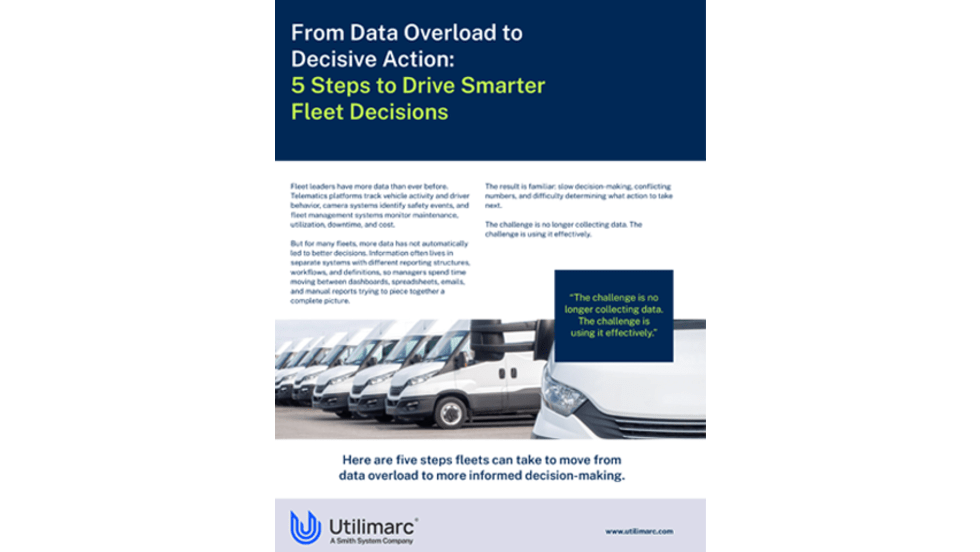
Turn Fleet Data Into Smarter Decisions
Fleet leaders have access to more operational data than ever, but disconnected systems and unclear metrics often slow decision-making instead of improving it. This article outlines five practical steps fleets can take to transform fragmented data into actionable insights that improve planning, safety, utilization, and long-term performance.
Read More →
Hybrids: Electrification Without the Challenges
For fleet managers, fuel is one of the biggest line items in the budget — and it's one hybrids can shrink without changing how your people work. Download the eBook to see the numbers, understand the technology, and get a step-by-step guide to making the switch.
Read More →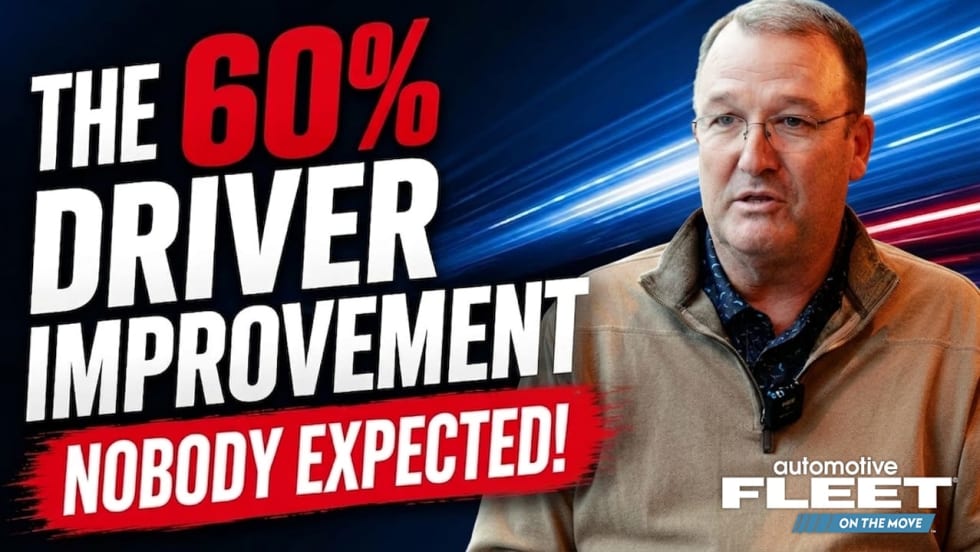
How NOV Uses Telematics to Improve Fleet Safety Across 160 Locations
James Victory of NOV discusses how the company manages fleet safety, maintenance, and telematics across more than 150 locations supporting oilfield operations throughout the U.S.
Read More →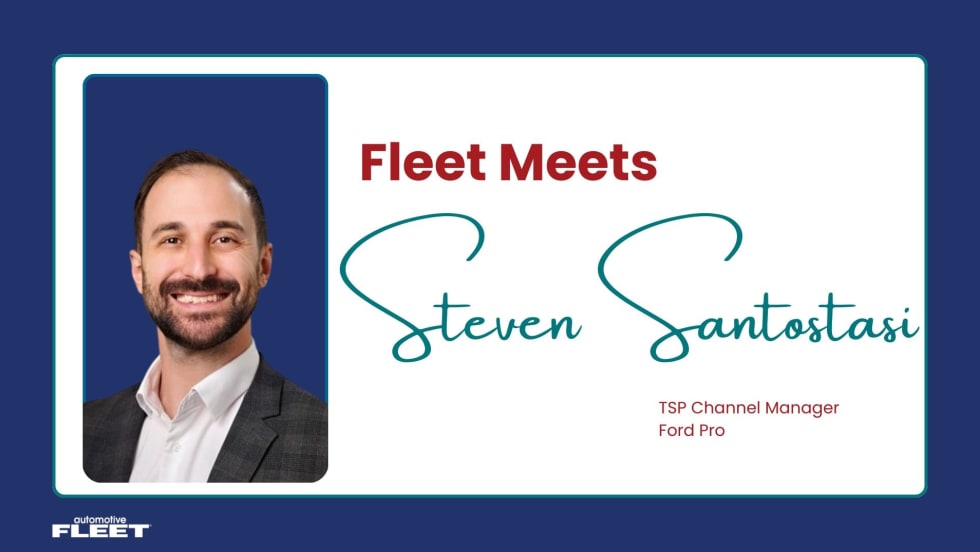
Fleet Meets: Steven Santostasi
This edition of the Fleet Meets series features Steven Santostasi, the current TSP channel manager for Ford Pro.
Read More →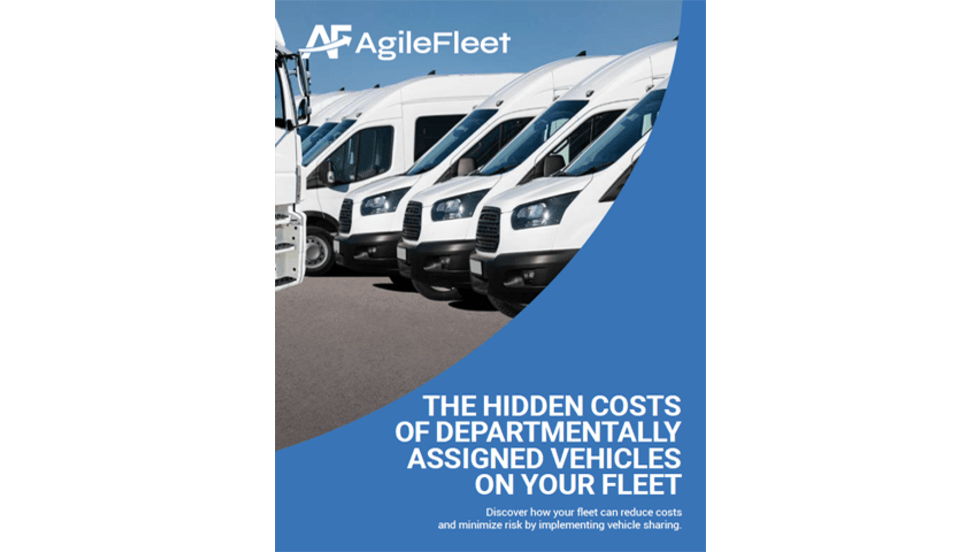
Why Fleet Managers Are Replacing Departmental Vehicles with Shared Motor Pools
Departmentally assigned vehicles often create hidden costs through underutilization, poor visibility, and increased administrative burden. This white paper explores how shared motor pool strategies help fleets reduce costs, improve accountability, and optimize vehicle utilization.
Read More →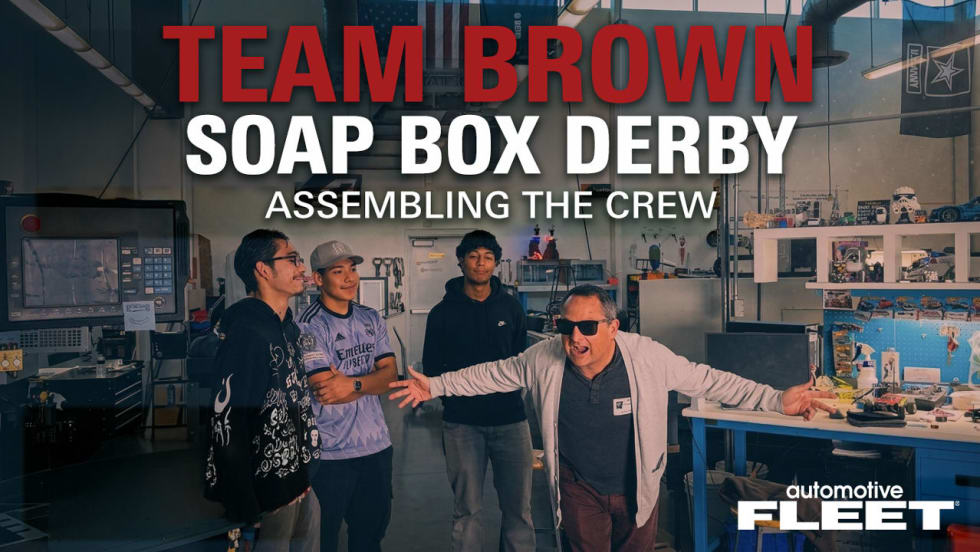
Soap Box Derby Challenge: Assembling the Crew
Meet Gabriel, Matthew, and Angel — the team helping bring this soap box derby build to life.
Read More →
BBL Fleet Acquires Velcor Leasing Corporation
BBL Fleet expanded its footprint in the fleet management industry with the acquisition of Velcor Leasing Corporation of Madison through a stock purchase agreement finalized Feb. 27, 2026.
Read More →
Lytx Introduces New AI Fleet Technologies at Protect 2026
The company introduced new AI-driven fleet safety and operations technologies during its annual user conference.
Read More →
Fleet Costs Are Rising: Here’s How Leaders Are Responding
Fleet leaders are under pressure to reduce costs, adapt to economic uncertainty, and make smarter decisions. See how peers across North America are responding with real data, proven strategies, and forward-looking insights. Download the 2026 Market Pulse Report to benchmark your strategy and uncover where you can gain an edge.
Read More →
From Waffle House to AI: Fleet Trends You Need to Know
In this AF news recap, host Faith Howell covers how Waffle House stepped up during disaster response and new AI tech on the market.
Read More →