




How Fleets Access — and Supply — the Turo for Work Trucks
Fetch is an on-demand peer-to-peer rental service for pickups, box trucks, and cargo vans. Cofounder Adam Steinberg says the commercial side is its fastest growing segment.

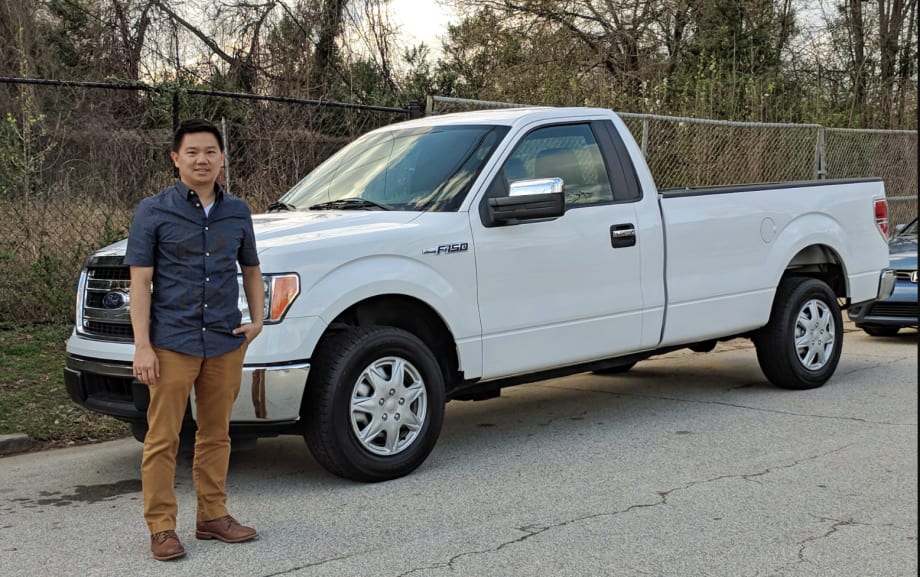
Alex Chu is a Fetch power host based in Atlanta.
Photo courtesy of Fetch.
If Adam Steinberg had his way, the bumper sticker might read, “Yes, this is my truck, and yes, you can use it to move — if you rent it through Fetch.”
Fetch, a peer-to-peer (P2P) marketplace like Turo and Getaround, allows users to rent trucks and vans 24/7 on demand for an hour, day, week, or longer. The entire rental process, from sign-up and verification to pickup and return, is done through a smartphone app. Renters can choose from pickup truck, cargo van, and box truck models.
“Our goal is to enable self-service,” says Steinberg, who cofounded the company with Chris Glace. Fetch vehicles are available in seven cities to date.
Steinberg sees opportunity in matching underutilized work vehicles with individuals and local businesses that have temporary, unexpected, or seasonal needs — such as movers, contractors, and sales and service fleets — particularly in areas that are underserved by traditional truck rental companies.
“The caterers, the florists, the event planners, they all have needs for trucks that aren’t on a five-days-a-week basis,” Steinberg says. “They can pick up and return a truck nearby whenever they need.”
On the supply side, commercial businesses will list their vehicles on Fetch when they need to supplement revenue on their vehicles. Steinberg gives the example of a logistics company that is facing gaps in delivery demand or changes in routes.
“Commercial businesses are bigger customers than vehicle supply partners at this point for us,” says Steinberg.
Suppliers to the site — hosts — are individuals, small fleet owners, and specialty rental companies looking to increase utilization of their trucks and vans. In February, Fetch partnered with Budget Truck Rental, making Budget trucks available through the online marketplace.
Like Turo, entrepreneurs are finding their way to the Fetch platform. “We've got a fair amount of ‘power hosts’ that buy two to five trucks and put them on Fetch for a secondary income source,” Steinberg says.
Self Service, After Hours
One such host, Marcus Garsdean, runs a large fleet buying brokerage service in the Los Angeles area.
Four months ago, Garsdean bought four Ram ProMaster 1500 van and Ram 1500 pickup models to supply the Fetch platform. He’s looking to add five more vehicles in the next few months.
While Fetch supplies a good portion of the renters, Garsdean created his own brand, LA Rental Trucks, with a website that funnels users to Fetch’s reservations system. Garsdean’s client base right now consists of local individuals, independent businesses, and production companies serving the tv and film industries.
The average Fetch consumer rental is typically a day, though hourly rentals are common. While much of Garsdean’s demand is for hourly rentals, Steinberg says most commercial rentals run from a day up to 30 days.
Compared to the franchised truck rental brands, “People love the self-service aspect, not having to deal with a counter or an agent,” Garsdean says. “And they love being able to pick up at 6am and return it past midnight.”
The Process
Fetch rentals are enabled by vehicle hardware that connects to the OBD-II port. The hardware facilitates remote lock and unlock, GPS tracking, immobilization, and access to telematics data. Hosts pay $49 per unit. Garsdean had his units installed at a car audio store.
Fetch hosts park their vehicles in driveways, on the street, in their own business lots, or in contracted parking, as is Garsdean’s case. The app unlocks the vehicles; the keys are inside.
Hosts ultimately control rental pricing, though Fetch provides suggestions on market rates. Fetch's cut is 20% of the rental rate for commercial hosts (that provide their own commercial insurance) and 30% for P2P hosts.
Fetch offers host insurance with a $1,000 deductible for physical damage. Fetch’s P2P policy covers owners of commercial fleet vehicles, or they could procure their own commercial rental policy, as Garsdean has done.
Steinberg sees near-term growth potential in other California cities as well in Texas and Charlotte, N.C. “We’re actively looking for partners to serve these new markets,” Steinberg says.
More Fleet Forward

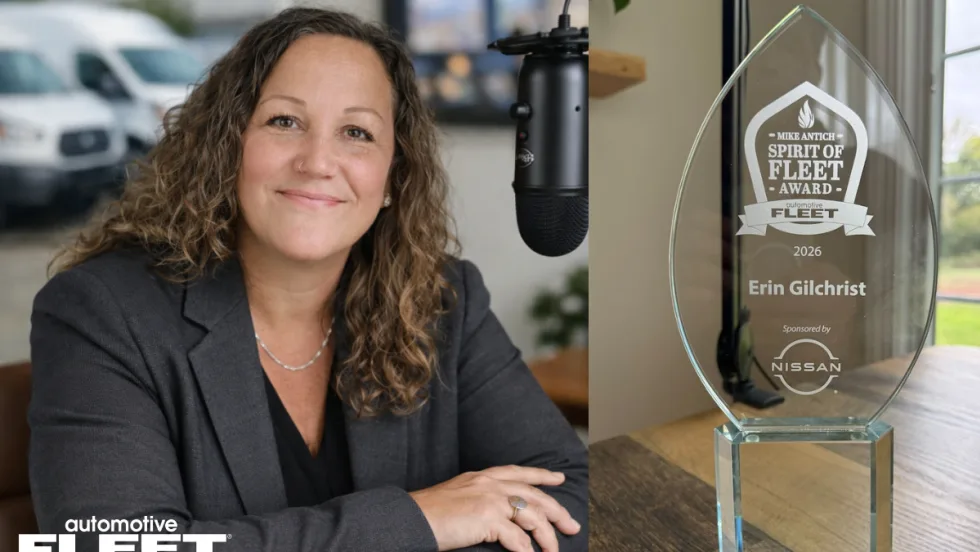
Erin Gilchrist Receives Mike Antich Spirit of Fleet Award
Last week at AFLA in Vegas, Erin Gilchrist received the inaugural, brand-new Spirit of Fleet Award.
Read More →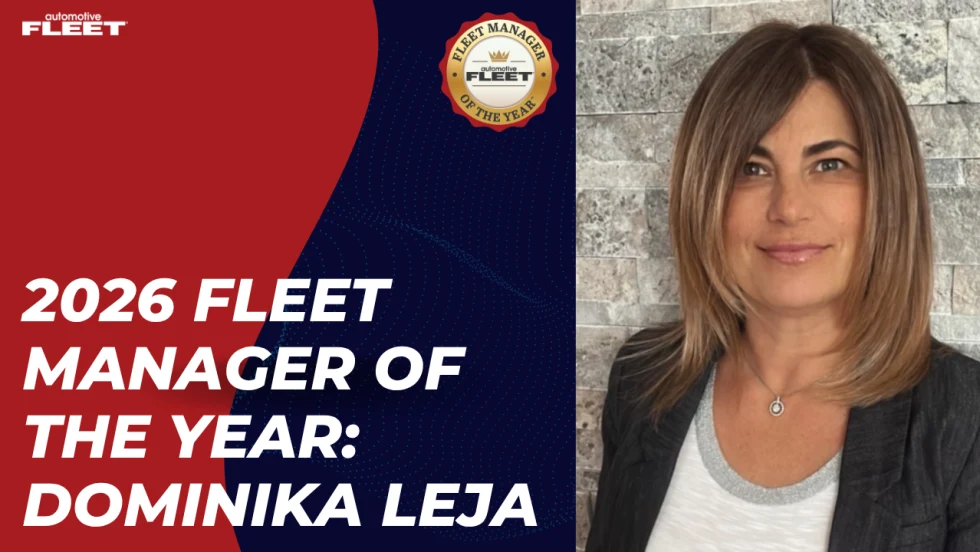
Dominika Leja Named the 2026 Fleet Manager of the Year
The AstraZeneca associate director of fleet was recognized for her leadership in fleet electrification, cost savings, and operational transformation.
Read More →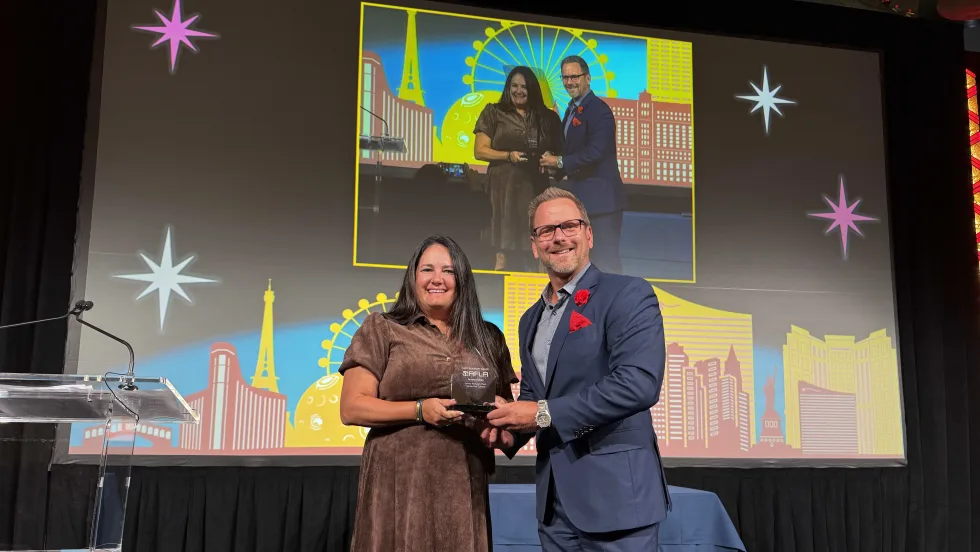
Jamie McKay Named the 2026 Fleet Visionary Award Winner
The Aptive Pest Control fleet manager was recognized for her approach to operations, data, lifecycle management, and driver needs.
Read More →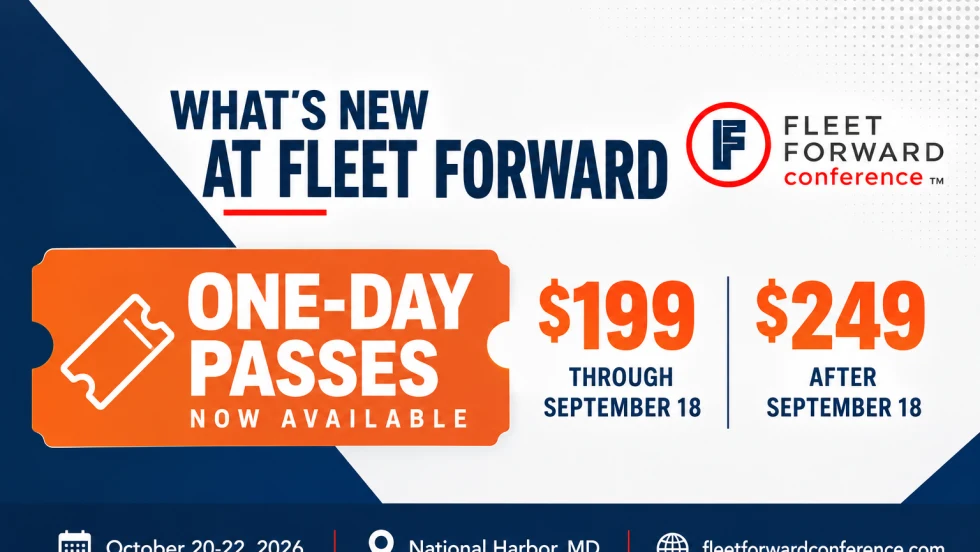
Fleet Forward Conference Introduces One-Day Passes for 2026
New one-day registration gives fleet professionals the flexibility to attend Tuesday, Wednesday, or Thursday, with passes available for $199 through Sept. 18.
Read More →
Vibe Coding: When Fleet Managers Become Software Builders
Five fleet professionals — none with programming skills — discuss how they’re using AI to build fleet solutions in-house and in a fraction of the time.
Read More →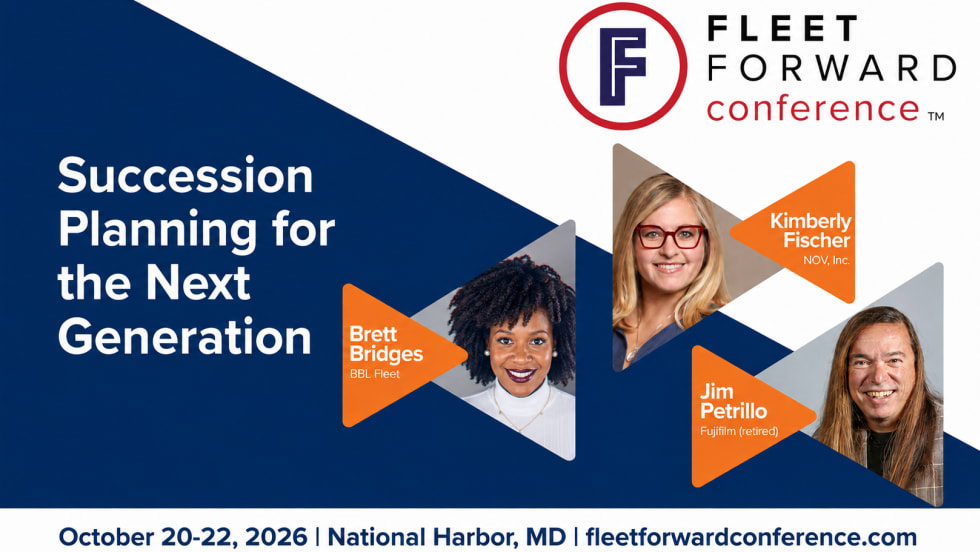
Fleet Forward Conference Tackles Fleet Industry’s Growing Leadership Gap
This session will examine succession planning, knowledge transfer, and the skills the next generation of fleet leaders will need as veteran professionals leave the industry.
Read More →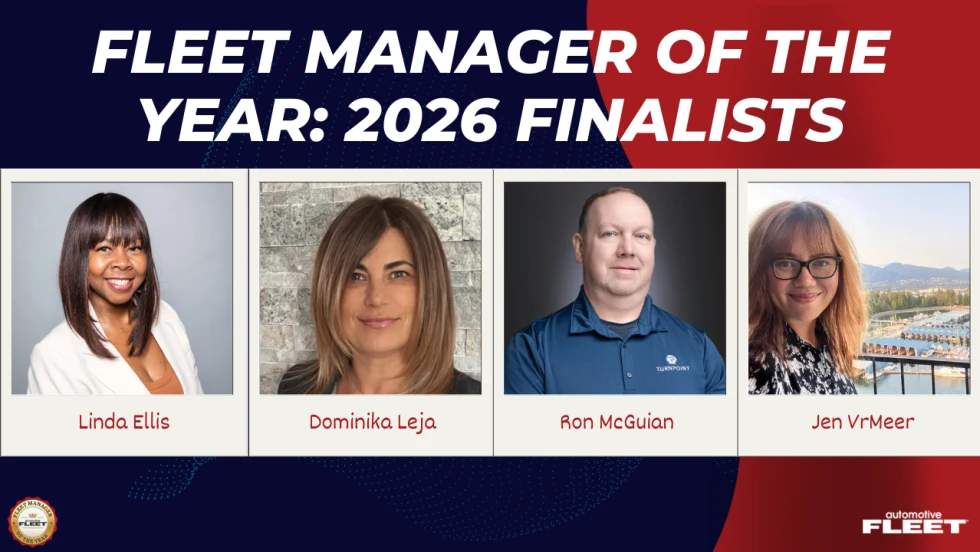
2026 Fleet Manager of the Year Finalists Announced
Who are the 2026 Fleet Manager of the Year finalists?
Read More →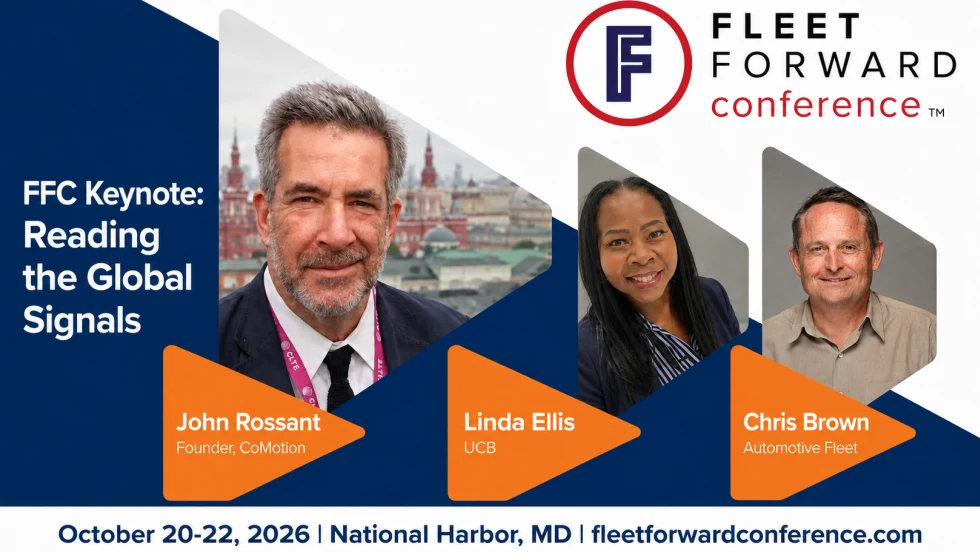
John Rossant to Deliver Opening Keynote at 2026 Fleet Forward Conference
The CoMotion founder will draw on developments across Europe, China, the Middle East, and other international markets to identify trends that could influence how U.S. fleets plan for the coming decade.
Read More →
How to Build Custom Fleet Tools With AI and Vibe Coding [Webinar]
A new Automotive Fleet webinar explores how fleet managers are using AI and vibe coding to automate routine work and create simple operational tools without traditional programming skills.
Read More →