




Four Ways to Avoid Overloading
Each year, Automotive Fleet conducts an operating cost survey and a separate fleet maintenance expense survey. And each year, we find that the number one cause of unscheduled truck maintenance expense is overloading. This is a chronic problem for fleets and there are several factors causing it.


Each year, Automotive Fleet conducts an operating cost survey and a separate fleet maintenance expense survey. And each year, we find that the number one cause of unscheduled truck maintenance expense is overloading. This is a chronic problem for fleets and there are several factors causing it. One reason is that companies seek to lower acquisition costs by selecting lower-GVW trucks. Although this strategy saves money on the front end, the inevitable overloading increases operating costs on the back end. A second reason for spec'ing lower-GVW trucks is to avoid DOT regulations, which require drivers to have a commercial driver's license (CDL) to operate vehicles greater than 26,001 lbs. GVW. With the ongoing shortage of drivers, those with CDLs are difficult to find, and when found, are expensive to hire. The easy way to avoid this problem is to spec a truck with a lower GVW rating.
Four Ways to Avoid Overloading
There are four steps you can take to avoid overloading:
1. Select a Different Vehicle.
You may not need a larger vehicle to carry your desired payload, just a different vehicle. A cargo van may not be the best for your needs; you might do better with a pickup truck with a topper combination and pull-out shelving system, which can haul more weight.
2. Don’t Carry Unnecessary Items.
One way to avoid overloading a vehicle is to eliminate unnecessary equipment or shelving. Modify storage bin units to fit your needs. Clean out the unnecessary items. Carry only those items that you know you will need. If given an opportunity, drivers will carry everything they can conceivably fit into a vehicle.
3. Smarter Routing.
Schedule pick-ups to correspond to drop-offs. If applicable, employ a hub and spoke distribution system using a centralized hub vehicle, such as a large stepvan, rather than driving to a centralized warehouse. A large telecommunications fleet in Southern California, which is using smaller vehicles to make shorter trips to a hub vehicle, has adopted this approach.
4. Train Drivers on Proper Load
Distribution. Design loading areas that force workers to position freight correctly. Schedule the routes so that freight is positioned for weight distribution and not in the interest of delivery time. It is also important to train drivers on proper loading techniques so they don't create an unsafe situation. During the training process, don't forget to train forklift operators on proper freight distribution.
Investigate Firsthand
One of the best ways to determine if your vehicles are being overloaded is to go into the field and assess vehicle usage. There are several ways to determine overloading: a sagging rear-end, irregular tire wear, premature brake wear, and loose unresponsive suspension and steering. Drivers can be requesting the wrong vehicle for the application, and all the while the fleet manager thinks everything is fine. If you're purchasing a vehicle and aren't sure of the application, you can always check with the Federal Motor Vehicle Safety Standards (FMVSS) to ensure the vehicle you're considering is compliant with FMVSS safety regulations. Overloading creates an unsafe vehicle and increases liability exposure in the event of an accident. Consider the following:
Emergency handling capability of an overloaded vehicle is reduced, which may result in an accident.
Braking distance increases, which can cause drivers to misjudge stopping distances.
Tire failure rates are higher, because tires run hotter.
Plus, roadside weight checks (if applicable) could result in overloading fines and possible vehicle impoundment until the problem is corrected. It is also advisable to avoid modifying a vehicle to accommodate a heavier payload, such as changing tire sizes, adding spring kits, air shocks, heavy-duty brakes, and anti-sway kits. When you modify a vehicle, you create an unsafe situation by changing the integrity of the vehicle. In addition, this may affect the new-vehicle warranty and increase liability exposure if there is an accident.
Let me know what you think.
More Operations

The Top 300 Commercial Fleets
The Top 300 Commercial Fleets: See the List
Read More →

Your Local Dealer Knows More Than You Think
Your local dealer can provide an information advantage that extends well beyond courtesy deliveries.
Read More →


Fleet Meets: Austin Schutte
Here are some industry insights, personal touches, and words of advice from the CEO and Founder of Anew Solutions.
Read More →
Soap Box Derby Challenge: What’s Powering Team Brown
The car is coming together, the students are solving real build problems, and the fleet industry is helping push Team Brown toward the starting line.
Read More →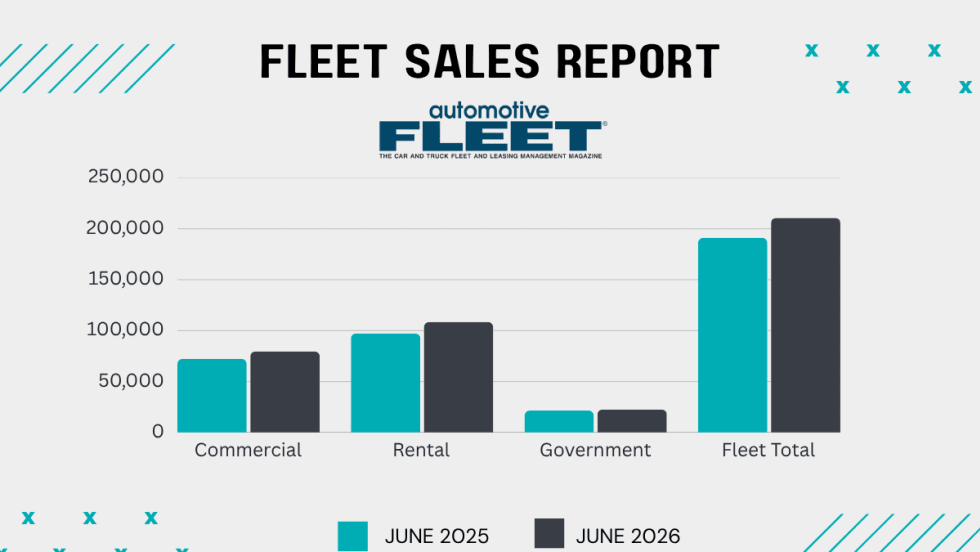
Commercial Fleet Sales Contribute To June, YTD Gains
The fleet sector has boosted its vehicle purchases at a reliable pace in the first half of this year compared with 1H 2025.
Read More →
What Fleet Managers Really Want From Vendors
From customer service frustrations and technology breakdowns to RFQs, change management, and the growing impact of turnover across the industry, this conversation pulls back the curtain on the real operational challenges fleet managers are navigating every day.
Read More →
Fleet Safety Masterclass: Industry Leaders on Storytelling, Strategy & Innovation
In this special masterclass episode, industry leaders break down what it really takes to build safer fleets in today’s increasingly distracted and data-driven world.
Read More →
Integrating Legacy Fleet Systems and Historical Data
In this episode, we bring together fleet and technology leaders to unpack the realities of data integration, system migrations, and the evolving role of AI in fleet management.
Read More →
From Resistance to Results: Change Management Strategies for Fleets
From new technologies and safety programs to evolving regulations, fleets are under constant pressure to adapt. But as Dr. Betz explains, success isn’t about the system you implement—it’s about whether your people actually use it.
Read More →