




Fleet Women Laud New CEO of GM
General Motors' appointment of Mary Barra as the first female CEO of a global automotive company in December instantly ignited discussion about the role of women in the male-dominated boardrooms of the automotive industry.

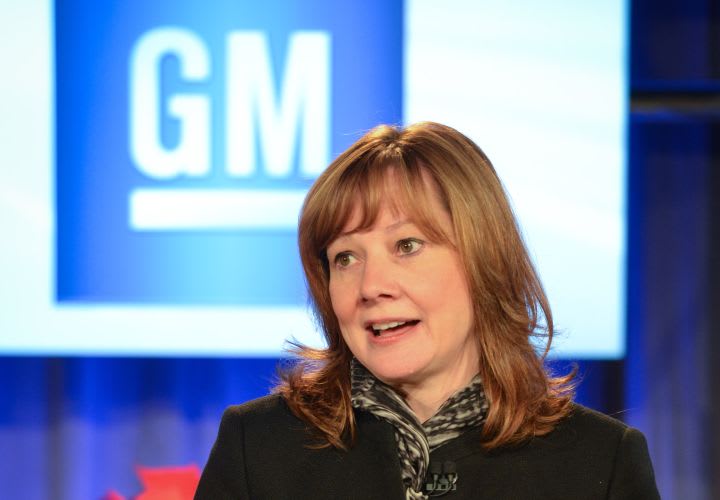
Photo of Mary Barra courtesy of GM.
Photo of Mary Barra courtesy of GM.
General Motors' appointment of Mary Barra as the first female CEO of a global automotive company in December instantly ignited discussion about the role of women in the male-dominated boardrooms of the automotive industry.
While high-level female automotive executives have been a rare breed, Barra's rise through GM from a summer internship to the top of the C-suite has inspired female fleet executives, who say she's earned her seat at the table.
"Most women in fleet are doing the same thing," said Rachel Johnson, fleet specialist for Konecranes. "They are earning their place and businesses are finally realizing women have much to offer. If they are dedicated and excel within the company, there's no reason a woman shouldn't be given the same opportunities as men for advancement."
Barra started working for GM in1980 as a co-op student. She held various engineering and administrative positions, and was eventually named manager of the Detroit/Hamtramck Assembly plant.
Barra studied electrical engineering at the General Motors Institute (now Kettering University), where she earned a bachelor of science degree. She attended the Stanford Graduate School of Business on a GM fellowship, and earned a master's in business administration in 1990.
In February 2008, she became vice president of global manufacturing engineering. Almost 18 months later, GM elevated her to vice president of global human resources. In February 2011, she became executive vice president of global product development, where she worked to trim the number of GM automobile platforms. In August, she added responsibility for global purchasing and supply chain to her responsibilities.
On Dec. 10, 2013, Barra was named CEO, replacing Dan Akerson, and joined the GM Board of Directors. Barra stepped into her new role in January, and will work closely with Theodore "Tim" Solso, the former chairman and CEO of Cummins, Inc., who was named GM chairman.
Barra's appointment to CEO is "a huge milestone," said Helene Kamon, a former AmeriFleet vice president, member of the AF Fleet Hall of Fame, and a trailblazer herself as the first female president of the Automotive Fleet & Leasing Association (AFLA).
Kamon first worked in the automotive business in 1970 at a time when it was "an old boys club." In 1980, she was named fleet director for Wendy's International. "I am very happy I lived to see this. I'm just delighted. It opens a lot of possibilities," she said.
Female CEOs remain a rarity among Fortune 500 companies. Only 23 (4.6 percent) are now led by a female. For this reason, Barra's appointment is "a huge step in women breaking through the glass ceiling," said Donna Bibbo, fleet and employee services manager at Novo Nordisk.
"I think her ascendency will be applauded, but also watched very carefully," Bibbo said. "It is important that she succeed, and I certainly expect that she will, while bringing new ideas from the female perspective to the industry."
Several female fleet managers credited Barra as a role model for them. "It is inspiring to have a female role model in the industry that has reached that level of success," said Debbie Struna, Rite Aid's fleet manager.
Theresa Belding, director of fleet services for Forest Pharmaceuticals, said she'd like to hear from Barra firsthand perhaps at an upcoming AFLA conference or at a meeting of AFLA's Women in Fleet Management group.
"This is very exciting," Belding said. "It's very inspiring and encouraging to me as a woman in this industry."
Other female fleet managers downplayed Barra's gender role as GM's new CEO. Gail Watson, fleet and parking services manager at insurer Nationwide, said it was her last thought when hearing about Barra's appointment.
"I'm not sure there's a point to drawing the gender line," Watson said. "Mary's background speaks for itself."
Barra was likely chosen because she is "the right person in the right job at the right time," said Elsie Lucia, Estee Lauder's fleet services director and a former AFLA president. "Being the first female [CEO] in the global car business is a milestone, but she is smart and has worked in many areas of the company, which will be to her advantage. I'm sure she will bring a different perspective to the office of CEO — not a bad thing."
More Operations
A buyer's guide to fleet management software in 2027
Buying fleet management software in 2027 means looking beyond features and price. As fleet operations, technology and expectations evolve, this guide explores what today’s fleet professionals should consider when choosing a system that can deliver value now and adapt to what comes next.
Read More →
What Will Shape the Next Era of Fleet Management?
EVs, AI, and autonomous vehicles are reshaping fleet management. Discover what’s ahead—and how fleet leaders can prepare for the next era.
Read More →
How Fleets Can Recruit and Train Veterans for Technician Roles
Here's how the technician shortage has affected uptime for fleets, and what to do about it.
Read More →

Avis Budget Group Deploys Neology Toll Management Technology Across Major Brands
Neology’s neoFleet platform will manage toll transactions and toll-authority operations for vehicles across Avis, Budget, Payless, Budget Truck and Zipcar.
Read More →
Fleet Personal-Use Charges Edge Higher in 2026
Nearly eight in 10 surveyed fleets allow personal use of company vehicles, while just over half of respondents report charging employees for the privilege.
Read More →
The Future of Fleet + What’s Changing Right Now | AF News Recap
Could developments overseas offer a preview of what’s coming for U.S. fleets? This week, we’re looking at the future of AI, autonomy, and electrification, plus Ford Pro’s new certified pre-owned program, smarter vehicle offboarding, and a new way for fleets to manage toll expenses.
Read More →
How to Handle Vehicle Offboarding
What do fleet managers need to do when a driver leaves?
Read More →
Fleet Manager’s Ultimate Playbook: Navigating the New Standard in OEM Connectivity
Rising operating costs, driver safety concerns, and unplanned downtime are putting unprecedented pressure on modern fleets. Discover how fleet managers use embedded OEM connectivity and real-time vehicle data to cut TCO, prevent downtime, and protect drivers without aftermarket telematics hardware.
Read More →
U.S. Bank Adds Verra Mobility Toll Management to Voyager Fleet Platform
The integration allows U.S. Bank Voyager fleet customers to manage toll payments and violations alongside fuel, EV charging and maintenance expenses.
Read More →
ADAS Prevents Crashes. But Repairs Cost More | AF News Recap
ADAS-equipped vehicles may crash less often, but they can cost more when they do. This week, we’re breaking down what that tradeoff means for fleets, plus Subaru’s first Forester Wilderness Hybrid, Nissan’s new e-POWER Rogue, and why Calstart has become Catalyst Mobility.
Read More →