




Fleet Policy is the DNA of Your Fleet
For the past several years, I have read with fascination about the human genome project, which seeks to decipher the DNA instructions that, along with environment, help to determine who we are as individuals. In the same vein, I believe that each fleet also has a DNA of sorts, which is comprised of the procedures and regulations that are codified in its corporate fleet policy.


It is these procedures and regulations that determine the types of fleet each of us operates and its characteristics. Think about it. By creating policy such as to who is eligible for a company vehicle, you are, in effect, determining the size of your fleet.
In my discussions with fleet management companies over the years, they tell me that the best managed fleets tend to be those that adhere to a written fleet policy. Fleet policy is crucial and it should be part of each company’s business strategy. Every affected department should be involved in the process of creating fleet policy. However, it is the fleet manager who should manage the policy creation process.
Once a policy is established, it is your responsibility to
communicate these policies to your drivers. Each of your drivers should know the rules governing the use of a company vehicle and what actions will be taken for non-compliance. A common problem is that the fleet manager communicates policy to the drivers’ managers, but the word doesn’t gets down to the individual drivers. To avoid this problem, many companies teach policies and procedures regarding company vehicles as part of the new employee orientation and provide printed fleet policy manuals with each fleet vehicle.
The Danger of Policy Exceptions
When dealing with driver-related problems, the last thing you want to do is create a new problem in the course of resolving one. The surest way to do so is to make an exception to your company’s vehicle usage policy.
It is extremely important that the rules governing the withdrawal of a company vehicle privilege be uniformly enforced for all employees. You should not set precedent by allowing exceptions. If your company becomes embroiled in litigation involving a company vehicle because of a problem driver, these exceptions and prior policy precedents can be used against you. The most carefully developed policy can be torn to shreds by a precedent-setting exception, which could be used to accuse you and your company of negligent entrustment and/or negligent retention.
No policy can anticipate all possibilities, but consistency in dealing with all the drivers assigned company vehicles at different locations is essential. To accomplish this, it is crucial for senior management to give the fleet manager the appropriate authority to address non-compliance by drivers and those departments’ assigned vehicles. This will go a long way toward reducing and sometimes eliminating driver compliance issues.
The fleet manager must have the authority and backing of upper management to address a driver’s inability to operate and maintain an assigned vehicle. This authority allows the fleet manager to address violations of fleet policy without approval or direction from upper management.
If litigation occurs, the first thing an attorney is going to ask is to review your company vehicle policy. With this in mind, it is critical that a fleet manager makes sure all drivers uniformly
adhere to company fleet policy. There should be no exceptions to your company vehicle policies. This simple rule will make your job a lot easier and may save you from a lot of potential grief.
Let me know what you think.
mike.antich@bobit.com
More Operations
How to Manage Conflict for Your Fleet Operations
Conflict management is becoming a core leadership skill. Here are five strategies fleet leaders should know.
Read More →
Turning Connected Vehicle Data Into Decisions That Matter
Fleet leaders have more data than ever, but turning that data into clear, actionable decisions remains a challenge. This white paper shows how leading organizations are using connected vehicle data to improve safety, reduce costs, and optimize fleet performance. Learn how to turn insight into action across your fleet.
Read More →
Cameras, Safety and Insurance: From Reactive Claims to Real-time Prevention
Commercial auto remains one of the most challenging and costly lines of coverage for fleet operators and insurers alike. Learn more about how to effectively address these issues from Onur Aksan, Enterprise Business Development Executive, Geotab.
Read More →

Are You Tracking Your Fleet's True Total Cost of Ownership?
Bobit Business Media surveyed 190 fleet professionals and found that while most fleets are tracking costs, fragmented systems and data gaps are keeping true TCO visibility out of reach. With rising pressure to control spend in an increasingly volatile environment, the gap between what fleets think they know and what the data actually shows is wider than you might expect. See how your peers are managing costs today and where the industry still has room to improve.
Read More →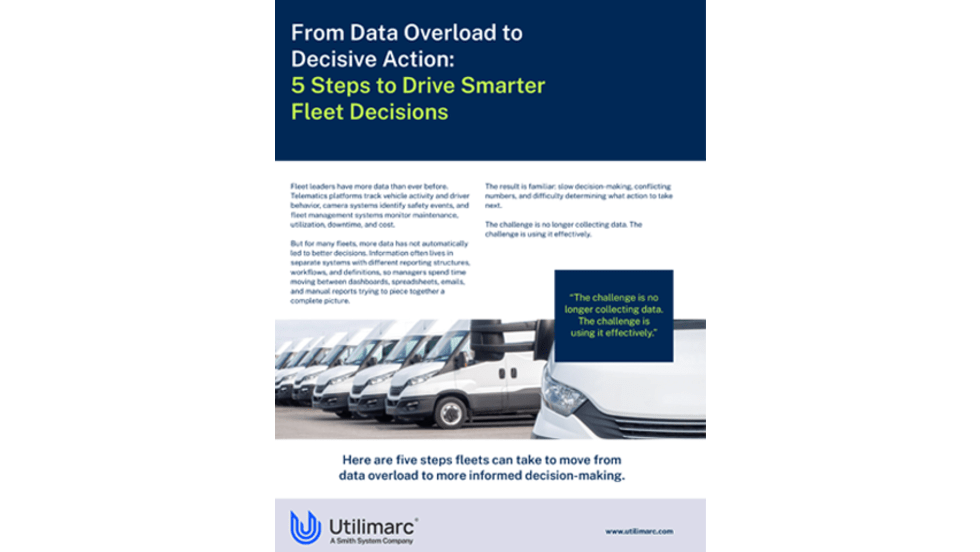
Turn Fleet Data Into Smarter Decisions
Fleet leaders have access to more operational data than ever, but disconnected systems and unclear metrics often slow decision-making instead of improving it. This article outlines five practical steps fleets can take to transform fragmented data into actionable insights that improve planning, safety, utilization, and long-term performance.
Read More →
Hybrids: Electrification Without the Challenges
For fleet managers, fuel is one of the biggest line items in the budget — and it's one hybrids can shrink without changing how your people work. Download the eBook to see the numbers, understand the technology, and get a step-by-step guide to making the switch.
Read More →
How NOV Uses Telematics to Improve Fleet Safety Across 160 Locations
James Victory of NOV discusses how the company manages fleet safety, maintenance, and telematics across more than 150 locations supporting oilfield operations throughout the U.S.
Read More →
Fleet Meets: Steven Santostasi
This edition of the Fleet Meets series features Steven Santostasi, the current TSP channel manager for Ford Pro.
Read More →
Why Fleet Managers Are Replacing Departmental Vehicles with Shared Motor Pools
Departmentally assigned vehicles often create hidden costs through underutilization, poor visibility, and increased administrative burden. This white paper explores how shared motor pool strategies help fleets reduce costs, improve accountability, and optimize vehicle utilization.
Read More →
Soap Box Derby Challenge: Assembling the Crew
Meet Gabriel, Matthew, and Angel — the team helping bring this soap box derby build to life.
Read More →