





Digging Deeper: The Death of the Small Compact Van
Euro-Style Cargo Vans Break the Mold
A new breed of commercial van is sweeping the country with capabilities and features unheard of just a few years ago. Here’s why many experts think these vans will soon dominate in light- and medium-duty fleets.
December 19, 2016
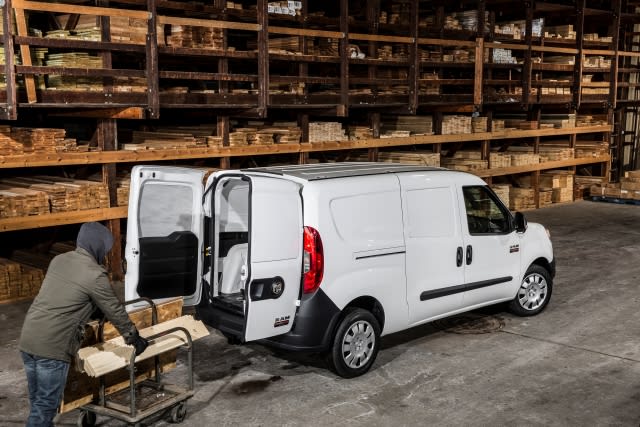
Euro-style vans, like the Ram ProMaster City, offer more cargo room than box-style vans and are more easily configurable for a variety of upfitting options. (Photo courtesy of FCA US)
7 min to read

Euro-style vans, like the Ram ProMaster City, offer more cargo room than box-style vans and are more easily configurable for a variety of upfitting options. (Photo courtesy of FCA US)
In terms of longevity, the American-style, “box” utility van has enjoyed a remarkably long lifespan. Ever since the basic configurations of the design were hammered out in the 1960s, these vans have been a workhorse for an entire swath of businesses and small- and medium-duty commercial fleets.
But a new kind of van has emerged in recent years, featuring a drastically different look, and fleets are taking notice.
European-style vans made their first appearance in North American markets in 2001, when the Daimler Corporation, fresh off the heels of its acquisition of Chrysler, introduced its Sprinter van, branded as both Dodge and Freightliner models.
To American eyes, the new van looked decidedly, well... foreign. It featured a high-roof design, multiple wheelbases, as well as a decidedly conservative powertrain by U.S. standards. And, while reception was initially mixed, the new design offered some intriguing possibilities: The rear cargo area was exceptionally roomy and easily configured to handle a variety of shelving, storage, and hauling options. And, as it turned out, those were features a surprising number of American businesses and fleets were looking for in their work vans.
“When you look back at the evolution of van design in North America, you realize pretty quickly that these vehicles were based on pickup truck designs that were fairly standardized among the Big Three automakers at the time,” said Dave Sowers, head of marketing for Ram Commercial Trucks. “And, if you look at vocational vehicles around the globe, you realize that you really don’t find American-style pickup trucks in too many other markets overseas. So, in reality, conventional American box vans developed in isolation from other automotive design trends around the globe.”
What this meant, Sowers explained, is the typical box van usually had a V-8 engine sitting under a doghouse hood in the cab, rear-wheel drive, and a body-on-frame without any significant differences in design from manufacturer to manufacturer.
“These new vans didn’t have those same design limitations,” Sowers said. “So, they were much more open to innovation. Moreover, they were designed to operate in very congested cities with old, narrow roads and work in a culture that was much more focused on fuel efficiency than the U.S. was at the time.”
A Winning Formula
Today, Sowers said European-style vans account for more than half of Ram Commercial’s annual sales, with trends pointing to an even stronger market share to come.
“I think we’re well on our way to these vans becoming the default choice for businesses and fleets in North America,” he said.
Ford’s experience has been similar, said Julie Ellenberger, Ford brand manager for Transit, Transit Connect, and E-Series vans. She said some longtime Ford van customers looked sideways at the company’s European-style Transit van when it debuted in North America in June 2014, but any hesitation did not last long.
“Within six months, Transit took over as America’s best-selling van and has not looked back,” she said. “Today, it outsells every other van every month (including full-size, compact, and even minivans). So yes, it caught on quickly!”
Ellenberger touted several of Transit’s unibody design features as key to this success. She also noted that the Euro-style Transit and Transit Connect offer many advantages over Ford’s traditional body-on-frame E-Series van, including better fuel economy, cargo capacity, payload, and flexibility.
“Thanks in part to weight savings from its unibody design, Transit offers up to 46% better fuel economy than E-Series (when comparing the 3.5L EcoBoost engine vs. the E-Series premium gas engine),” she said. “Transit also provides maximum cargo capacity of over 487 cubic feet when properly equipped, which is up to 75% more capacity than the largest E-Series van. Transit vans deliver as much as 4,560 pounds of maximum load capacity — more than comparable E-Series and other traditional vans. These fundamental design differences are letting customers carry and haul more equipment and cargo than they could in the past, letting them use their vans in new ways.”
According to Sowers, Ram’s ProMaster offers similar hauling and configuration performance.
“ProMaster has the same payload capacity as the heaviest version of a 1500 Series box van with a body-on-frame design. It can carry 4,400 pounds of payload very efficiently,” he said. “We call it a ‘super urban’ vehicle, and that is really a good description because it offers all that performance and capability in a compact size with high maneuverability. You can also spec our ProMaster City model, which offers even better maneuverability while handling 1,800 pounds — almost a ton of cargo — or 320 cubic feet of storage space while still delivering 28 mpg on the highway.”
Another strength Sowers noted is the inherent traction offered by a front-wheel drive powertrain, which he said helps fleets in Northern climates stay productive when the weather turns nasty.
“For starters, you get much better turning radius with front-wheel drive,” he said. “But that capability is also coupled with very good traction in all weather conditions — both loaded and unloaded.”

The Ford Transit’s unibody design offers better fuel economy, more capacity, and a higher maximum load capacity than a comparable box-style van. (Photo courtesy of Ford Motor Co.)
A Different Take on a New Approach
While these traits are clearly sweeping the domestic van market today, some manufacturers still see some inherent strengths left in the older van design points. And, at the same time, not everyone is convinced the “European” tag is the best description for these new van models.
Nissan also jumped into the new-style van market in a big way when it launched its NV Cargo in 2011, NV Passenger in 2012, and NV200 compact cargo van in 2013. Gary Van Orden, national account manager, light commercial vehicles for Nissan North America, said NV Series vans offer differences beyond their continent of origin.
Nissan NV Series vans share many common design cues with vans that were designed and marketed in Europe. These include flexible payload capacities, higher overall cargo capacities, and “high roof” configurations. But, at that point, Van Orden said Nissan opted to do a few things differently.
“All markets have seen overall acceptance of the unibody vans,” he said. “But, there has been some pushback from trades like the HVAC industry that carry heavy concentrated loads. These fleets still tend to favor the body-on-frame construction, which is a design feature Nissan retained in the NV design.”
Van Orden noted that unibody designs result in excessive flexing of the vehicle body, especially if water-level loading practices are not implemented.
“From a design standpoint, this flex must be minimized to increase vehicle durability and usable life,” he explained. “Because we have a body-on-frame design, NV vans do not suffer from excessive flex. As a result, it can tow almost twice as much as a unibody van and will last longer. That is one of the reasons every NV comes with a five-year/100,000-mile bumper-to-bumper warranty.”

Although it shares many of the same traits as Euro-style vans, Nissan’s NV series uses a body-on-frame construction. (Photo courtesy of Nissan North America)
Van Orden said other major design traits offered by Euro vans, such as more fuel-efficient powertrains, were also incorporated into the new NV Series.
“With the NV, the biggest change from conventional North American vans was the elimination of the ‘dog house’ in the passenger compartment,” he said. “Nissan engineers pushed the engine out front on the NV to make more room for taller drivers or a mobile office and to simplify maintenance. It also made the interior cooler, quieter, and safer in a front-impact collision.”
Sowers said unibody van designs today are often lower to the ground than on-frame models, which pays big dividends for drivers throughout long work days.
“The load floor in our full-size ProMaster is only 21 inches off the ground,” he said. “That’s about a full foot lower than the old pickup-based vans. And, we know from talking to many of our parcel delivery company customers that a 6-inch load height is a huge advantage for drivers in terms of safety and fatigue. Many of these drivers get in and out of the back of their vans more than 60 times a day while on a route. So the advantages of having a van lower to the ground are obvious.”
Van Orden said that, while smaller displacement engines have also been a hallmark of modern van design, many American fleets like the new vehicle configuration, but will want a more powerful engine up front for getting things done.
“Smaller displacement engines play a big role in fuel efficiency,” he said. “But the introduction of improved transmissions is also helping fuel economy while retaining outstanding performance. Some OEMs are using turbos to compensate for the smaller engines to make more horsepower. We’re still using V-6 and V-8 gas engines in our NV vans. And, in fact, Nissan just introduced a new V-8 engine for MY-17 mated to a new 7-speed transmission to improve fuel economy.”
Topics:Nissan NVRam ProMasterFord TransitCargo VansFull-Size VansCompact VansOperationsVehicle Research
Originally posted on Work Truck Online
Subscribe to Our Newsletter
More Vehicle Research
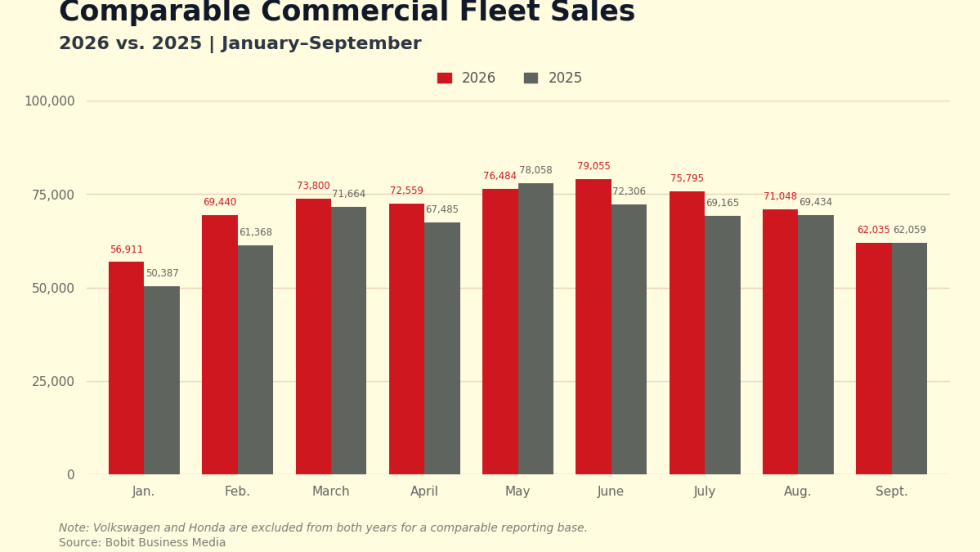
Commercial Fleet Sales Rise 5.8% Through September 2026
September commercial fleet sales were essentially unchanged from a year earlier, slowing year-to-date growth while keeping volume ahead of 2025.
Read More →
Hall of Fame Inductee: John Dmochowsky
The longtime Mondelēz International fleet executive joins the Automotive Fleet Hall of Fame.
Read More →
Hall of Fame Inductee: Lee Miller
After more than four decades at Boehringer Ingelheim, Lee Miller leaves a legacy built on fleet expertise.
Read More →
Hall of Fame Inductee: Mark F. Petersen
From managing fleets of thousands of vehicles to advancing safety and mentoring fellow professionals, Mark F. Petersen made his mark across both the corporate and supplier sides of fleet.
Read More →
When Charger Downtime Becomes a Fleet Availability Problem
As EV deployments move beyond pilot programs, charger reliability can directly affect vehicle readiness, driver productivity and route scheduling.
Read More →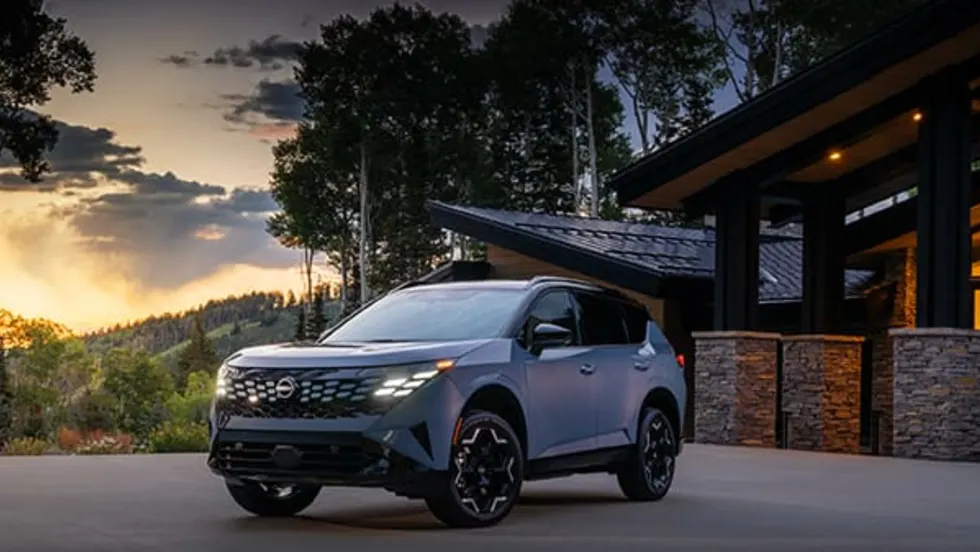
2027 Nissan Rogue Hybrid Adds e-POWER, Standard AWD
The new Rogue Hybrid uses Nissan’s e-POWER system with dual electric motors, offers an estimated 40 mpg and starts at $35,490.
Read More →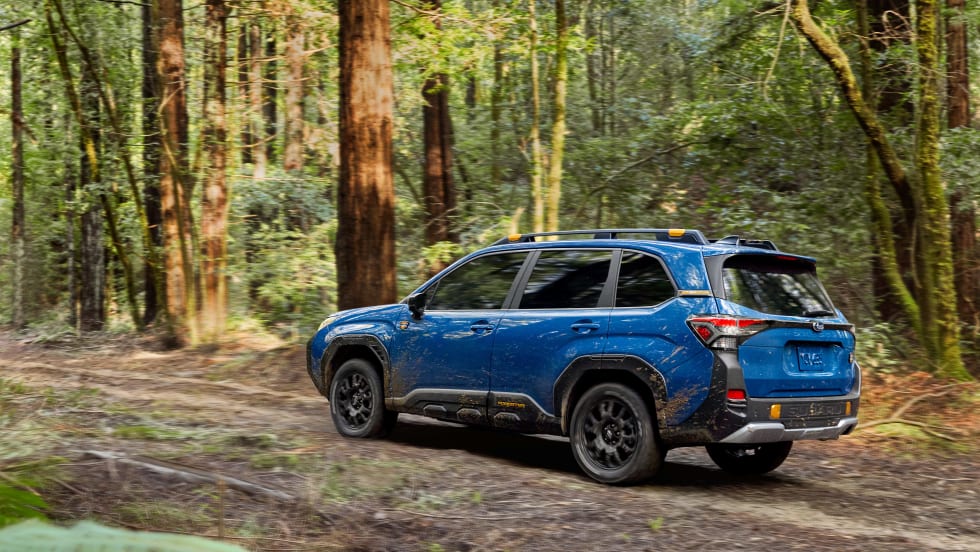
2027 Subaru Forester Adds First Wilderness Hybrid
The 2027 Forester lineup starts at $29,995 and adds a Wilderness Hybrid with 194 combined horsepower and 9.3 inches of ground clearance.
Read More →
EV Realty Names Henrik Holland President as Charging Platform Expands
The former Prologis Mobility and Shell executive will help expand EV Realty’s truck charging business and move its power-first infrastructure model into autonomous vehicle depots and other fleet sectors.
Read More →
Mercedes-Benz Introduces Electric GLC With Up to 350 Miles of Range
The GLC 400 4MATIC Electric features an 800-volt architecture, 330-kW DC fast charging and a 94-kWh battery, along with Mercedes-Benz's new MB.OS operating system.
Read More →
Fleet Has a Talent Pipeline Problem, not a Talent Problem
Where will the next generation of fleet leaders come from, and what does the industry need to do differently to find them?
Read More →