




Employee Sales Produce Positive Metrics and Remarketing Gains for Fleets
Technological Solutions are dramatically improving driver/employee remarketing results. A Driveitaway-LeasePlan USA partnership finds tha clients can sell 40-45 percent of fleet vehicles with gains of $500-$900 per unit.
Sales of used fleet vehicles to drivers and other employees have been a staple of the fleet management industry for many years. The difference today is that technology solutions are substantially improving remarketing results on a quantitative, measurable basis, and a qualitative, employee morale level. Results from a recent Automotive Fleet industry survey and from fleet management company LeasePlan USA’s employee sales partnership with Driveitaway offer insight into the real benefits of employee sales compared to other remarketing channels. AF conducted a survey among the 500 largest light-duty fleets. Key findings for the top fleets by driver sales include:
35 percent of fleet vehicles are sold directly to employees.
The average gain over wholesale prices is $502 per vehicle.
Remarketing proceeds are received in 29 days on average for employee sales compared to an average of 45 days for traditional channels. This 16-day difference translates into an average of $212 in additional depreciation, which doesn’t include additional funds lost to interest and other holding costs. Partnership Produces Results
A partnership between Driveitaway and LeasePlan USA, utilizing Driveitaway’s Internet-based employee sales remarketing tools, has produced similarly impressive results. According to Bryan Calloway, senior vice president of marketing and business development for LeasePlan USA, clients utilizing the driver and employee sale remarketing platform can sell on average 40-45 percent of fleet vehicles through this channel, with gains of $500 to $900 per unit over wholesale, depending on the model. Clients utilizing the platform include AC Nielsen, Chubb Insurance, Phillips, and Ryerson Tull. The Driveitaway/LeasePlan partnership, labeled “reDrive,” allows clients using the program to shave several weeks off the back end, translating into greater efficiency and tangible financial results. For example, it typically takes six to eight weeks from the time a driver orders a replacement car until the current fleet car is remarketed using traditional remarketing methods. Fleet units sold through employee sales can take about two weeks from order to resale -a substantial difference. Developing a Partnership
Driveitaway approached LeasePlan two years ago on behalf of major clients looking for improvements in remarketing results following the dismal used-car market of the late 1990s and the post-9/11 period. The two partners were able to integrate the Driveitaway technology platform with LeasePlan’s database of complete vehicle histories and inspection reports, including vehicle photographs. For LeasePlan clients using the system, when the driver orders a new vehicle, an e-mail is generated informing the driver that he or she has 14 days to purchase the fleet vehicle. Pricing is set at a rate 10-15 percent over wholesale values based on National Automobile Dealers Association AuctionNet prices. Following the two-week period, clients usually expand the sale to all company employees, creating a larger sales market. LeasePlan USA recently developed its reDrive program to enhance employee sales, helping clients achieve an additional 12-15 percent employee sales beyond the percentage sold directly to drivers. Improving Employee Loyalty
One client has asked LeasePlan USA and Driveitaway to create a bidding environment for employee sales, similar to an eBay format. All other clients prefer the set pricing method. Fleet clients tell LeasePlan that their drivers and other employees love the system and plan on purchasing future vehicles this way. Calloway says “it has not only been beneficial as an efficient, upstream remarketing channel, but also helps the company generate more employee enthusiasm and loyalty. These employees define the program as a tangible benefit they receive and enjoy the 24/7 online vehicle shopping experience.” For reDrive’s next generation, LeasePlan is developing an expanded sales system to include additional LeasePlan clients. For example, a company can offer used fleet units first to the vehicle driver, then to its own employees, and, finally, if it chooses, to other LeasePlan clients, broadening the retail buying audience to include thousands of employees at other companies. Beyond that goal, LeasePlan is exploring ways to expand sales to key dealers and wholesale dealer networks, further growing the marketplace for client employee sales. Standard Records Will be Reality
Calloway looks forward to the day when the industry adopts a uniform vehicle condition report, which would make the business of employee sales more efficient and manageable. Although standardized reports have long been pursued in the remarketing community, Calloway is confident that technology will eventually force the issue. The growth of employee sales and online remarketing will produce a demand for uniform condition reporting that will finally produce the change. Another enhancement to the employee sales remarketing services offered by LeasePlan will be the rollout this year of an extended warranty program. Clients using the employee sales program can offer a three-month, 3,000-mile extended warranty with every vehicle. The new warranty offers fleet managers a better “comfort level” with employee sales, eliminating some of the hassle of functioning as a used-vehicle sales force. Jon LeSage is a freelance writer who regularly covers fleet management and other automotive topics.
More Operations
How to Manage Conflict for Your Fleet Operations
Conflict management is becoming a core leadership skill. Here are five strategies fleet leaders should know.
Read More →
Turning Connected Vehicle Data Into Decisions That Matter
Fleet leaders have more data than ever, but turning that data into clear, actionable decisions remains a challenge. This white paper shows how leading organizations are using connected vehicle data to improve safety, reduce costs, and optimize fleet performance. Learn how to turn insight into action across your fleet.
Read More →
Cameras, Safety and Insurance: From Reactive Claims to Real-time Prevention
Commercial auto remains one of the most challenging and costly lines of coverage for fleet operators and insurers alike. Learn more about how to effectively address these issues from Onur Aksan, Enterprise Business Development Executive, Geotab.
Read More →

Are You Tracking Your Fleet's True Total Cost of Ownership?
Bobit Business Media surveyed 190 fleet professionals and found that while most fleets are tracking costs, fragmented systems and data gaps are keeping true TCO visibility out of reach. With rising pressure to control spend in an increasingly volatile environment, the gap between what fleets think they know and what the data actually shows is wider than you might expect. See how your peers are managing costs today and where the industry still has room to improve.
Read More →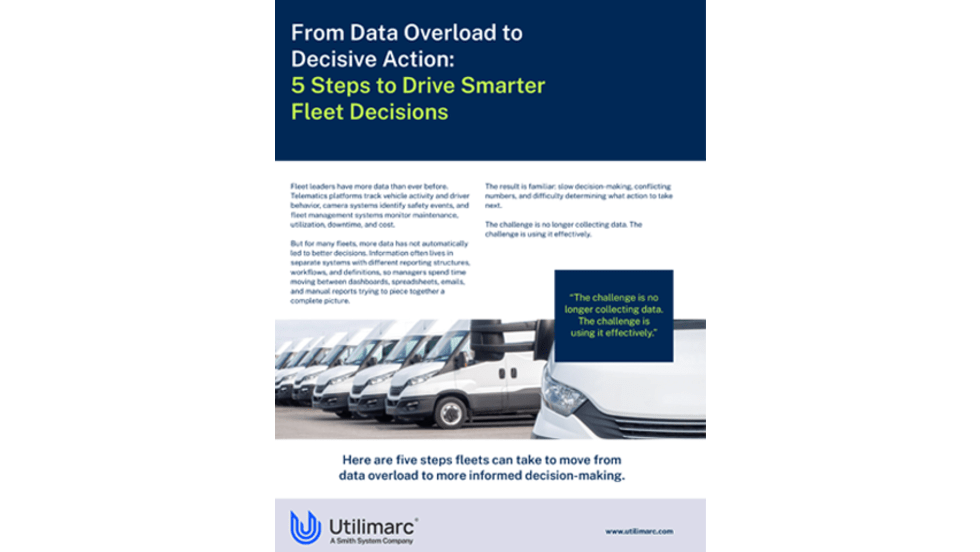
Turn Fleet Data Into Smarter Decisions
Fleet leaders have access to more operational data than ever, but disconnected systems and unclear metrics often slow decision-making instead of improving it. This whitepaper outlines five practical steps fleets can take to transform fragmented data into actionable insights that improve planning, safety, utilization, and long-term performance.
Read More →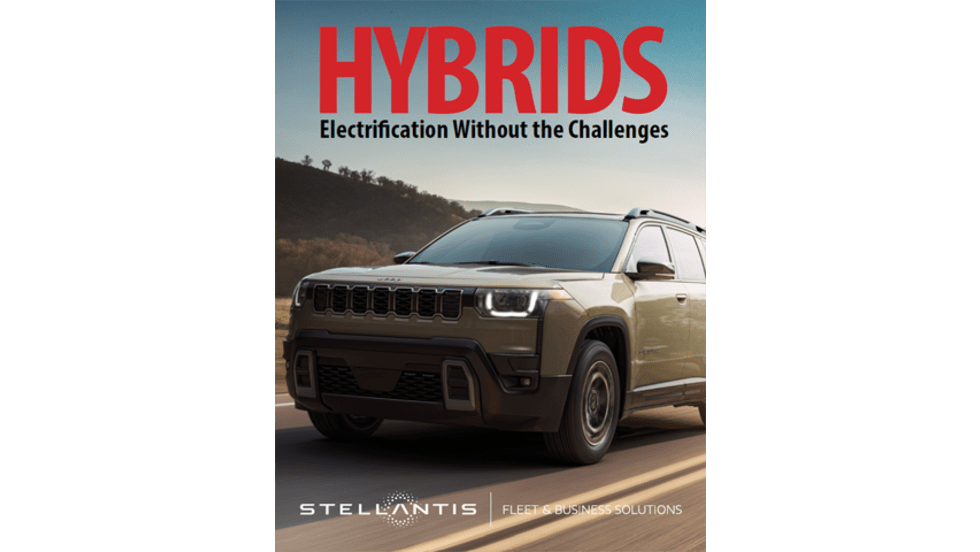
Hybrids: Electrification Without the Challenges
For fleet managers, fuel is one of the biggest line items in the budget — and it's one hybrids can shrink without changing how your people work. Download the eBook to see the numbers, understand the technology, and get a step-by-step guide to making the switch.
Read More →
How NOV Uses Telematics to Improve Fleet Safety Across 160 Locations
James Victory of NOV discusses how the company manages fleet safety, maintenance, and telematics across more than 150 locations supporting oilfield operations throughout the U.S.
Read More →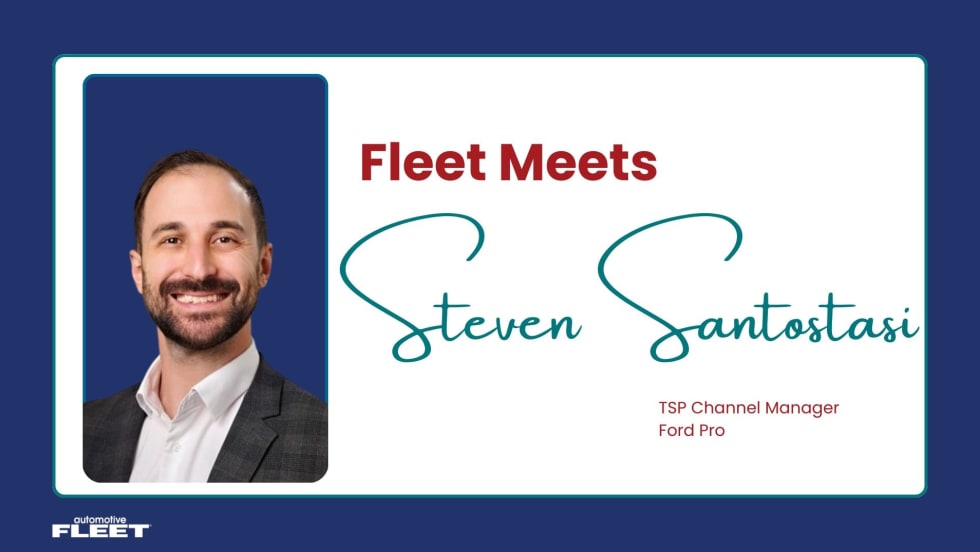
Fleet Meets: Steven Santostasi
This edition of the Fleet Meets series features Steven Santostasi, the current TSP channel manager for Ford Pro.
Read More →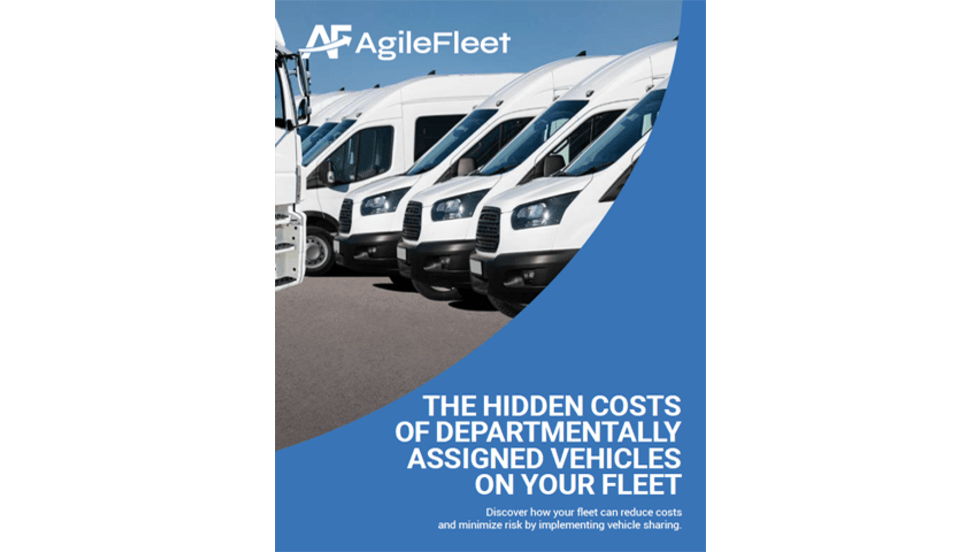
Why Fleet Managers Are Replacing Departmental Vehicles with Shared Motor Pools
Departmentally assigned vehicles often create hidden costs through underutilization, poor visibility, and increased administrative burden. This white paper explores how shared motor pool strategies help fleets reduce costs, improve accountability, and optimize vehicle utilization.
Read More →
Soap Box Derby Challenge: Assembling the Crew
Meet Gabriel, Matthew, and Angel — the team helping bring this soap box derby build to life.
Read More →