




Employee Reimbursement is Counter-Productive to Corporate Green Initiatives
Professional fleet management helps the federal government achieve its environmental objective by operating millions of well-maintained, fuel-efficient vehicles.


Professional fleet management helps the federal government achieve its environmental objective by operating millions of well-maintained, fuel-efficient vehicles. The late-model company-provided vehicles on the road today help the government reduce tailpipe emission levels and conserve gasoline. Consider the alternative. Without professional fleet management and company-provided vehicles, the alternative would be driver reimbursement with employees, on average, driving older, less well-maintained vehicles or large SUVs with lower fuel economy. Employee-reimbursed vehicles would emit greater emissions and consume more fuel than the alternative company-provided vehicles.
There are other ways that company-provided fleets contribute to emission reductions and conserved fuel. Fleets routinely restrict the grade of fuel drivers can purchase. For instance, the majority of fleets have policies or employ fuel cards that restrict the purchase of premium-grade fuel. Many consumers are misinformed believing their vehicles require premium-grade gasoline to operate effectively. On the contrary, the overwhelming majority of domestically manufactured vehicles are designed to operate at their optimum using unleaded gasoline. From an environmental perspective, many people may not realize that the use of premium-grade fuel actually contributes 30 percent more greenhouse emissions than regular unleaded gasoline. The more environmental groups learn about well-maintained company-provided vehicles and how fleets control fuel purchasing habits, the more they realize how very important company-provided vehicles are in helping our nation meets its environ-mental objectives. In the final analysis, the absence of professional fleet management and company-provided vehicles would be detrimental to our country’s environment.
Let me know what you think. mike.antich@bobit.com
More Operations
What Fleet Managers Really Want From Vendors
From customer service frustrations and technology breakdowns to RFQs, change management, and the growing impact of turnover across the industry, this conversation pulls back the curtain on the real operational challenges fleet managers are navigating every day.
Read More →
Fleet Safety Masterclass: Industry Leaders on Storytelling, Strategy & Innovation
In this special masterclass episode, industry leaders break down what it really takes to build safer fleets in today’s increasingly distracted and data-driven world.
Read More →
Integrating Legacy Fleet Systems and Historical Data
In this episode, we bring together fleet and technology leaders to unpack the realities of data integration, system migrations, and the evolving role of AI in fleet management.
Read More →

From Resistance to Results: Change Management Strategies for Fleets
From new technologies and safety programs to evolving regulations, fleets are under constant pressure to adapt. But as Dr. Betz explains, success isn’t about the system you implement—it’s about whether your people actually use it.
Read More →
Where We're Headed: A Practical Look at AI in Fleet
Discover how AI is actually being deployed in fleets, not just marketed, including practical use cases and emerging risks.
Read More →
How Coca-Cola United Protects Its Fleet from Growing Legal Risk
Growing legal exposure can put fleets at risk. Here's one company's approach.
Read More →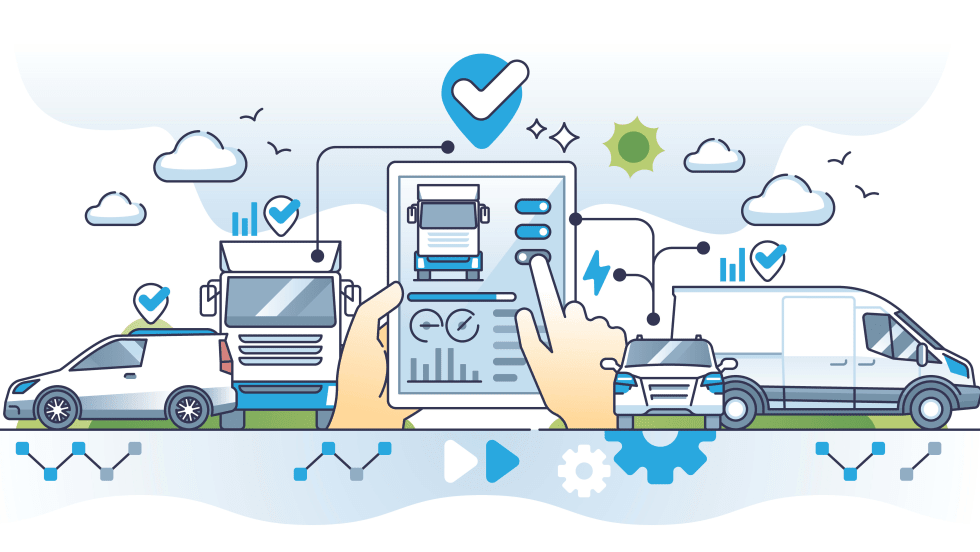
Fleet Managers Think They Understand Their Costs. The Data Says Otherwise.
Most fleet managers say they have a strong handle on their costs, but new research from Bobit Business Media tells a different story. A 2026 survey of 190 fleet professionals reveals a widespread "confidence gap" where fragmented systems, disconnected data, and delayed reporting are leaving major blind spots hidden beneath the surface. Find out what the data actually shows.
Read More →
Cameras, Safety and Insurance: From Reactive Claims to Real-Time Prevention (Part 2 of 2)
Part Two: Commercial auto remains one of the most challenging and costly lines of coverage for fleet operators and insurers alike. Continue learning more about how to effectively address these issues from Onur Aksan, Enterprise Business Development Executive, Geotab
Read More →
New Trucks, AI & Summer Downtime | AF News Recap
From new truck updates to AI-powered driver coaching and summer maintenance tips, this week's fleet headlines are all about keeping things moving.
Read More →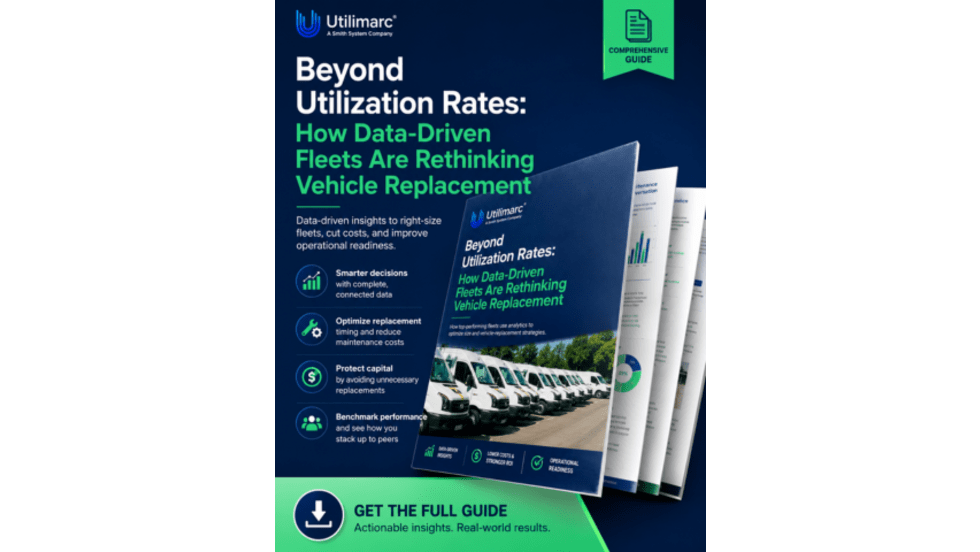
Beyond Utilization Rates: Smarter Fleet Replacement Decisions
Vehicle replacement decisions affect every aspect of fleet performance, from operating costs to asset availability. This guide explores how fleet leaders use integrated data, benchmarking, and lifecycle analytics to determine the right fleet size and optimize replacement timing with greater confidence.
Read More →