




Editor's Page: Deflating the Airbag
Don't look now, but unless some thing is done immediately you are probably going to be paying an additional $200 for your fleet vehicle next year.
Don't look now, but unless some thing is done immediately you are probably going to be paying an additional $200for your fleet vehicle next year. Such is the word from DOT's Senator John Volpe who is pushing hard for a Federal Statute which would make the air bag mandatory equipment in all new cars after Jan. 1, 1972.
Just in case you haven't heard, the air bag is the passive safety restraint device which is to save the 80%of Americans who from either design or ignorance are riding around sitting on their seat-belts with their shoulder-belts tucked neatly in place overhead. It is reported to activate, inflate, and deflate within one-half second when a vehicle suffers a front-end collision equal to a barrier crash of eight mph or more. It is activated by either nitrogen or a dry smokeless powder. Like seat-belts and shoulder-belts before it, Washington assures us that it will save countless lives.
Aside from the fact that the biggest percentage of auto fatalities is caused by occupants being thrown from a car involved in a crash while the air bag is designed to reduce death and injuries from head-on collisions, there are a number of dangers in this passive restraint system. Its developers assure us that it is .99% foolproof, that the noise it generates on being activated will not effect the future hearing of an occupant of a car in which it is detonated, that the force of the bag hitting the head and chest will not injure the normal person, and that it will be fail-safe for years.
But the leading safety engineers for Detroit's big four have voiced serious doubts and reservations about the value and practicality of the device when interview by us recently. And they are worried about how vulnerable the air bag will make them from a products liability standpoint.
Moreover the public is justified in knowing what happens if it is activated accidently while traveling down a highway at 60mph, what effect it will have on the hearing of those over 35years old, what injuries it might cause for those with heart-trouble or other congenital chest-located diseases, what happens when a person smoking a pipe or cigar is struck by the bag (not to mention a person with glasses), how the tank of nitrogen (under 3,500 pounds-per-square-inch pressure) hidden from the easy reach of fun- loving American youths, and lastly, how breathing will be effected when four bags of non-life supporting nitrogen fill a closed car.
Fleet Managers will be interested in all these questions plus those surrounding the device's initial and later costs. Originally touted as an additional $50item, it now appears that this is the cost of only one bag. So that means an additional $200per car for the four bags now being pressed for by our Washington protectors. Furthermore, once the bags have been activated, they will have to be replaced entirely. So look forward to adding an additional $200to every collision estimate, and watch the insurance rates soar. And who is going to be responsible for inspecting the devices from time to time to see that they are in order. Does the fleet manager add yet another figure to his "runnings costs?"
When confronted with these questions, the proponents ask, ''What are the alternatives?" And the only answer that makes sense is "Free dom." Those that want them despitetheir inherent dangers and short comings, should be allowed to buy them. But those who do not, and who feel that safety (like morality) cannot be legislated, should stand up now and be counted with yours truly.
More Operations
How to Manage Conflict for Your Fleet Operations
Conflict management is becoming a core leadership skill. Here are five strategies fleet leaders should know.
Read More →
Turning Connected Vehicle Data Into Decisions That Matter
Fleet leaders have more data than ever, but turning that data into clear, actionable decisions remains a challenge. This white paper shows how leading organizations are using connected vehicle data to improve safety, reduce costs, and optimize fleet performance. Learn how to turn insight into action across your fleet.
Read More →
Cameras, Safety and Insurance: From Reactive Claims to Real-time Prevention
Commercial auto remains one of the most challenging and costly lines of coverage for fleet operators and insurers alike. Learn more about how to effectively address these issues from Onur Aksan, Enterprise Business Development Executive, Geotab.
Read More →

Are You Tracking Your Fleet's True Total Cost of Ownership?
Bobit Business Media surveyed 190 fleet professionals and found that while most fleets are tracking costs, fragmented systems and data gaps are keeping true TCO visibility out of reach. With rising pressure to control spend in an increasingly volatile environment, the gap between what fleets think they know and what the data actually shows is wider than you might expect. See how your peers are managing costs today and where the industry still has room to improve.
Read More →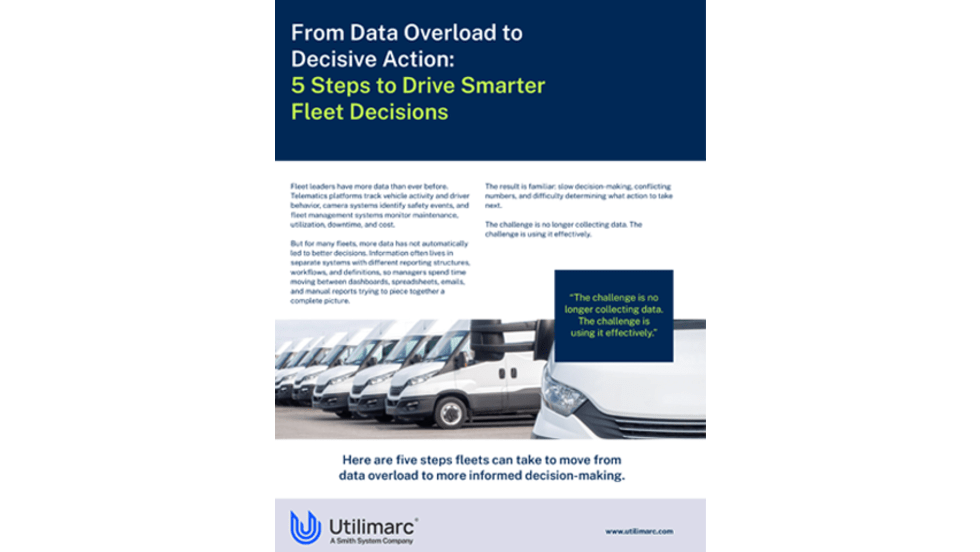
Turn Fleet Data Into Smarter Decisions
Fleet leaders have access to more operational data than ever, but disconnected systems and unclear metrics often slow decision-making instead of improving it. This whitepaper outlines five practical steps fleets can take to transform fragmented data into actionable insights that improve planning, safety, utilization, and long-term performance.
Read More →
Hybrids: Electrification Without the Challenges
For fleet managers, fuel is one of the biggest line items in the budget — and it's one hybrids can shrink without changing how your people work. Download the eBook to see the numbers, understand the technology, and get a step-by-step guide to making the switch.
Read More →
How NOV Uses Telematics to Improve Fleet Safety Across 160 Locations
James Victory of NOV discusses how the company manages fleet safety, maintenance, and telematics across more than 150 locations supporting oilfield operations throughout the U.S.
Read More →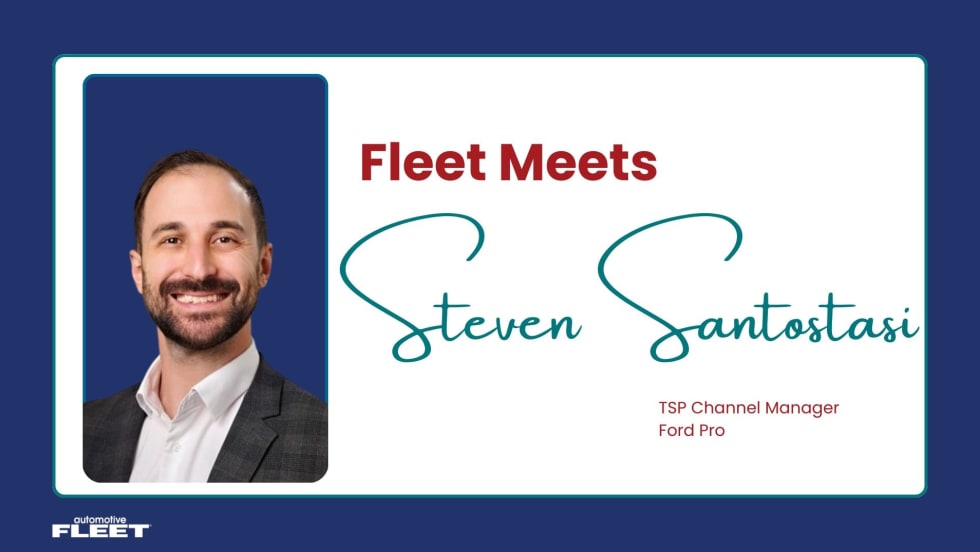
Fleet Meets: Steven Santostasi
This edition of the Fleet Meets series features Steven Santostasi, the current TSP channel manager for Ford Pro.
Read More →
Why Fleet Managers Are Replacing Departmental Vehicles with Shared Motor Pools
Departmentally assigned vehicles often create hidden costs through underutilization, poor visibility, and increased administrative burden. This white paper explores how shared motor pool strategies help fleets reduce costs, improve accountability, and optimize vehicle utilization.
Read More →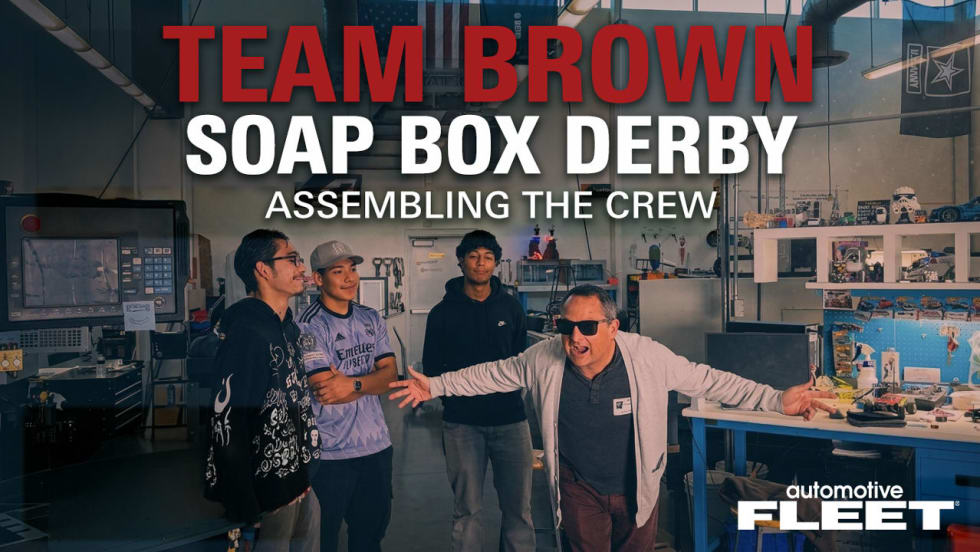
Soap Box Derby Challenge: Assembling the Crew
Meet Gabriel, Matthew, and Angel — the team helping bring this soap box derby build to life.
Read More →